
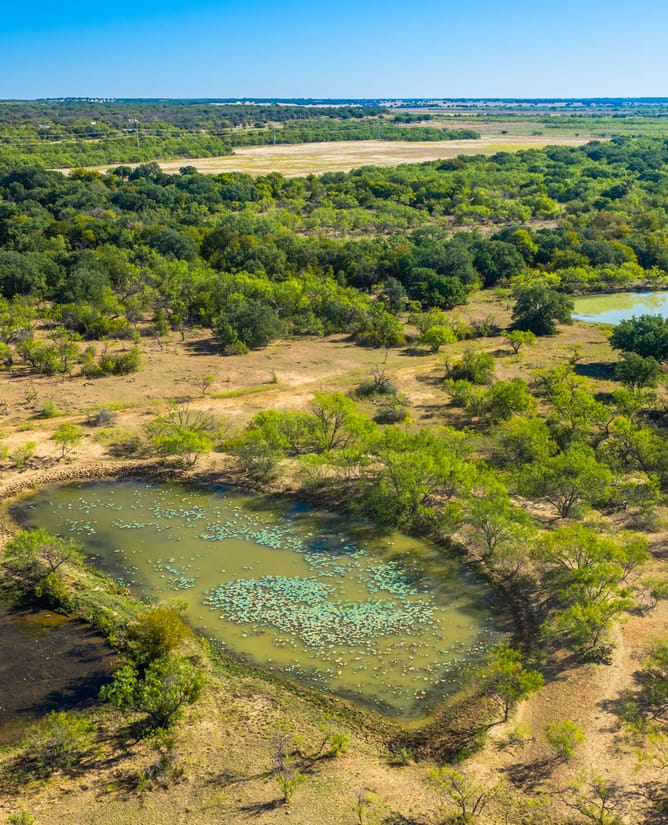
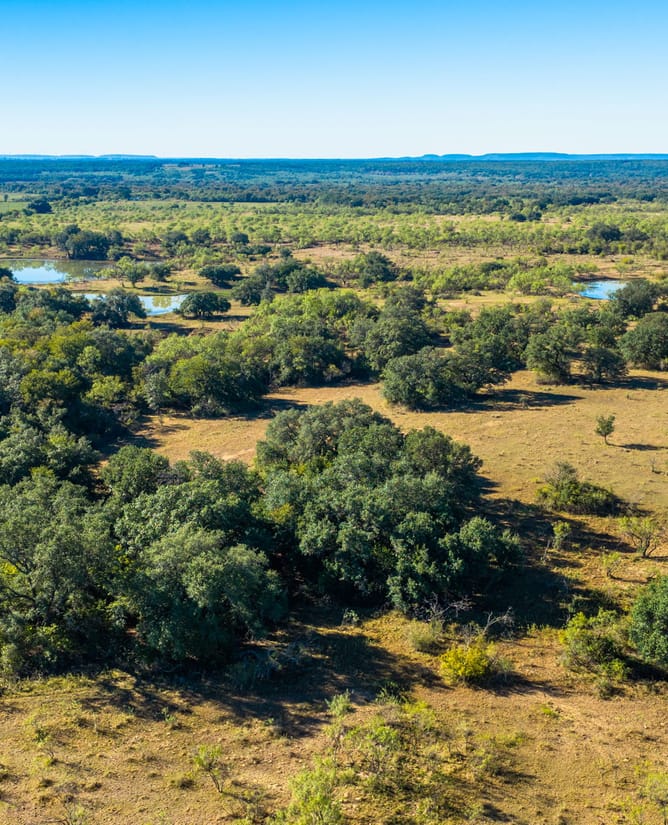
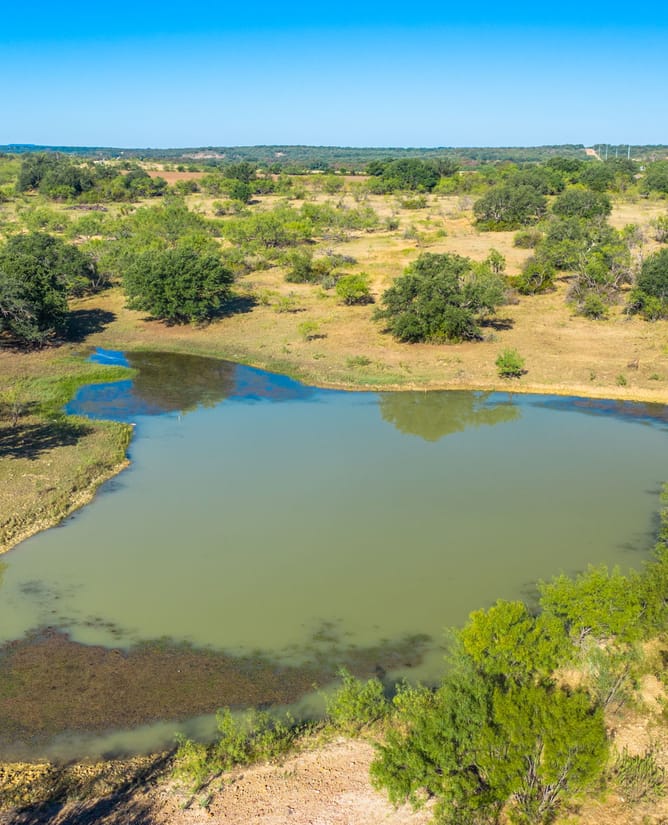

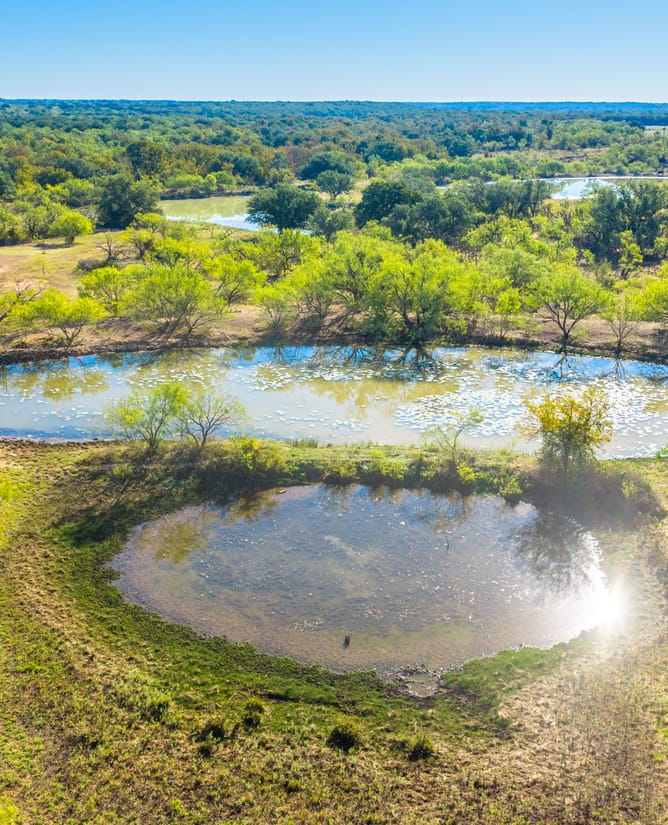
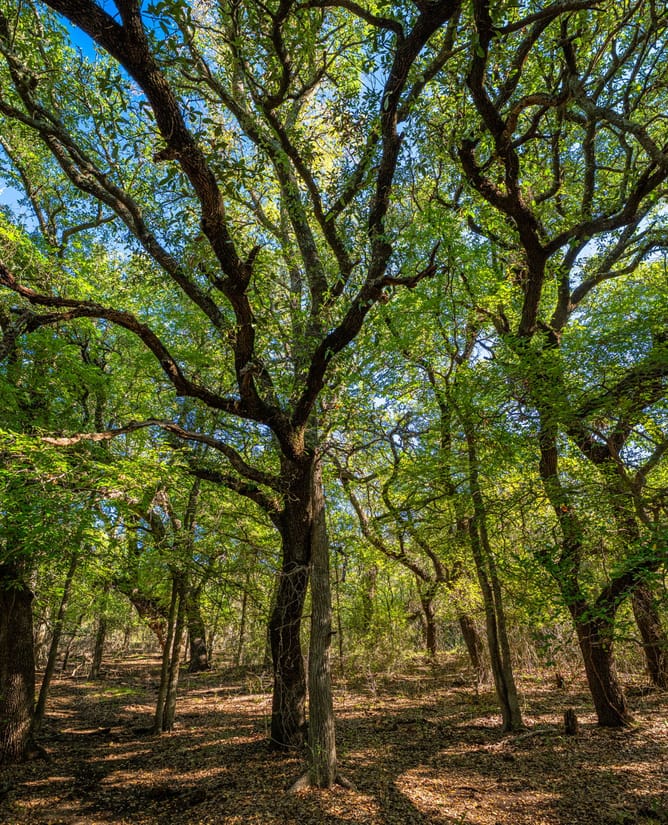
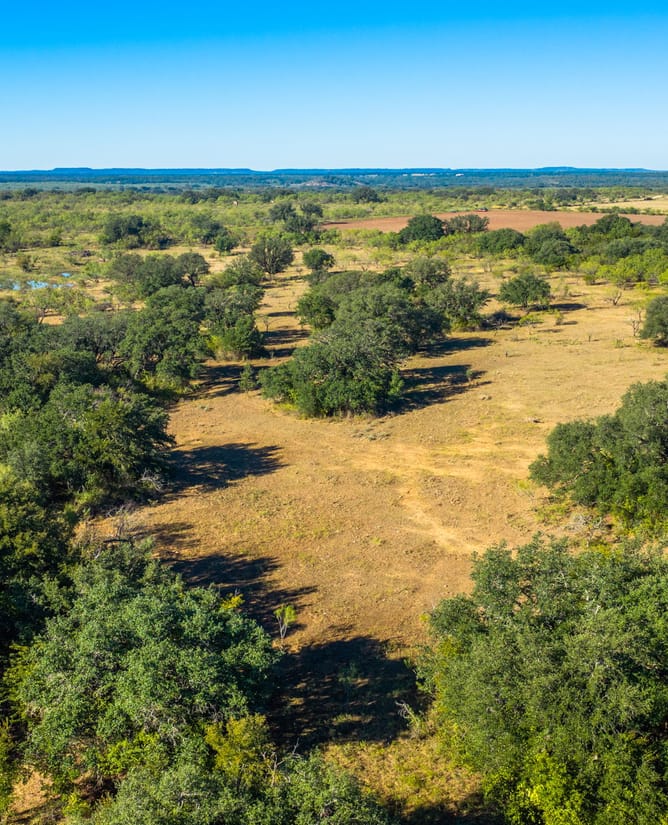
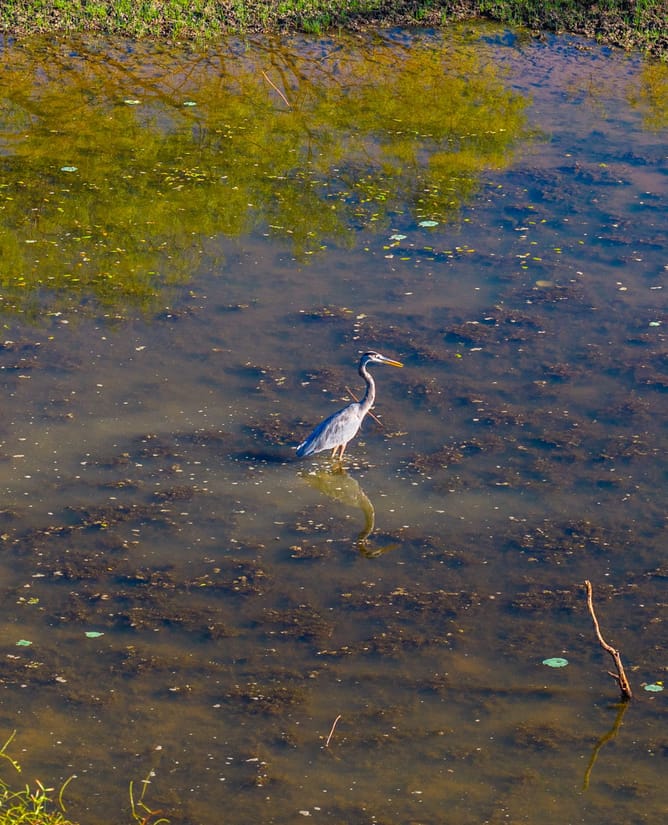
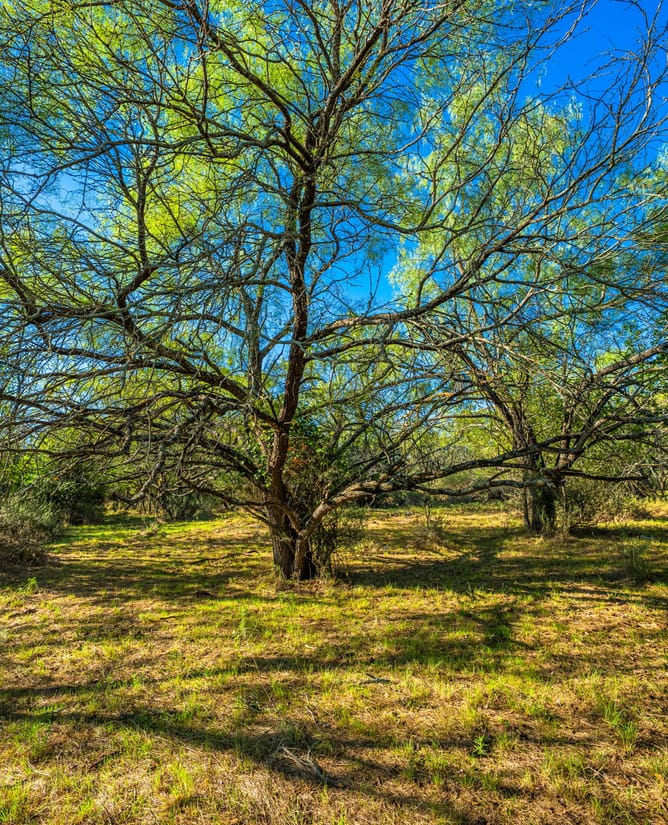
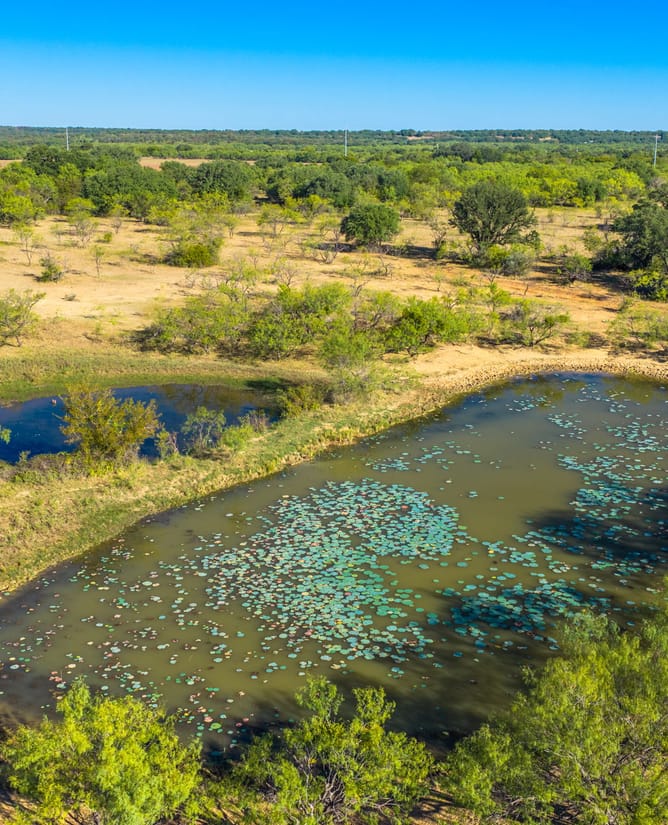
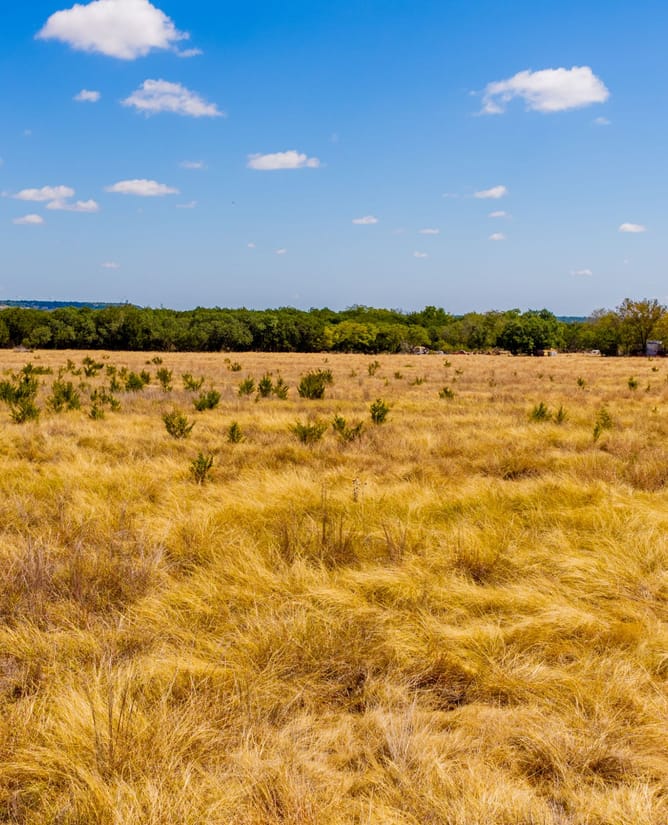
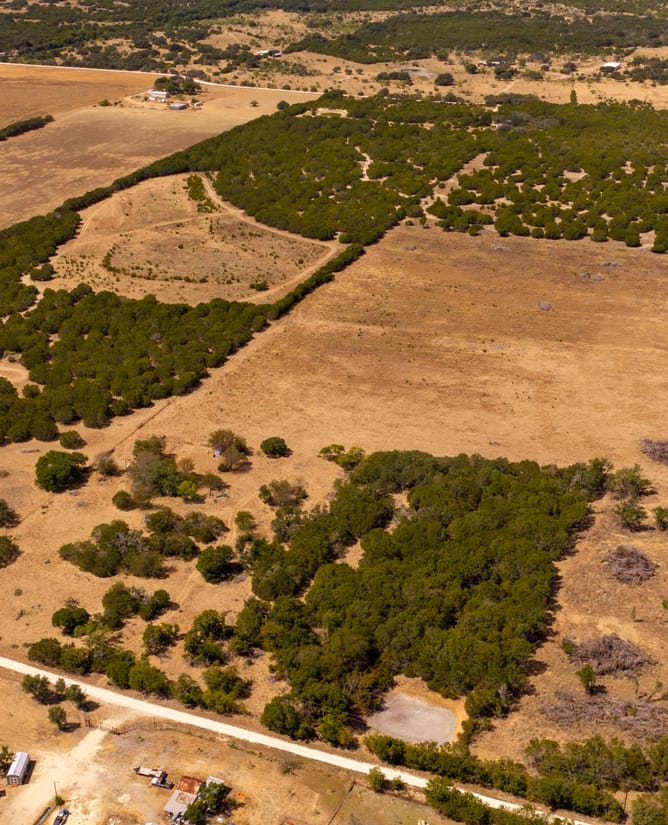
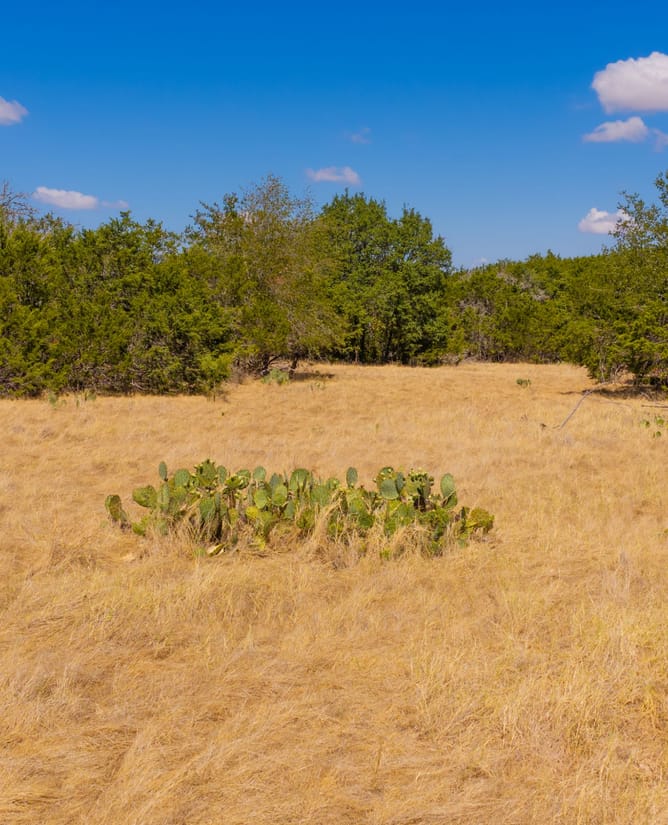
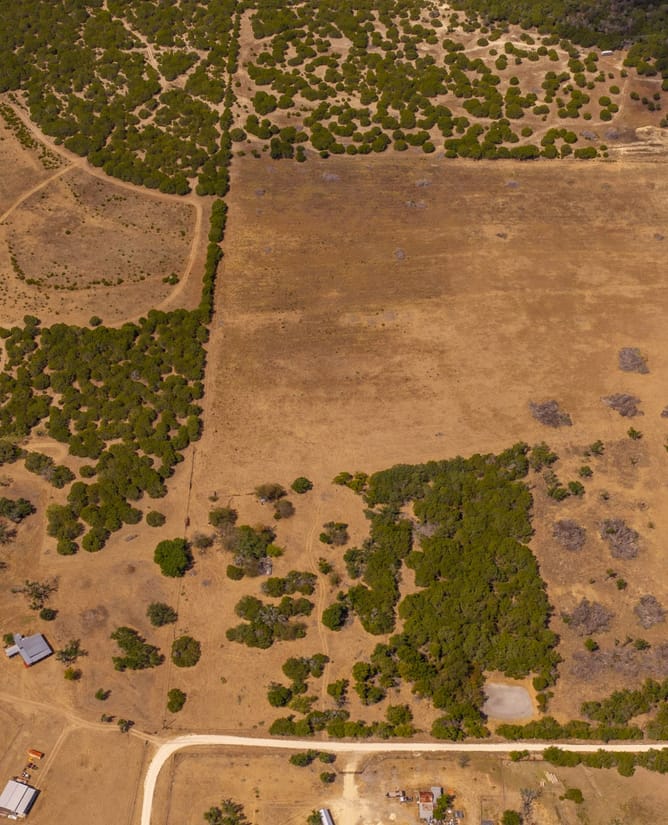
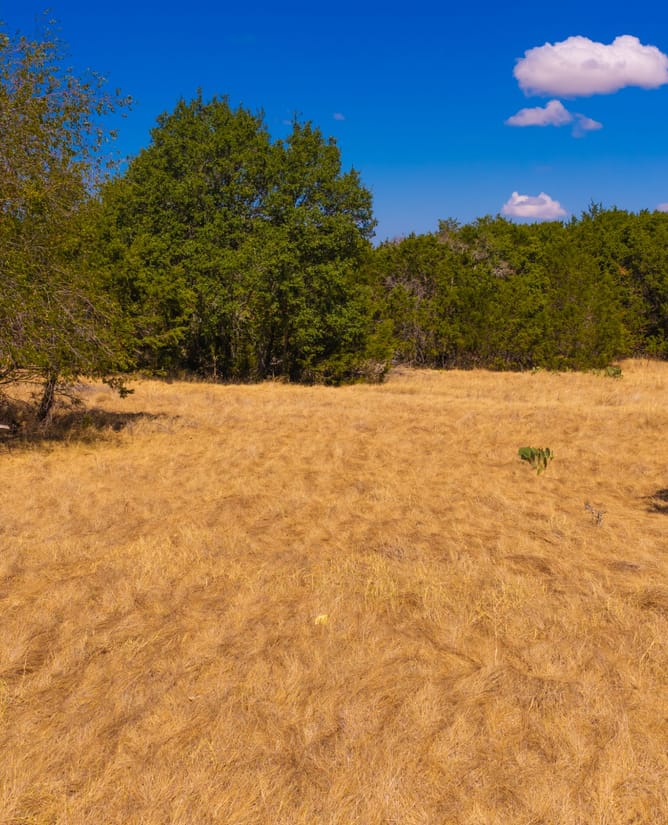
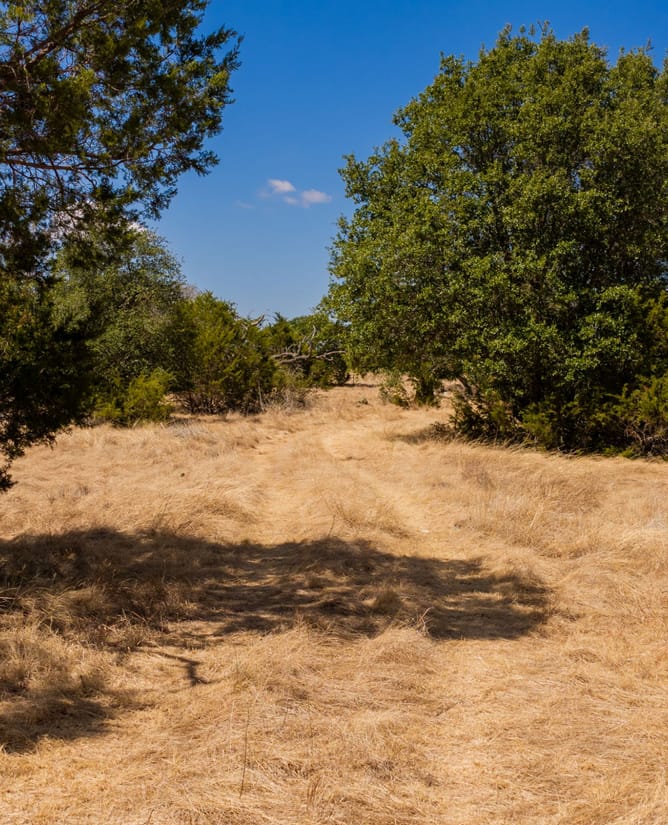
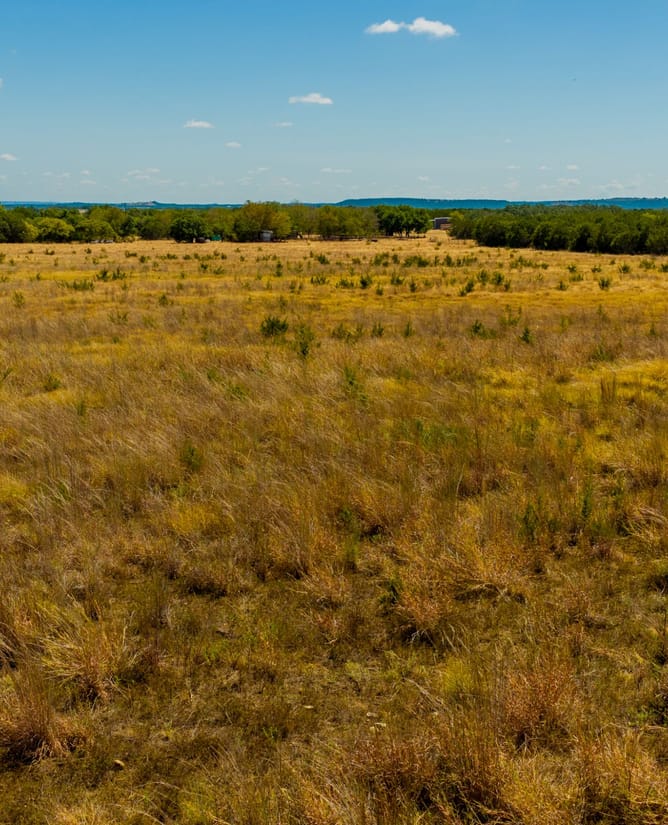
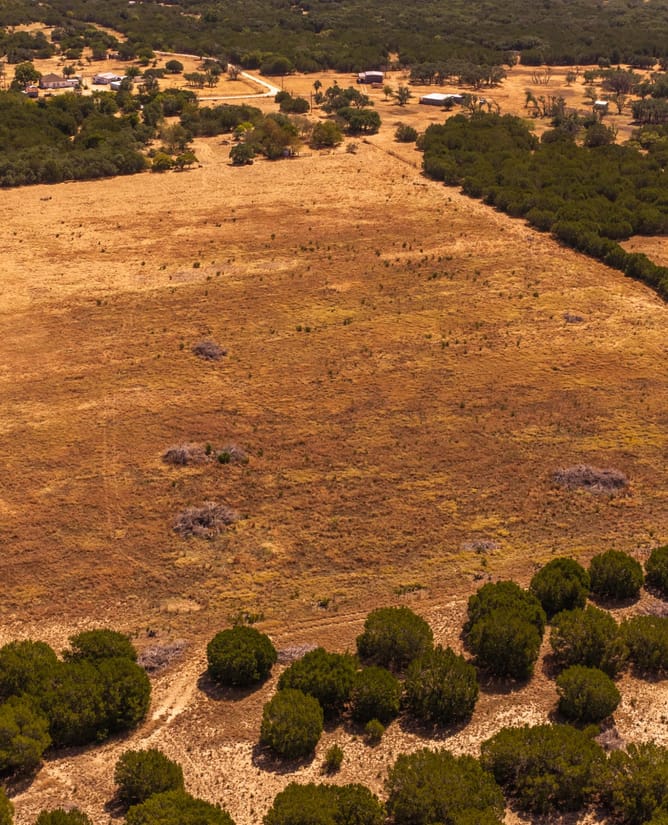
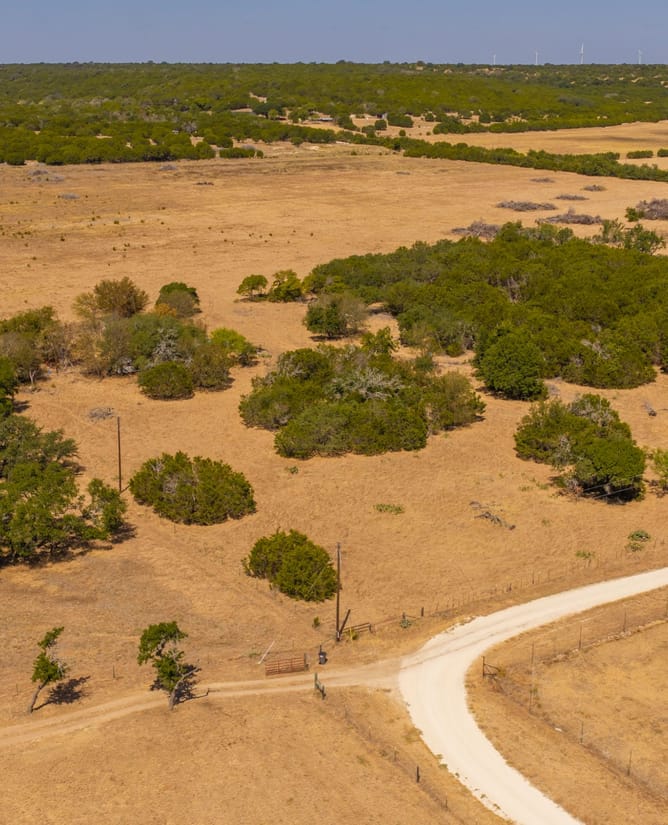
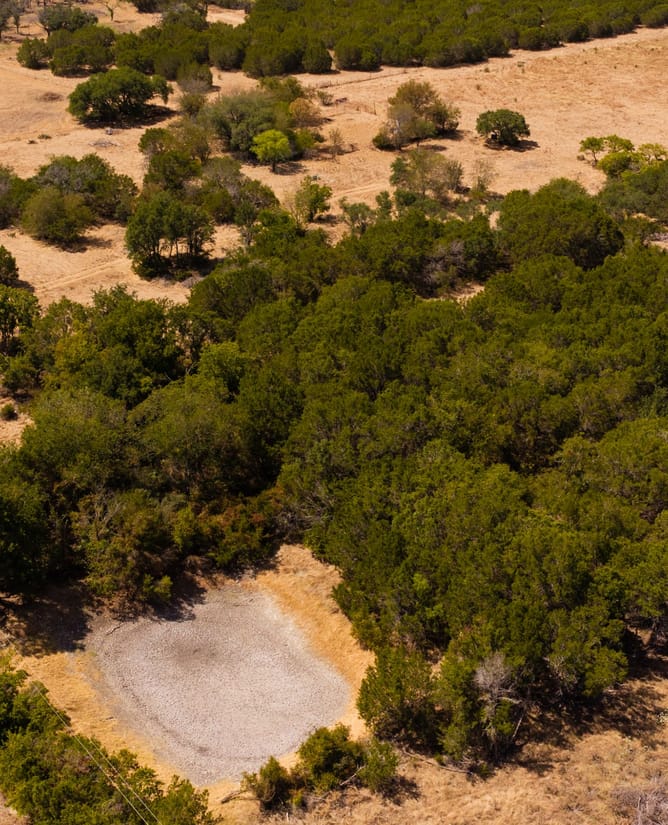
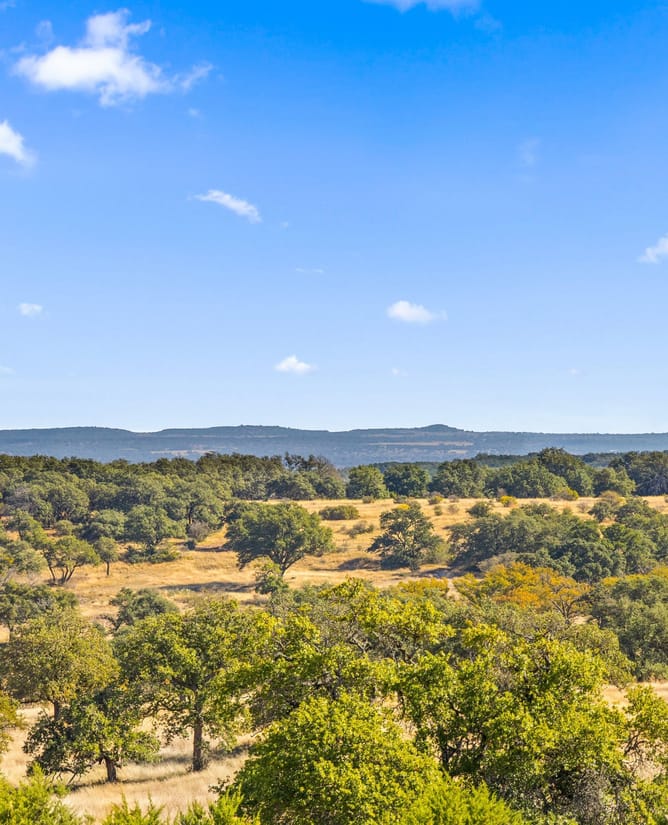
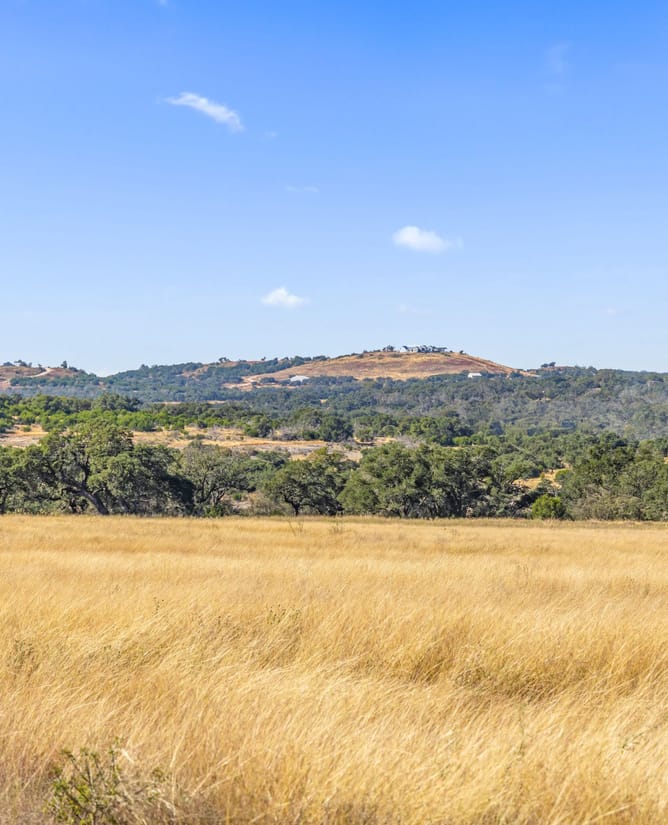
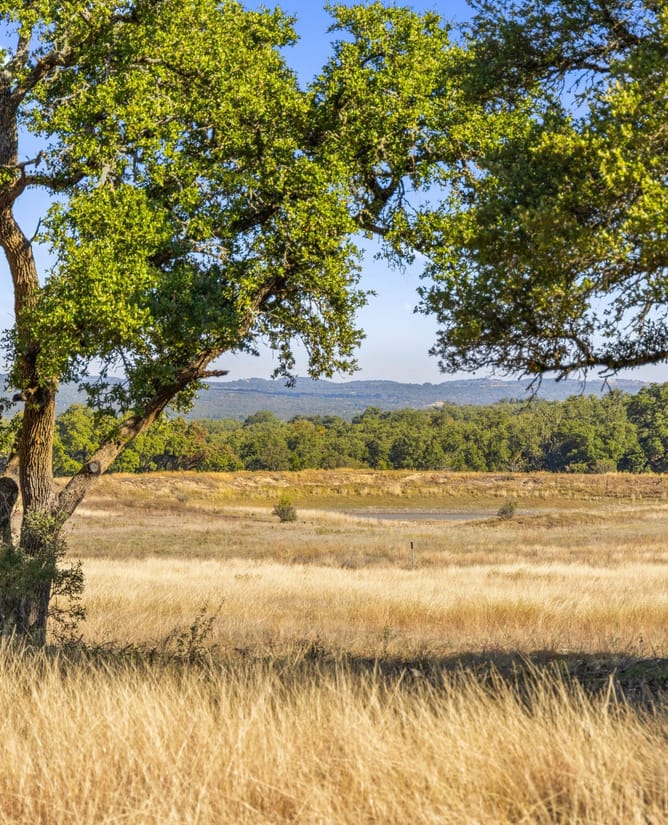
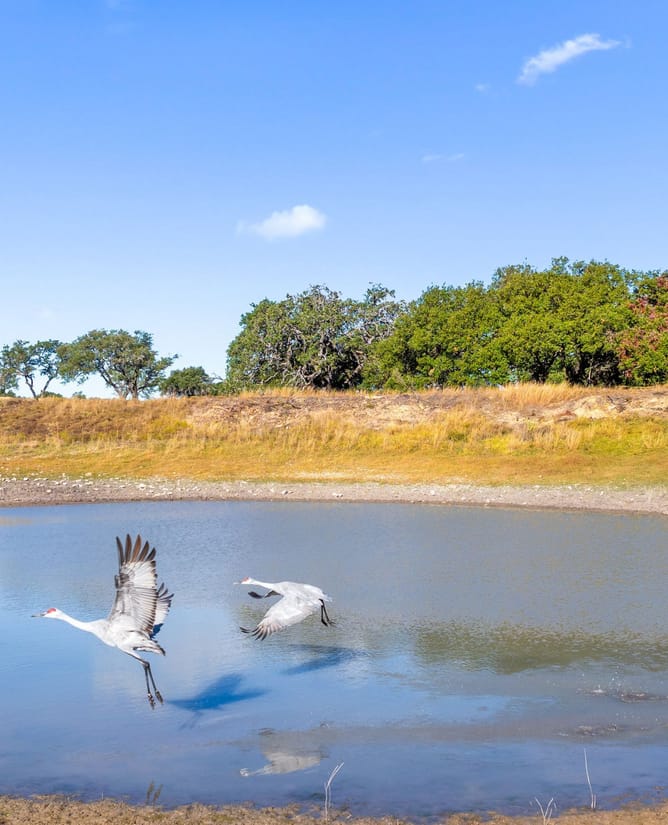
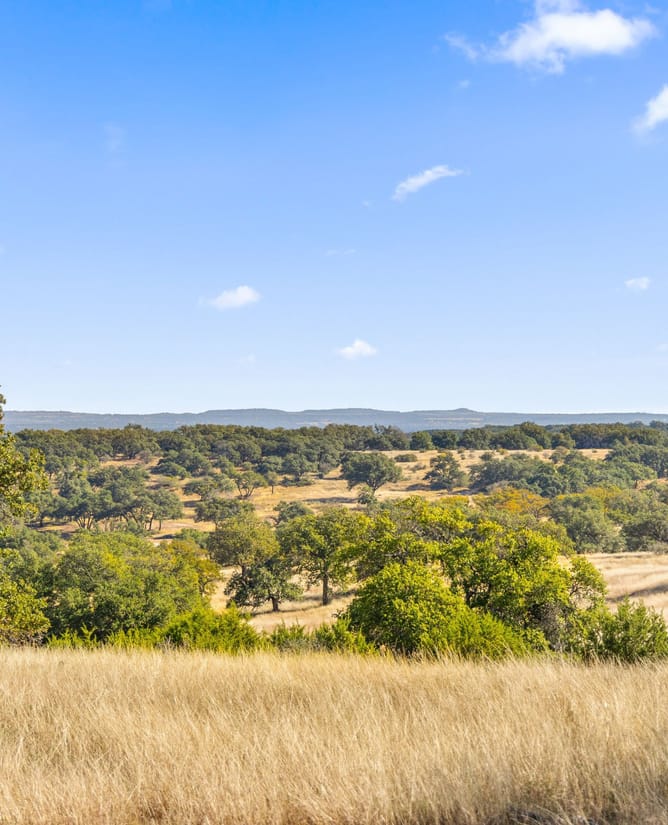
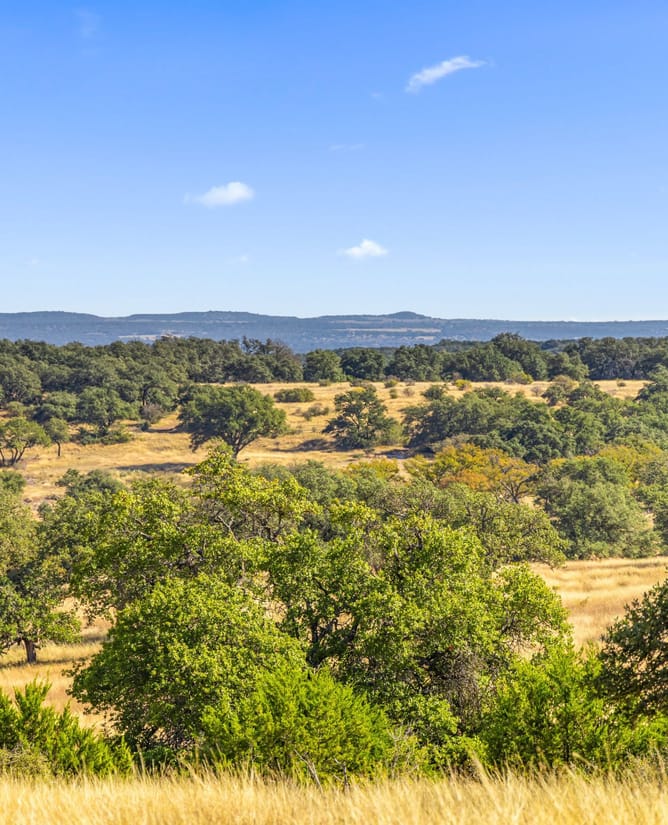
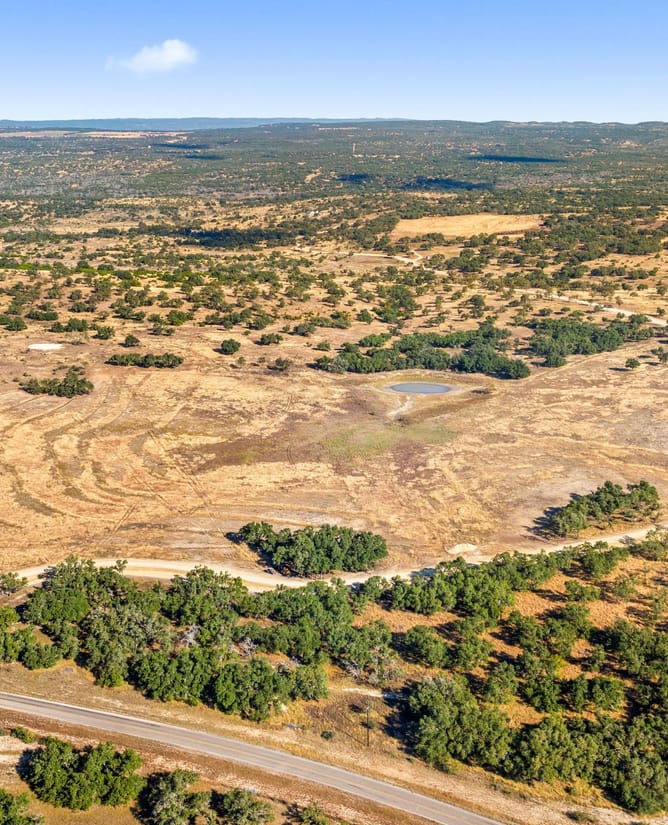
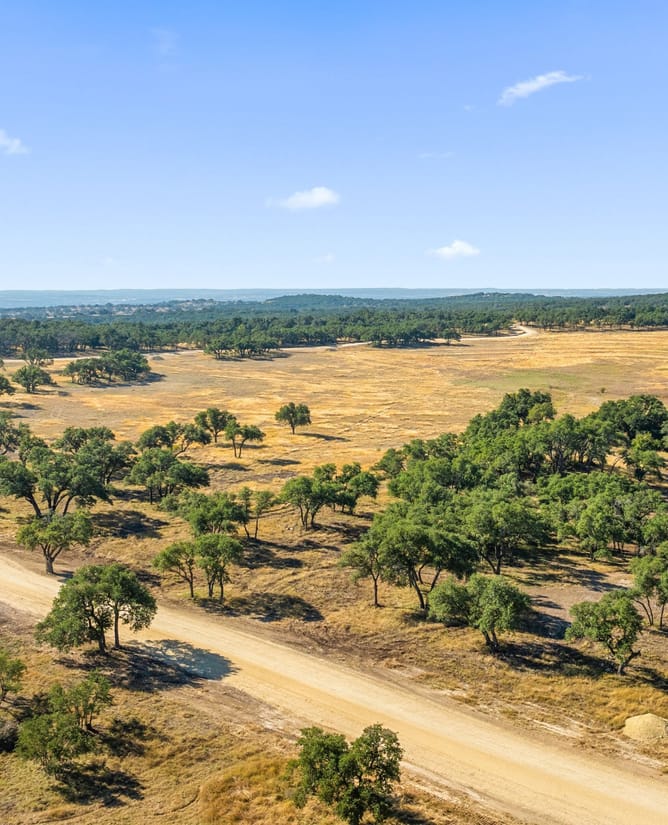
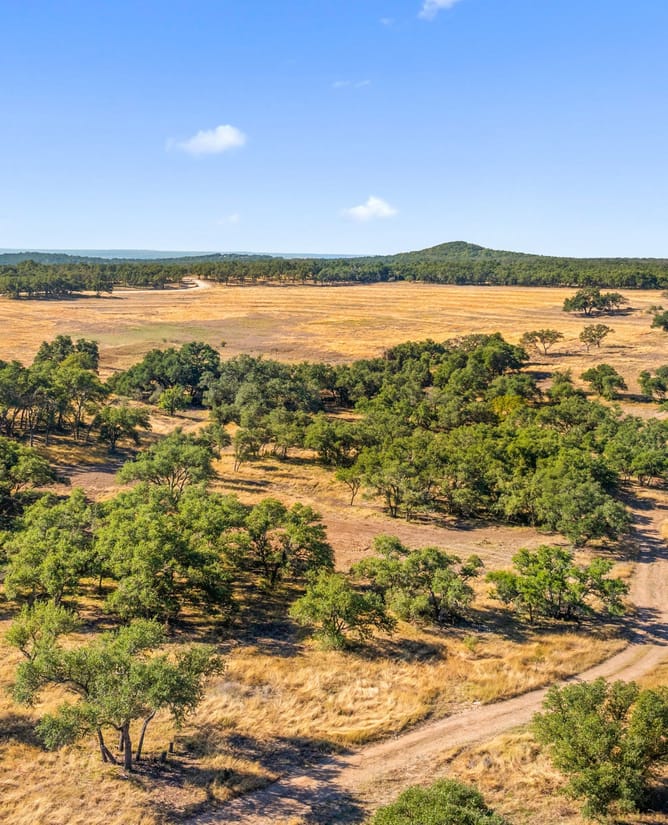
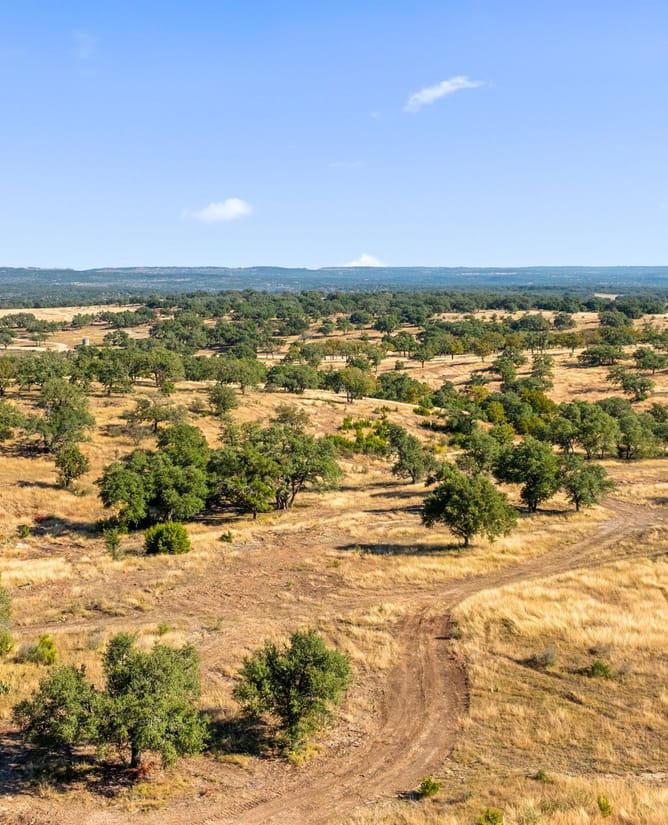
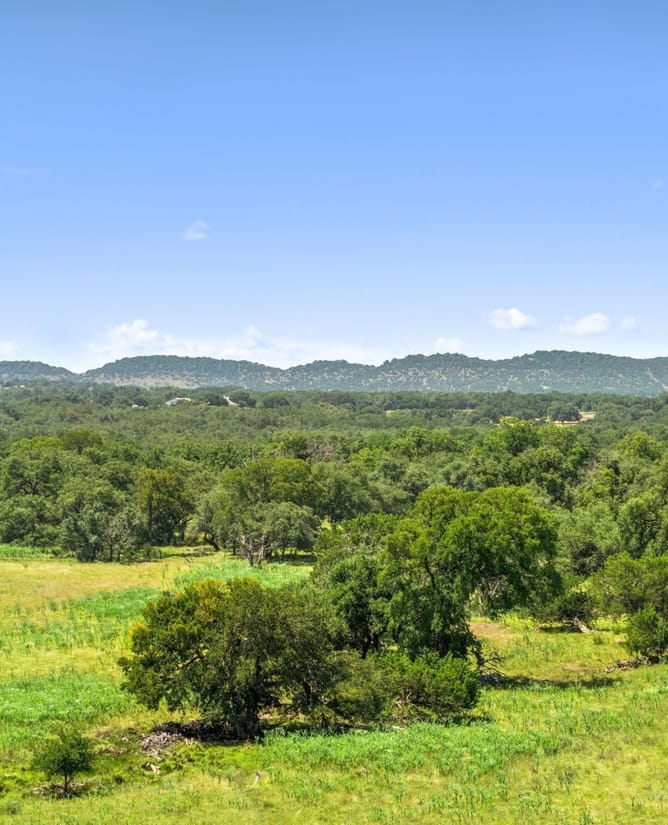
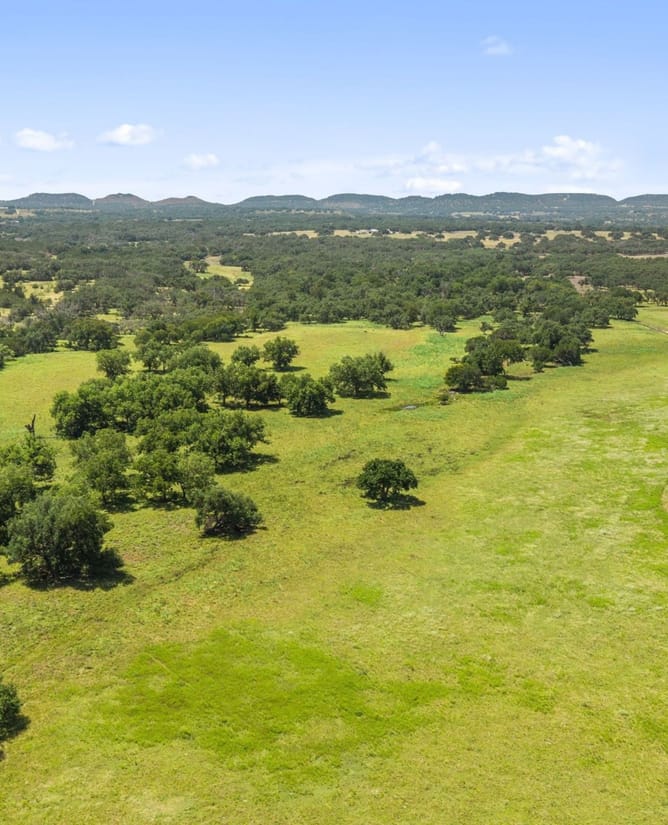
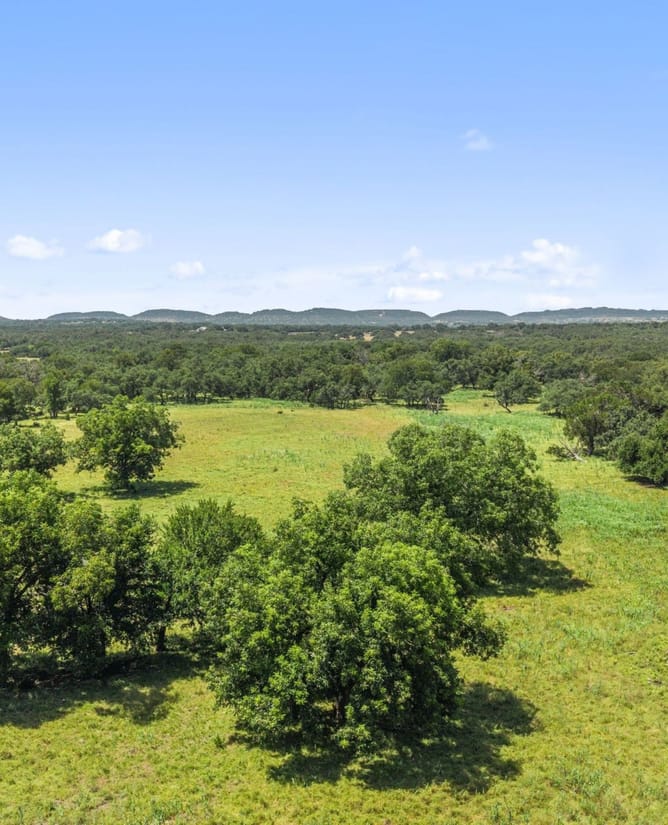
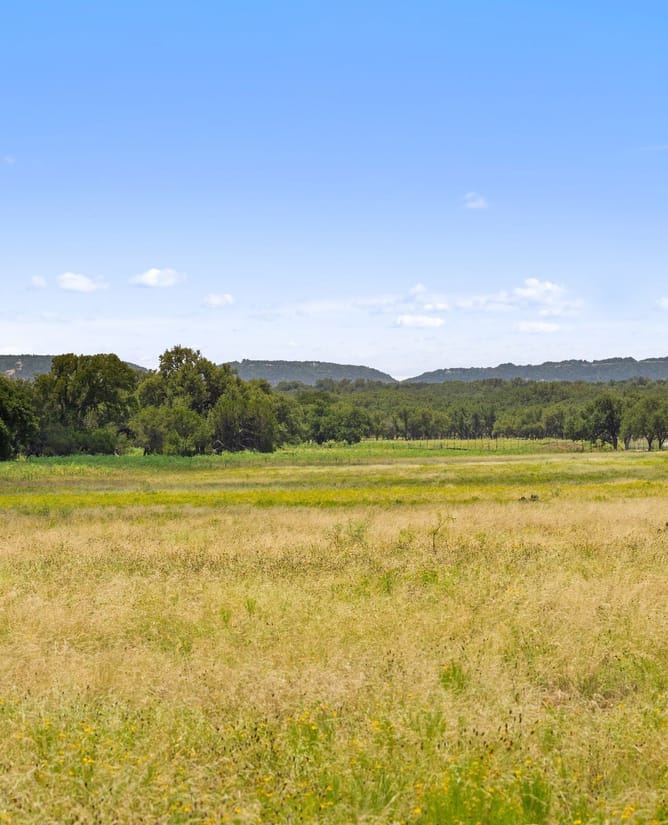
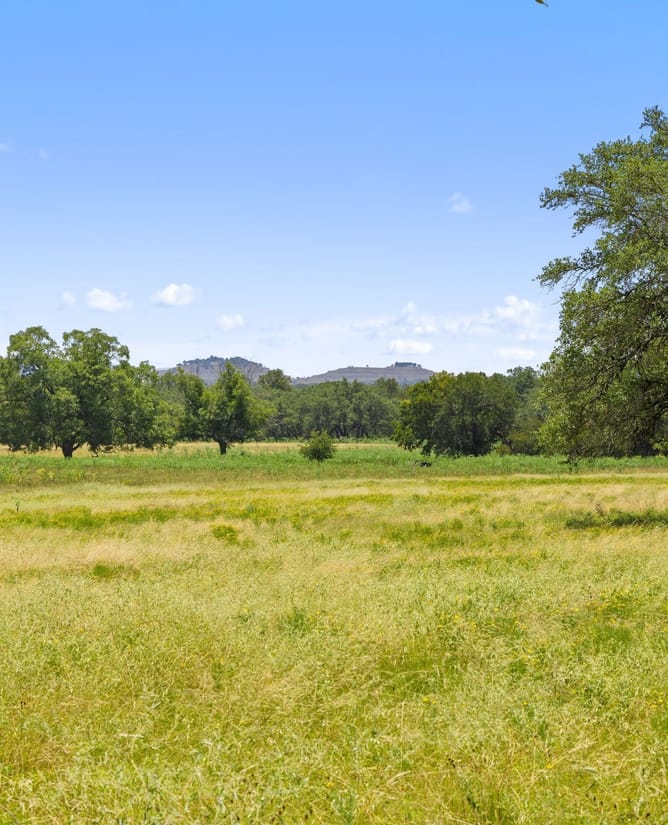
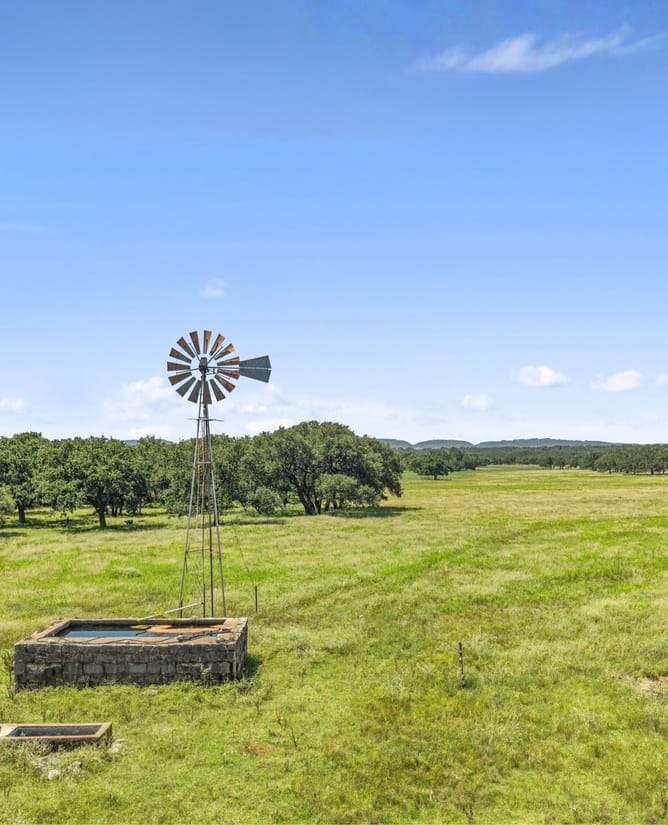
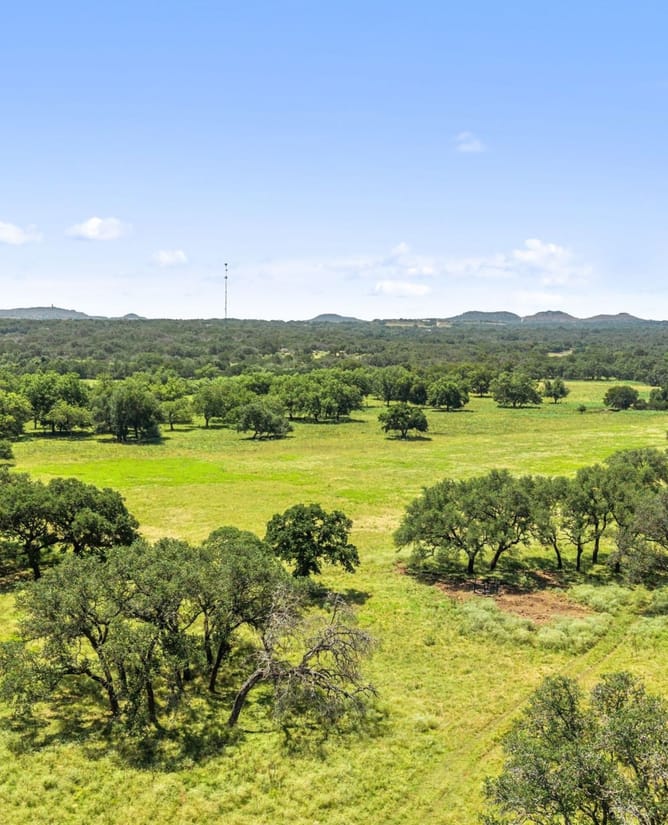
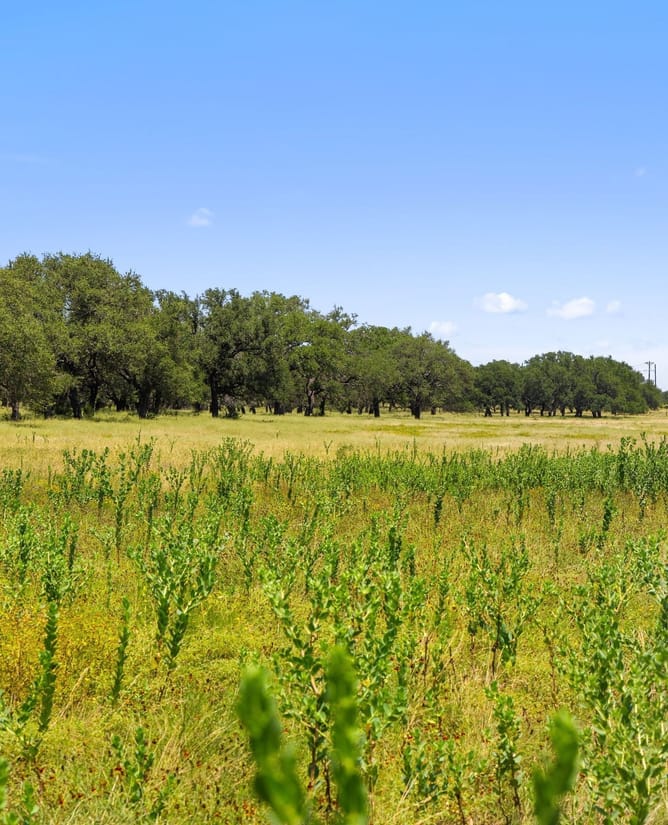
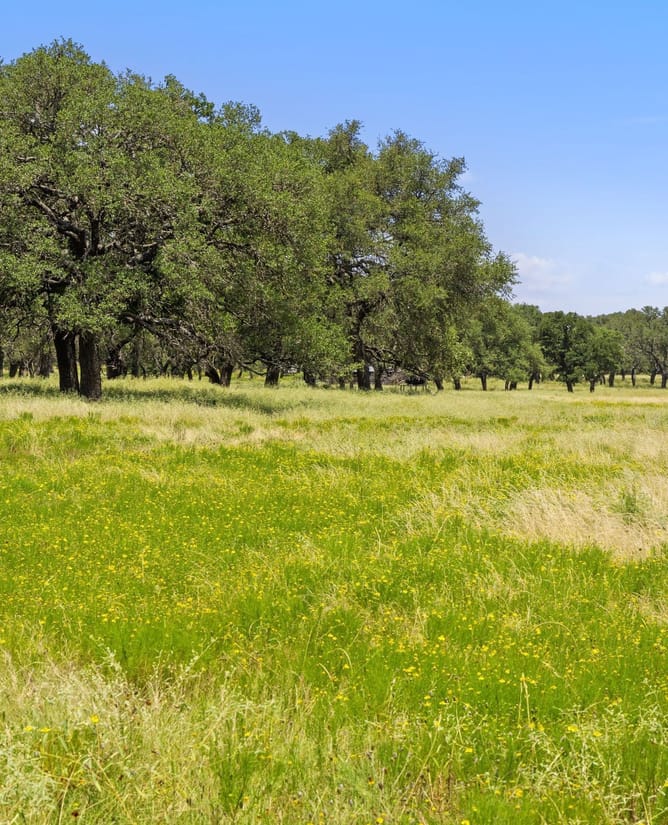
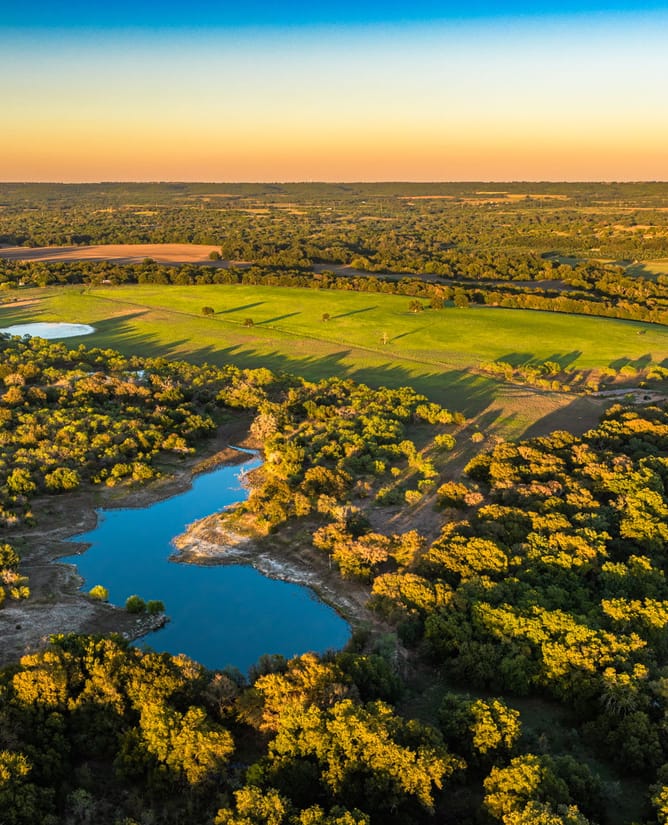
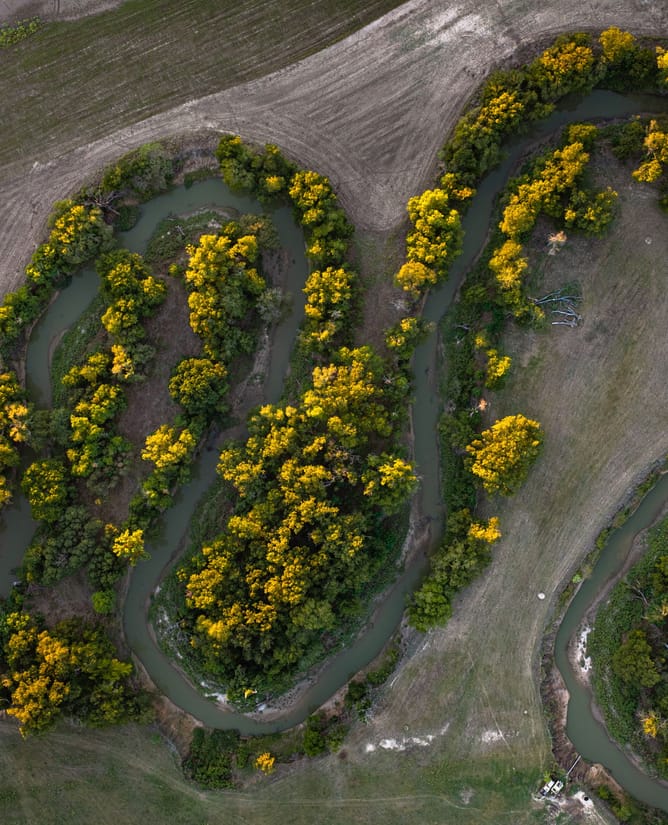
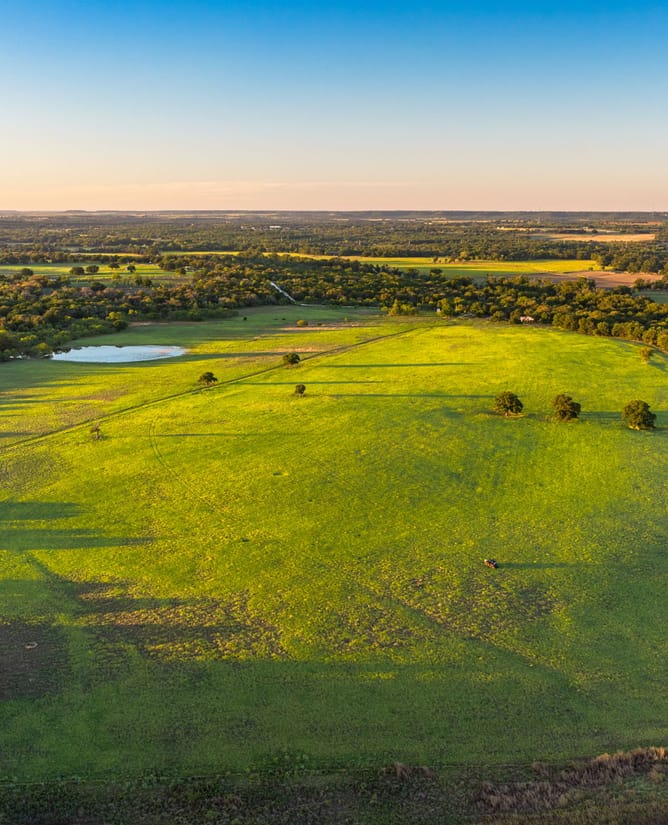
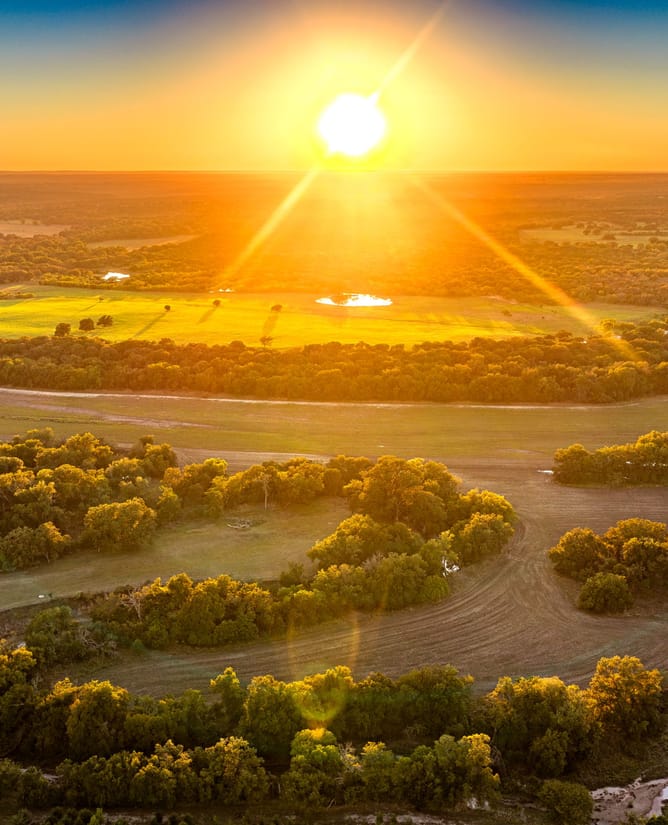
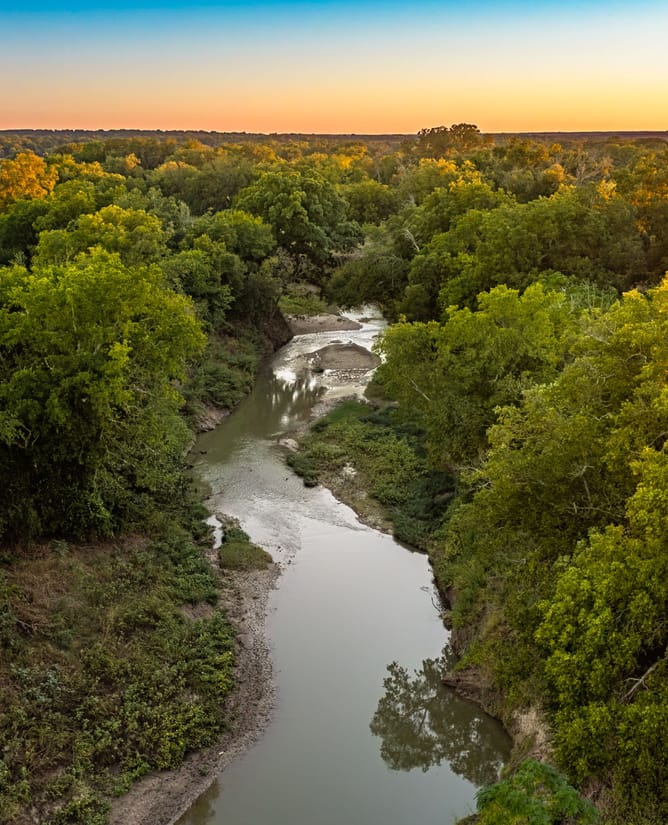
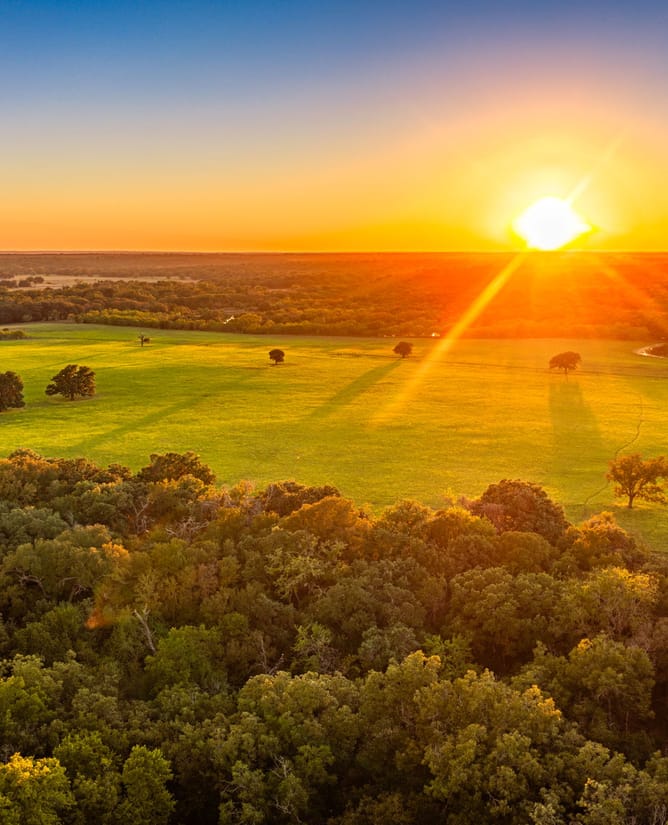
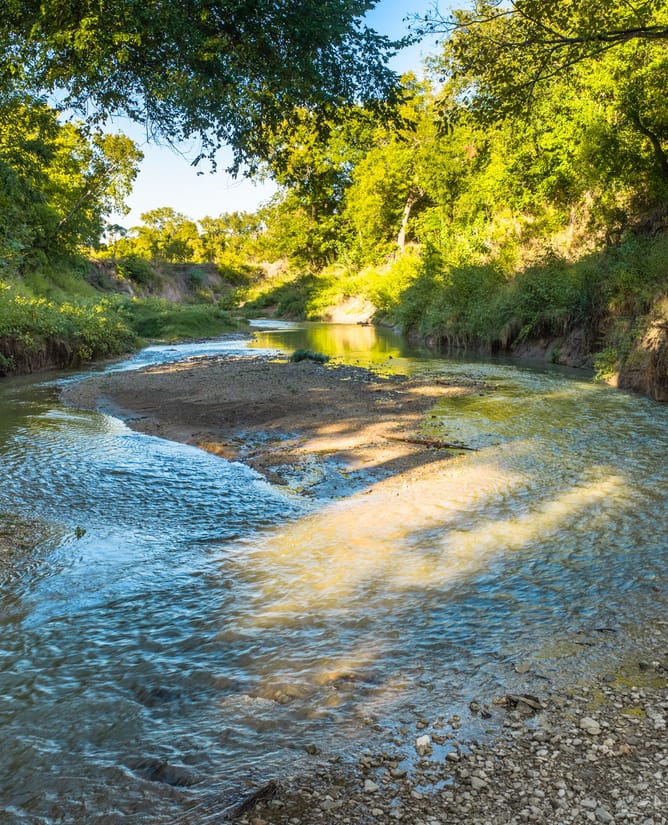
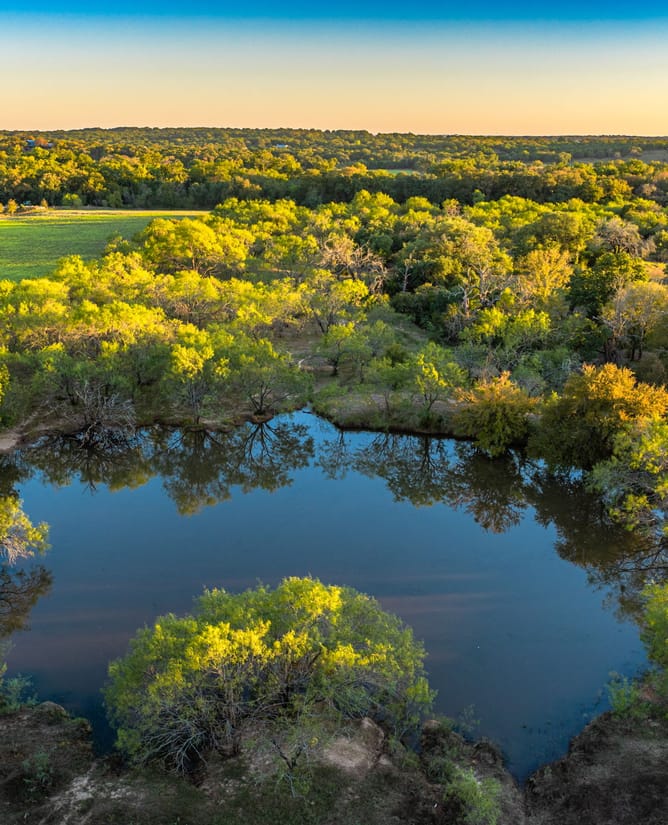
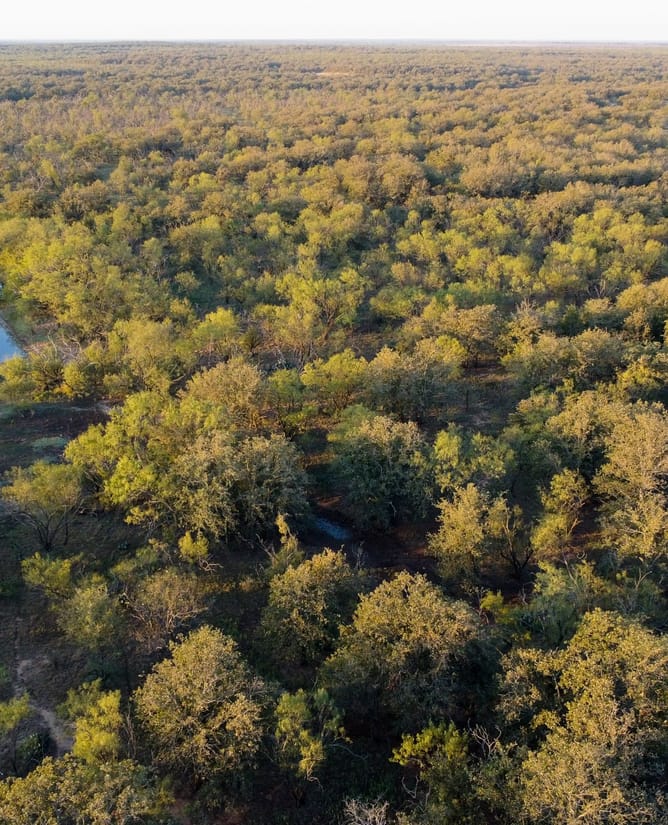
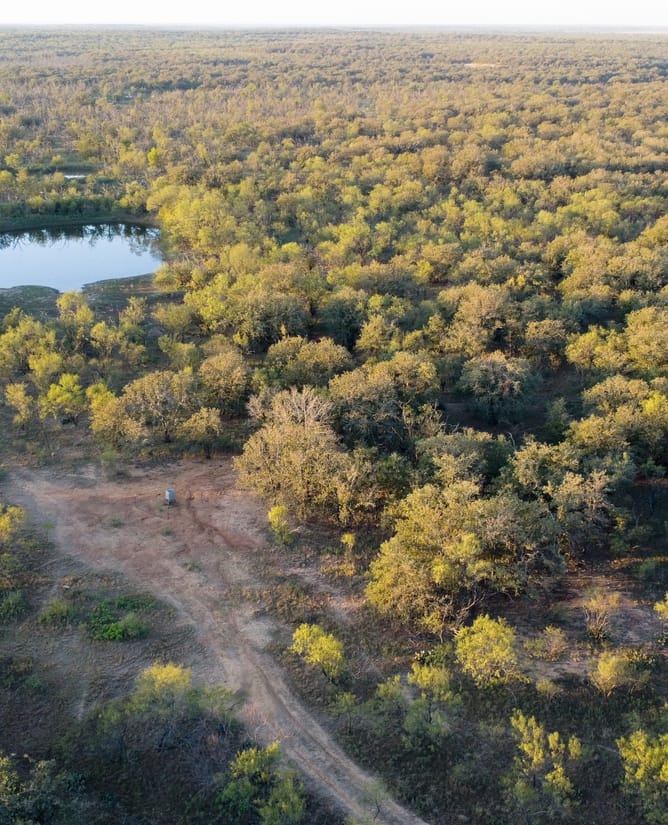
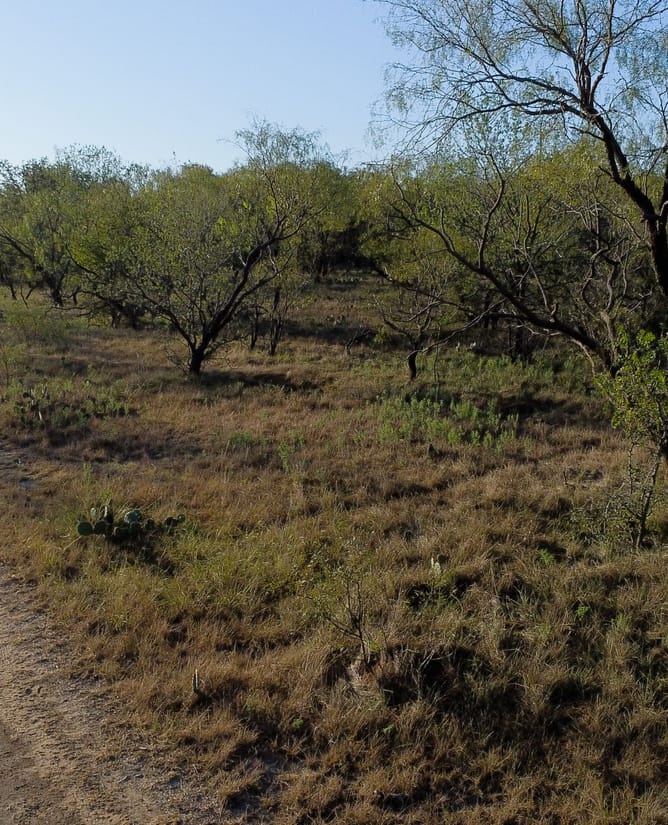
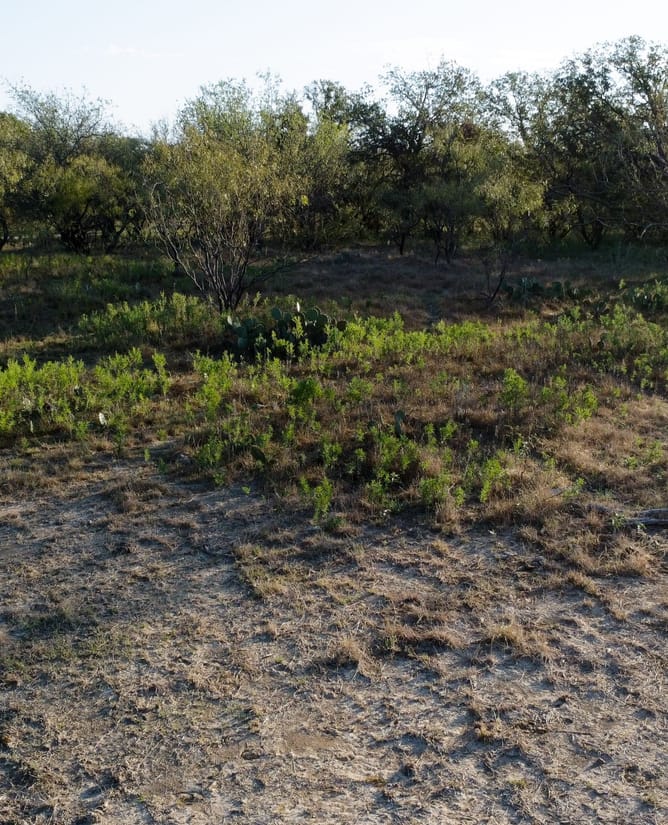




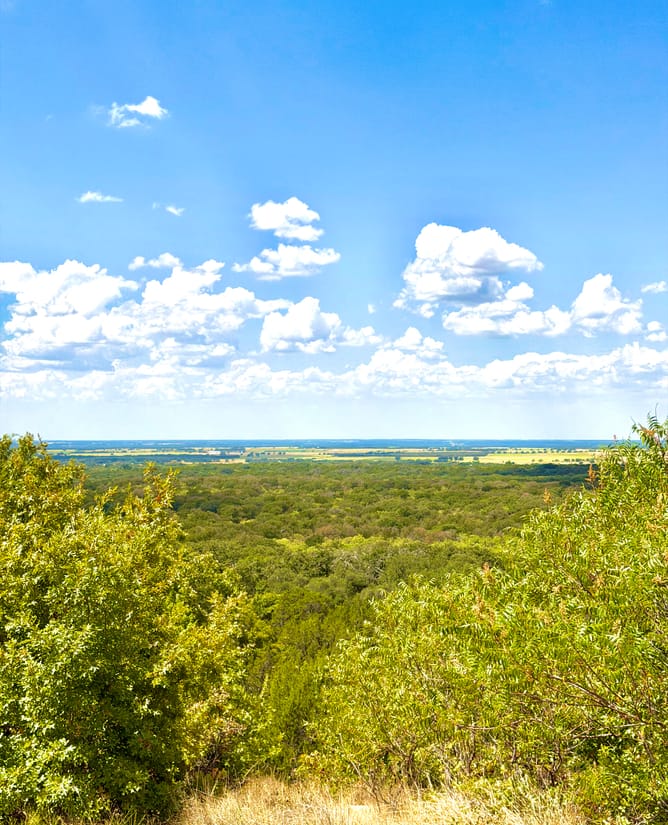
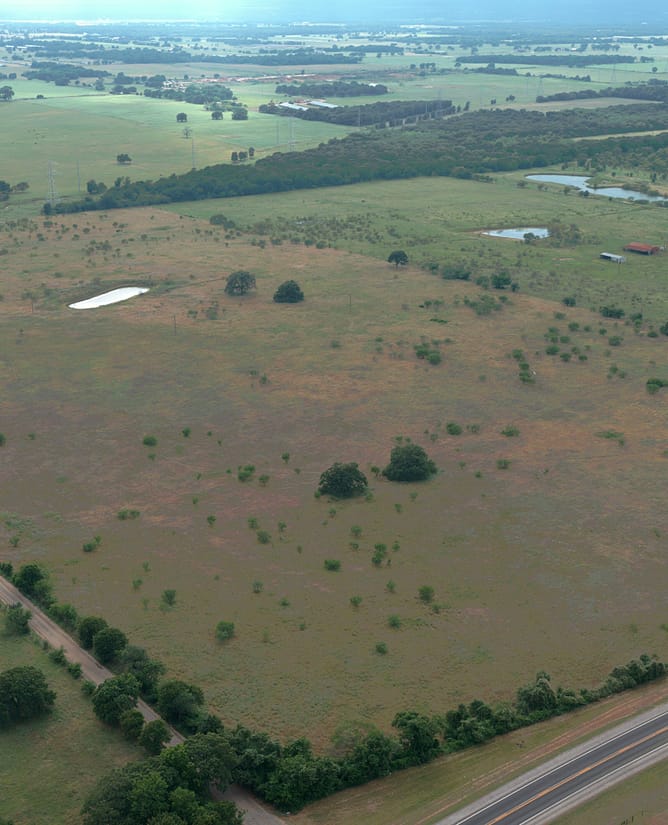
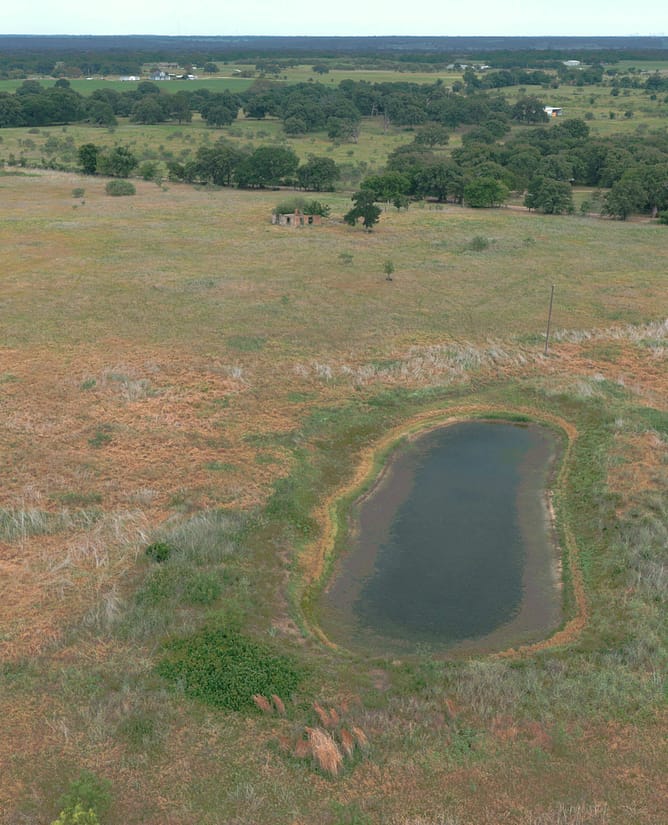


Ranches for Sale in Texas, From Piney Woods Pasture to West Texas Range
Texas gives you a deep pool of ranch ground to choose from. The 2022 Census of Agriculture counted 230,662 farms and ranches across about 125.5 million acres. Pastureland made up roughly 88.5 million of those acres. That depth gives you real choice in size, terrain, and use.
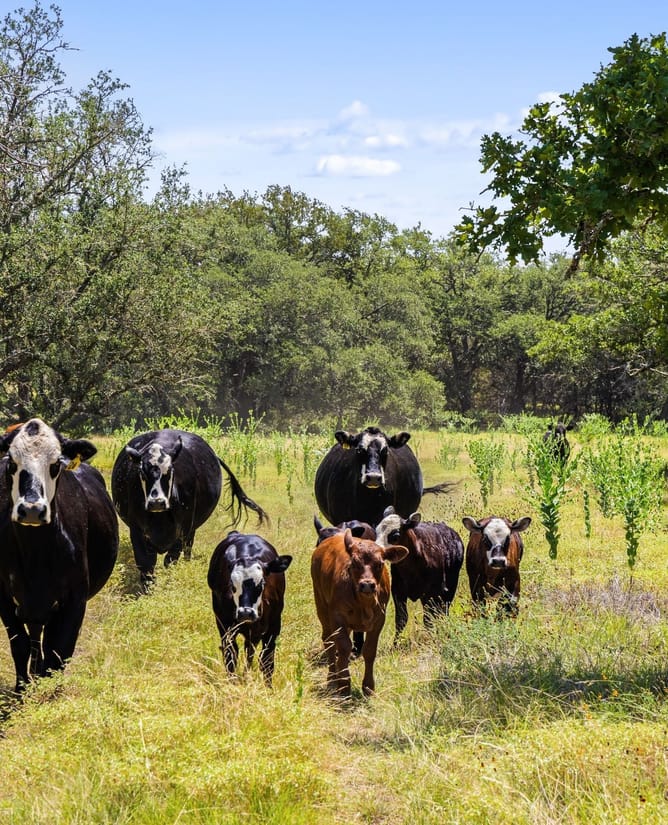
Cattle drive much of that land. In the same census, Texas ranked first in the nation in cattle and calf sales. Many buyers want a working operation that pays part of its own way. Others want a family place for hunting, horses, or weekends. The right ranch depends on which of those goals comes first for you.
How Rainfall Shapes What a Texas Ranch Can Carry
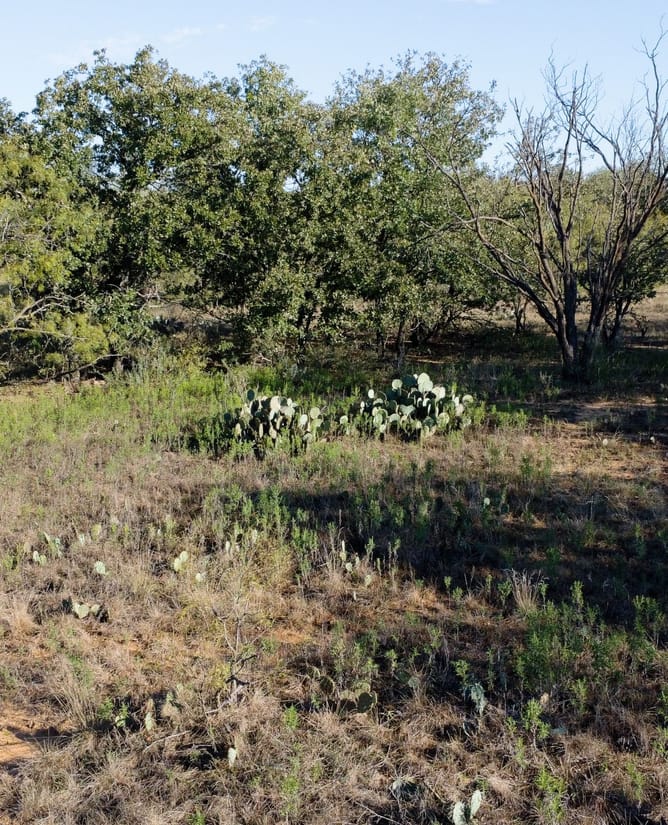
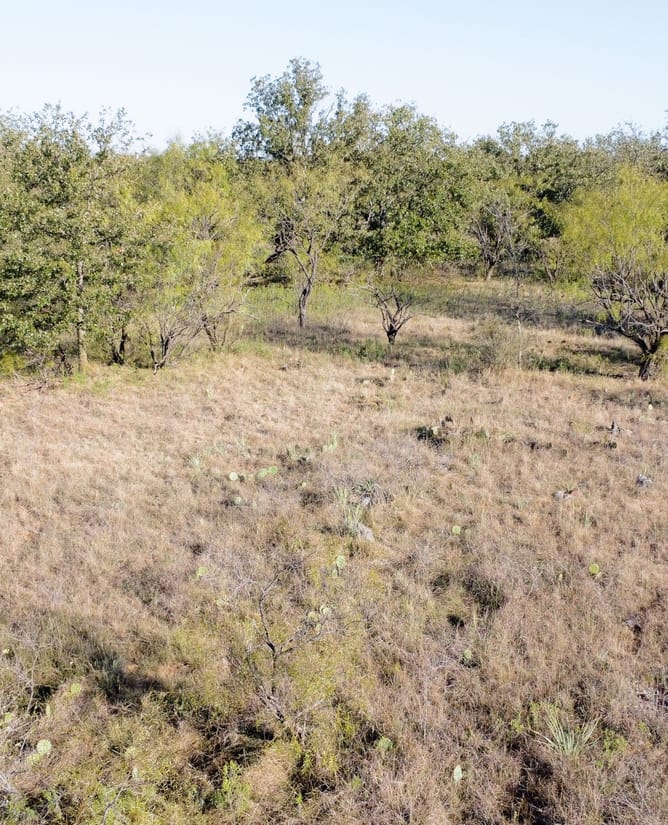
Rainfall is the biggest divide between Texas ranch regions. The Texas Water Development Board reports average annual precipitation of over 55 inches in Beaumont. El Paso averages less than 10 inches. More rain usually grows more forage on each acre. In drier country, you usually need more acres to run the same herd.
That difference changes how you should compare ranches. A smaller place in the east can carry stock that a western ranch needs far more land to support. Before you compare two tracts, ask each seller for the stocking history and the current grazing plan.
Holding Costs and Ag Valuation
Property taxes matter on any land you plan to hold. In Texas, qualifying farm and ranch land can be appraised on its productivity value instead of market value. The Texas Comptroller notes that productivity value is usually lower than market value. To qualify, the land must be devoted principally to agricultural use. That use must also meet the degree of intensity that is generally accepted in the area.
If you later switch the land to a non-agricultural use, you can owe a rollback tax for prior years. Wildlife management can also qualify, as long as the land was already qualified for agricultural use. Ask whether the ranch carries agricultural valuation today. Then check the Comptroller and your county appraisal district for current rules before you close.
What to Check Before You Buy a Texas Ranch
A few items shape a ranch’s value more than its acreage. Before you buy, confirm each of these with the seller and your agent.
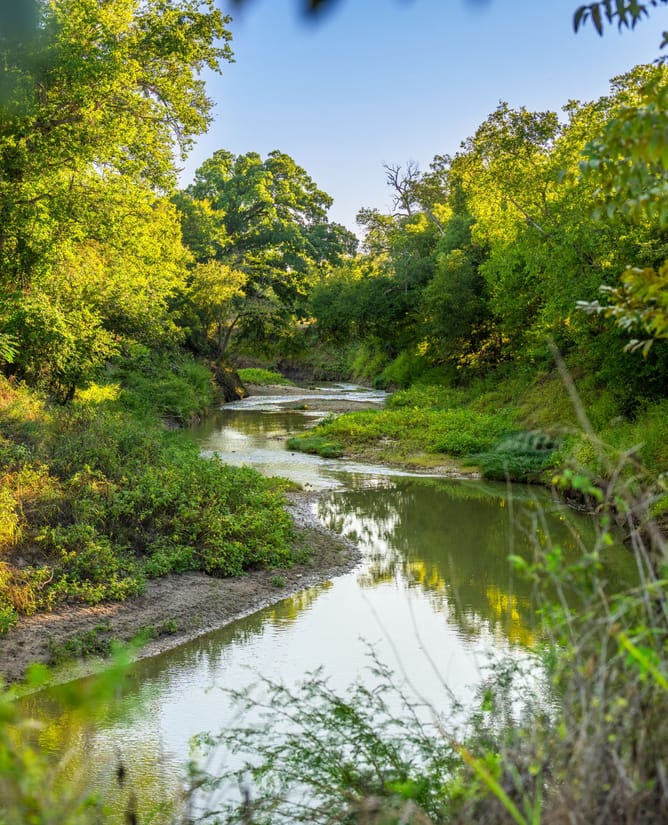
- Surface water. Surface water in Texas belongs to the state. Without a permit from the Texas Commission on Environmental Quality, you can use it only for domestic and livestock purposes.
- Groundwater. Groundwater belongs to the landowner, but local groundwater conservation districts can regulate wells. A landowner can also sell or lease groundwater, so confirm none has been leased away.
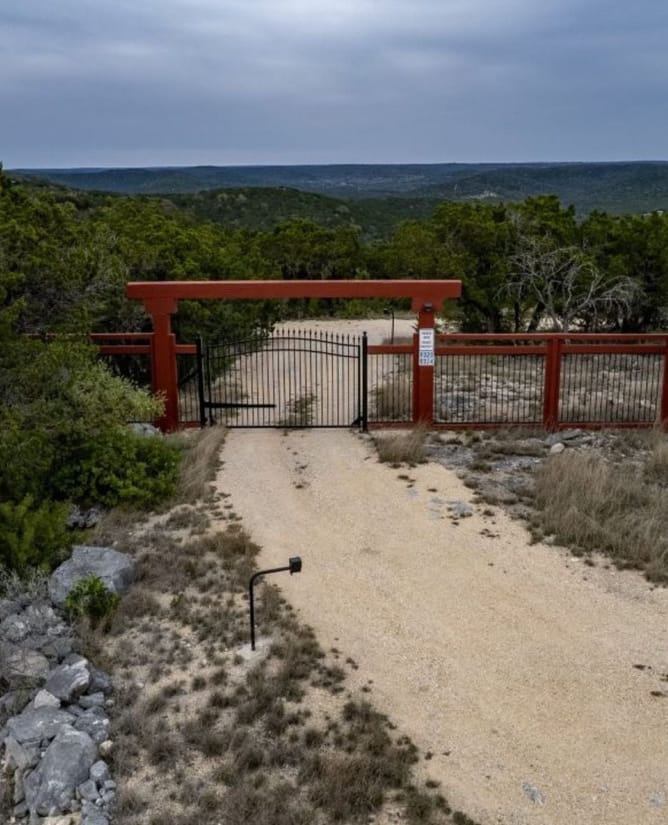
- Access. Confirm legal, recorded access to a public road.
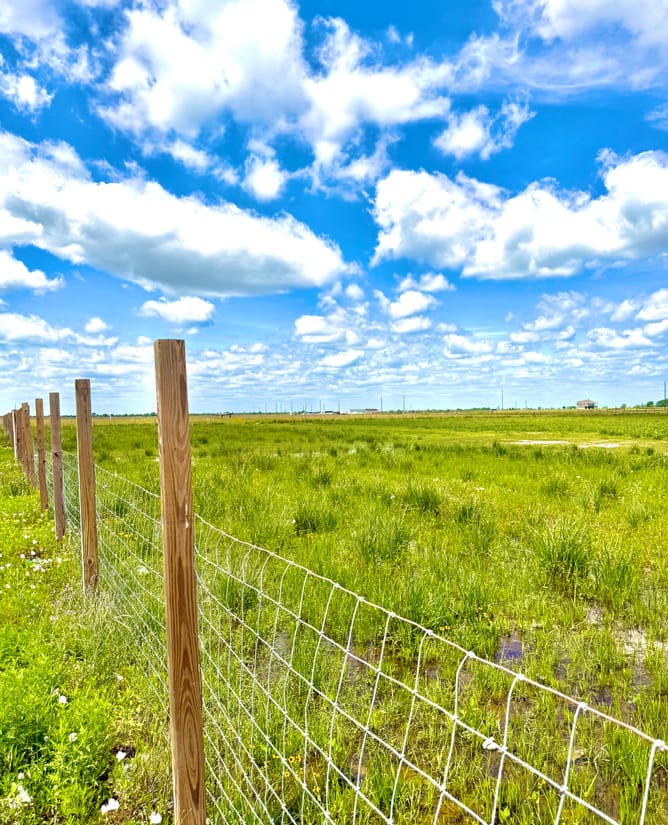
- Fencing and pens. Walk the perimeter fence, cross fences, and working pens before you make an offer.
- Agricultural valuation. Ask the county appraisal district which valuation the ranch carries today.
Browse the ranches for sale in Texas above, or narrow your search to cattle ranches or high fence ranches. When a place fits your goals, contact our team to walk the land with an agent who knows the region.
