






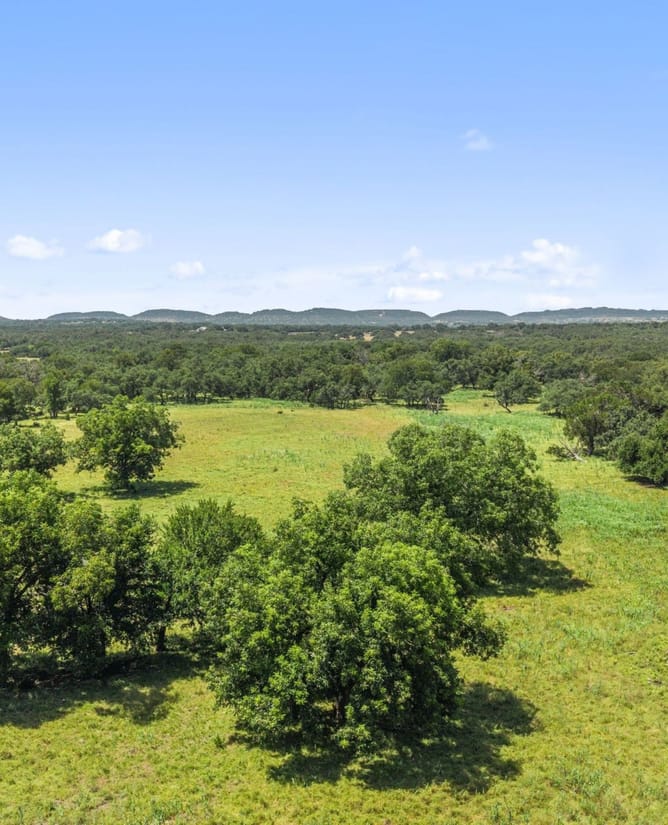
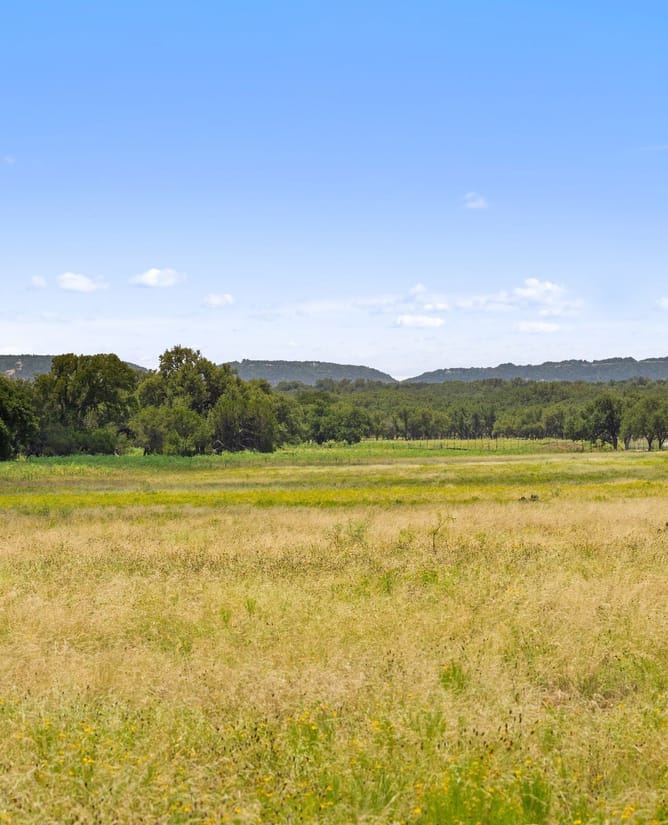
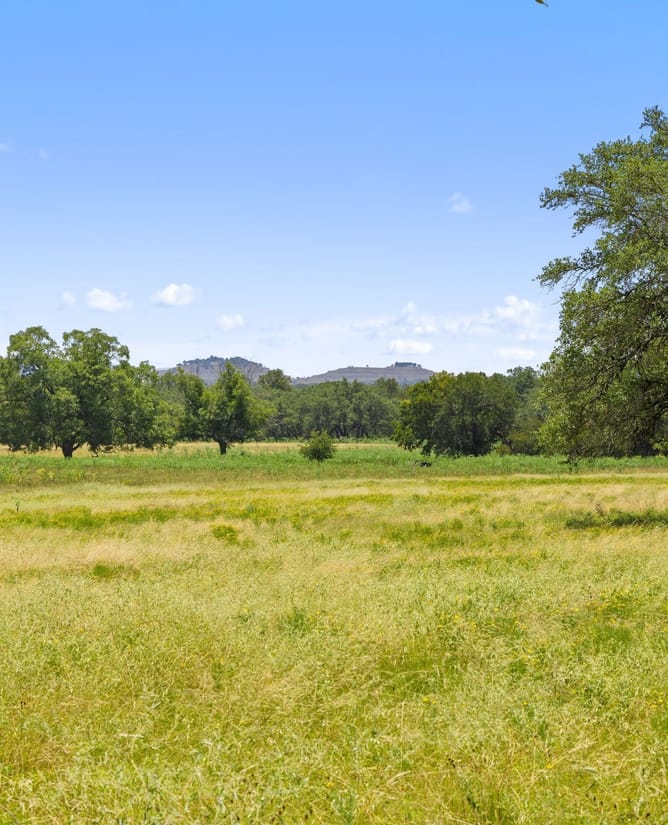
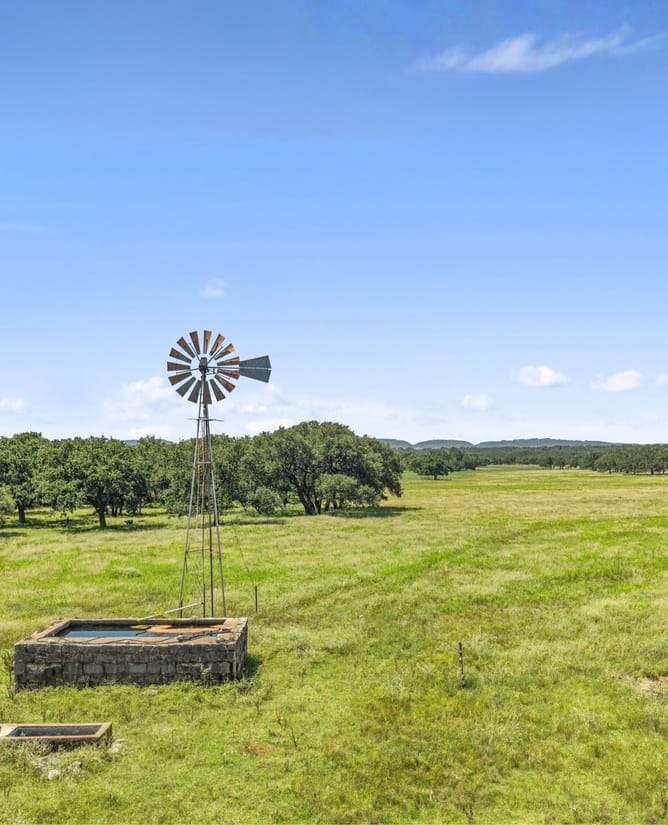

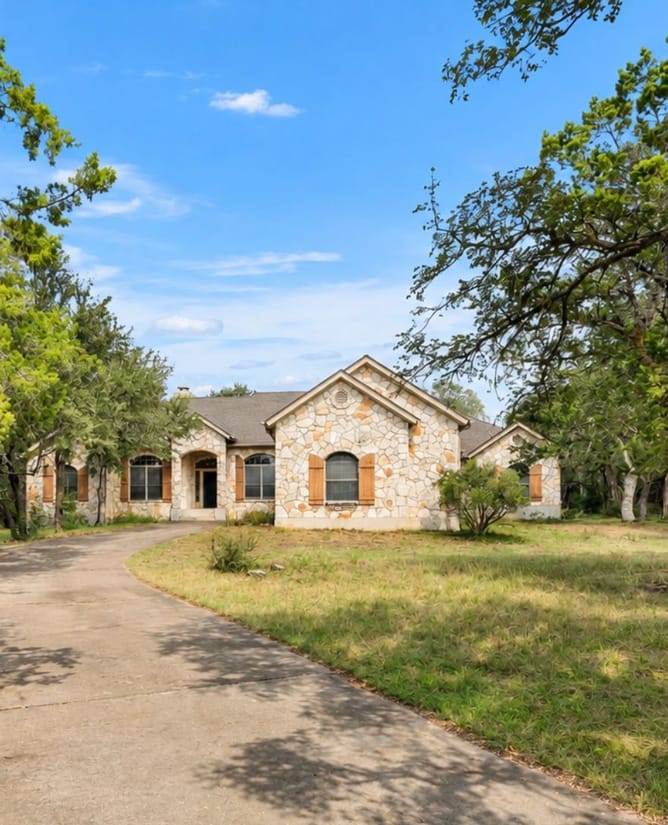



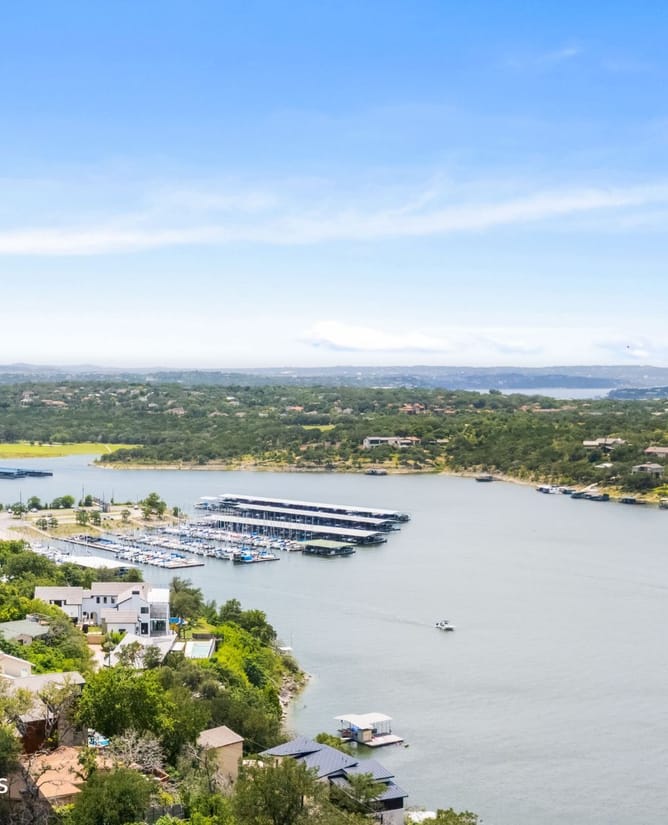
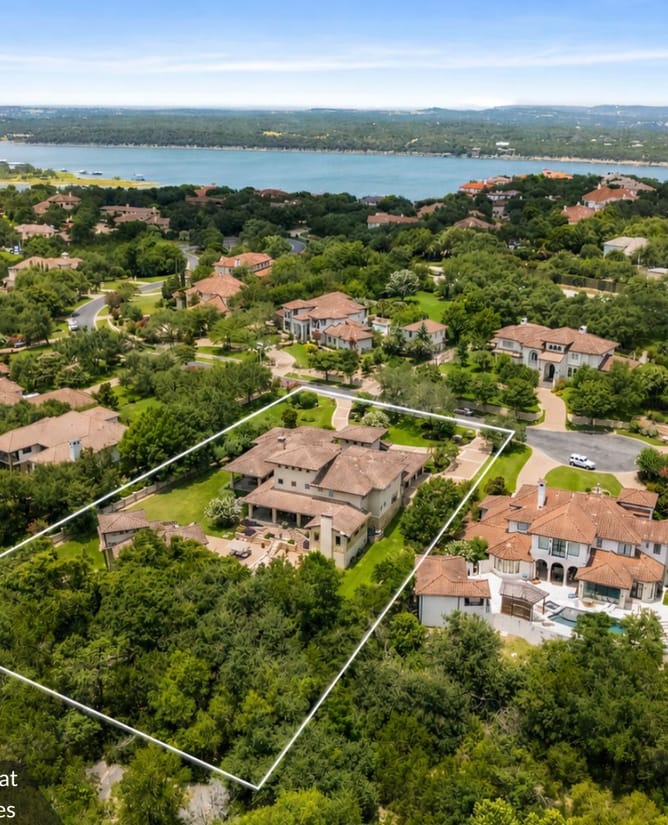










Hill Country Land for Sale on Limestone, Springs, and Live Water
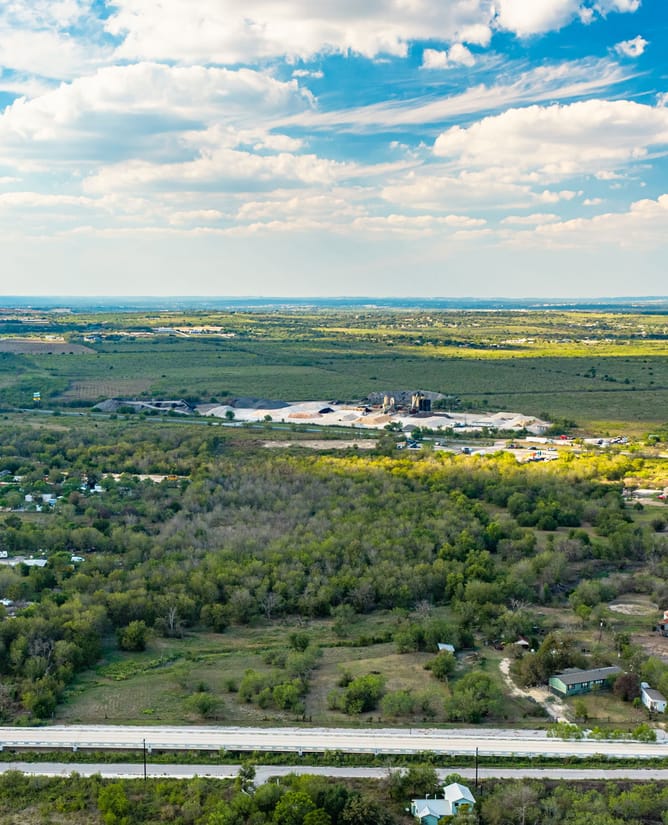
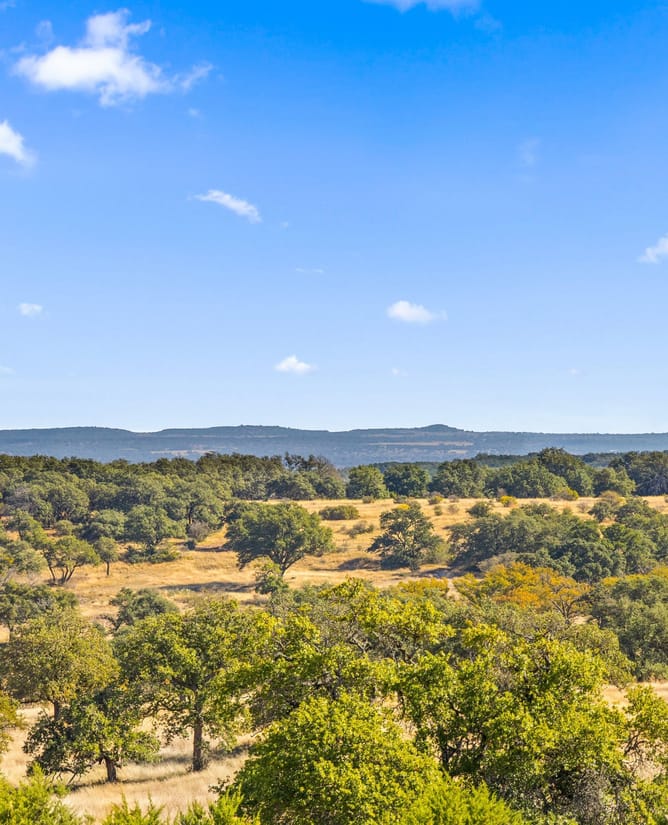
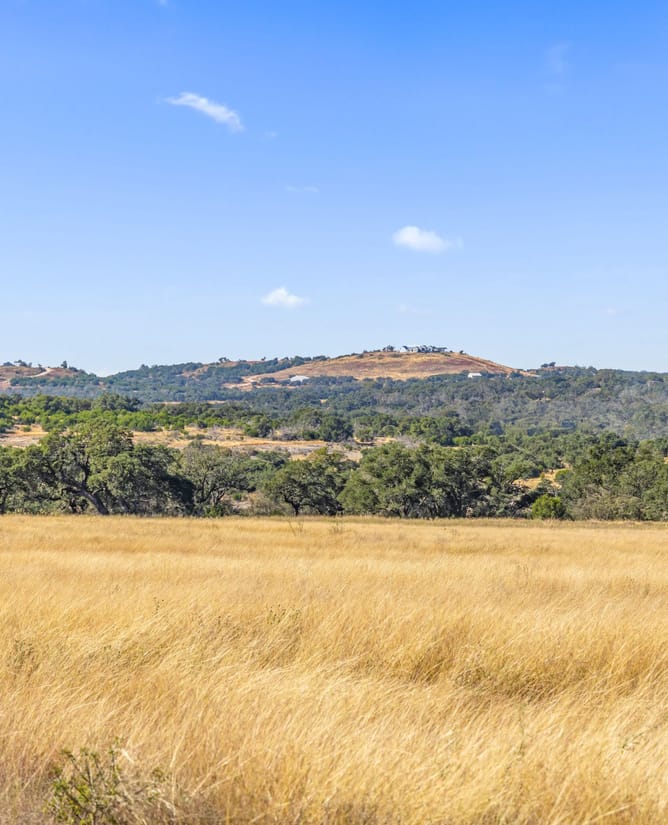
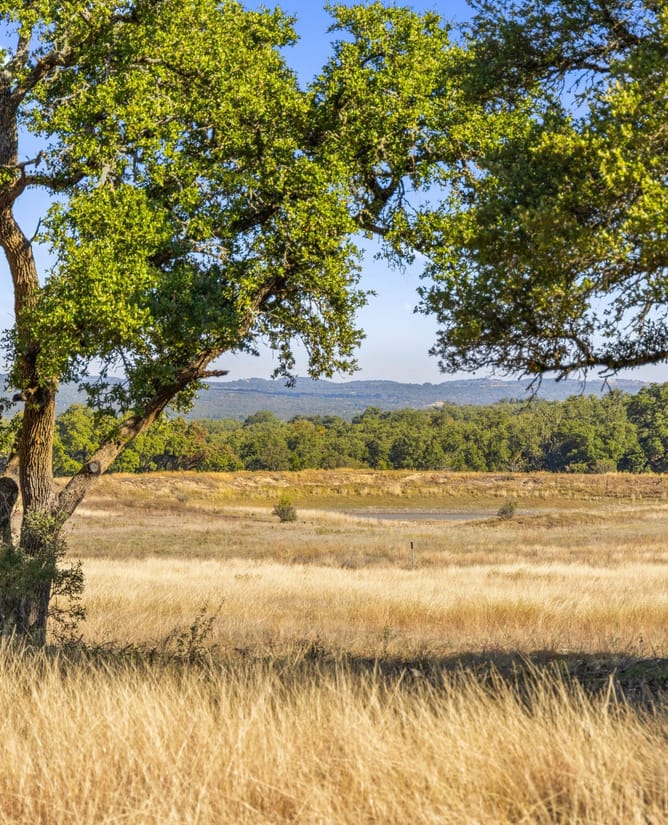
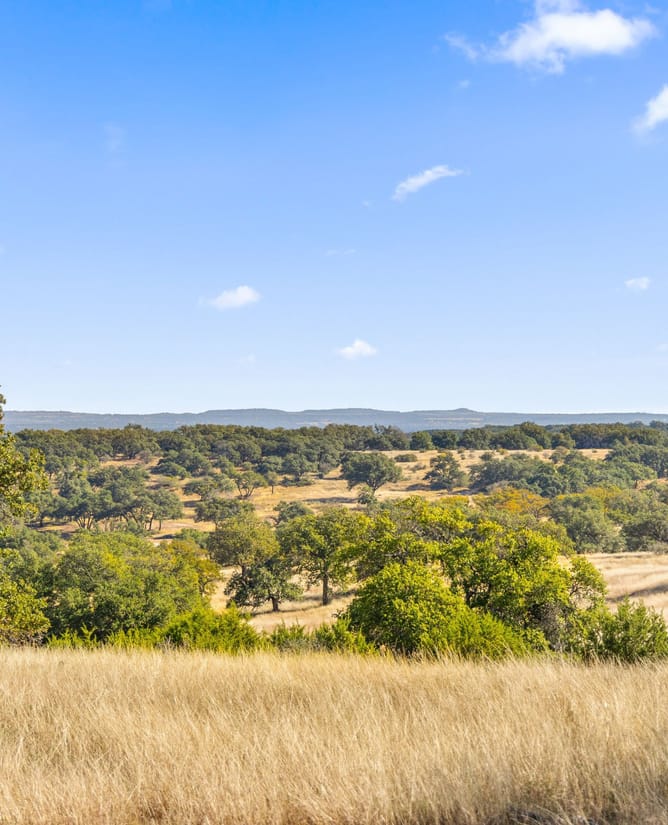
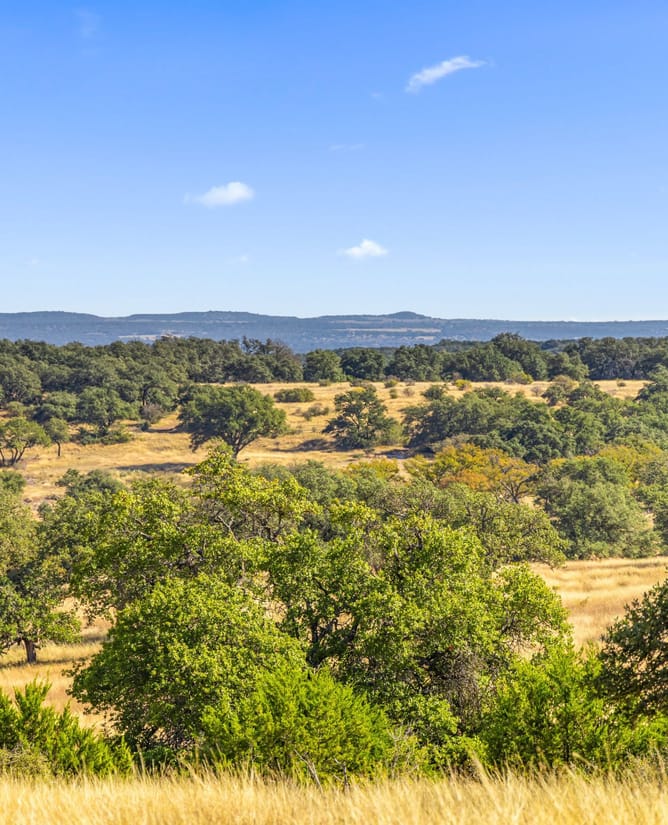
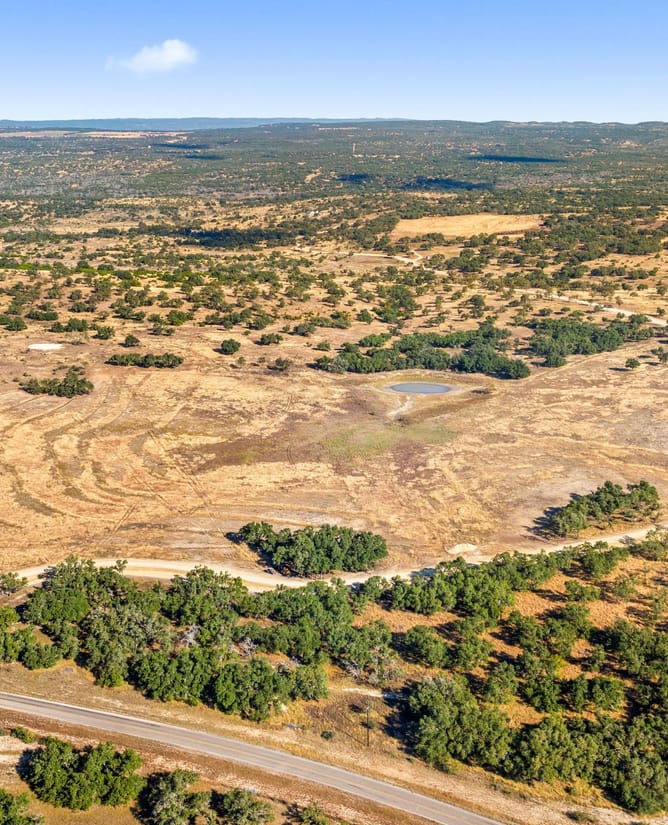
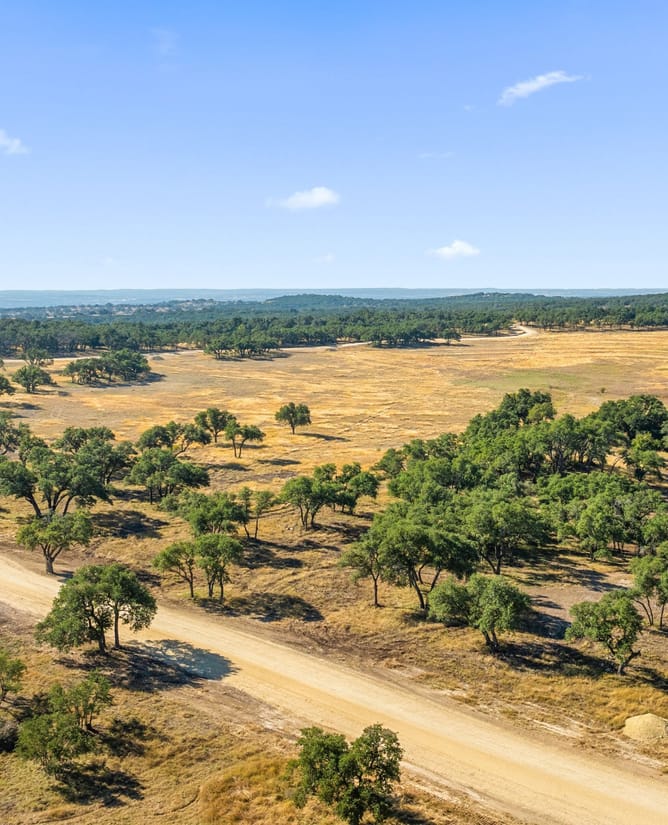
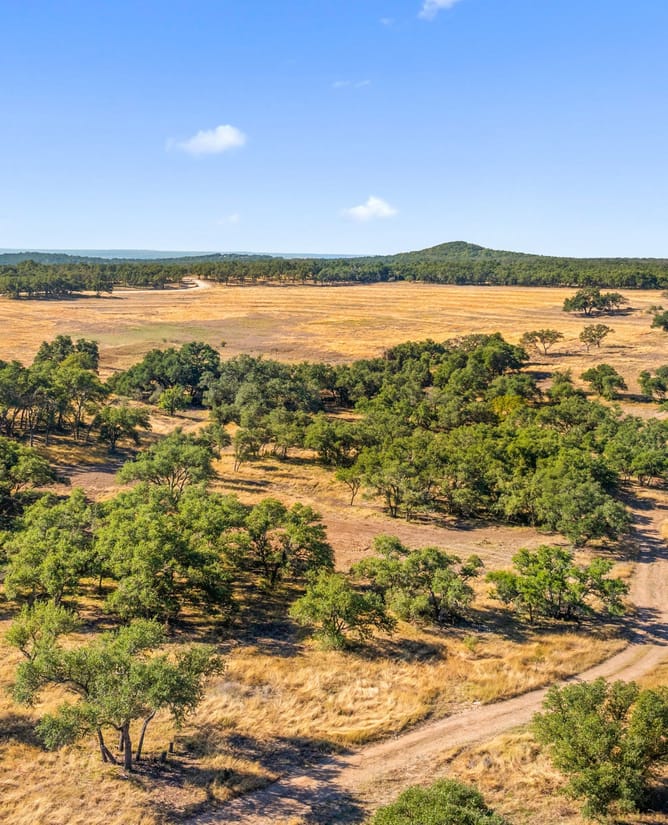
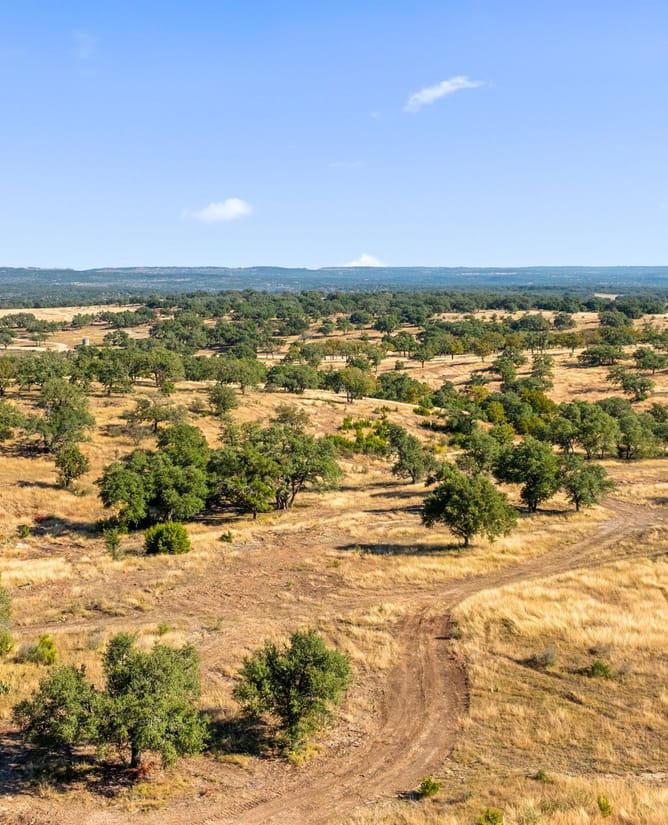
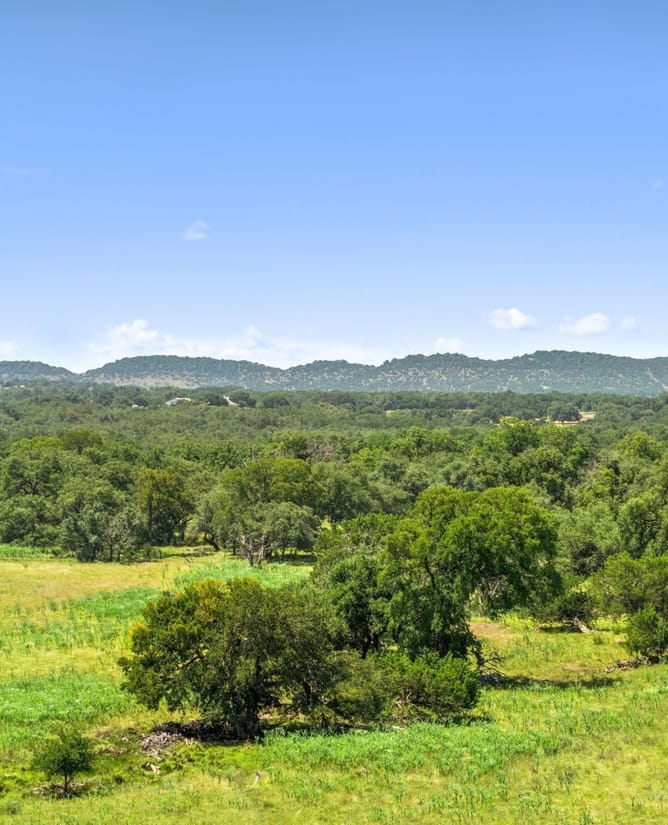
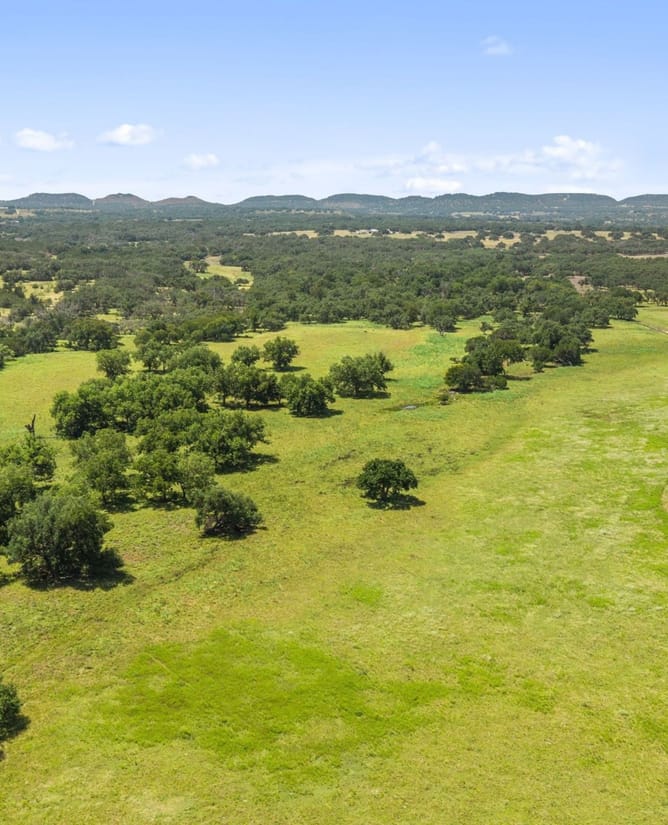
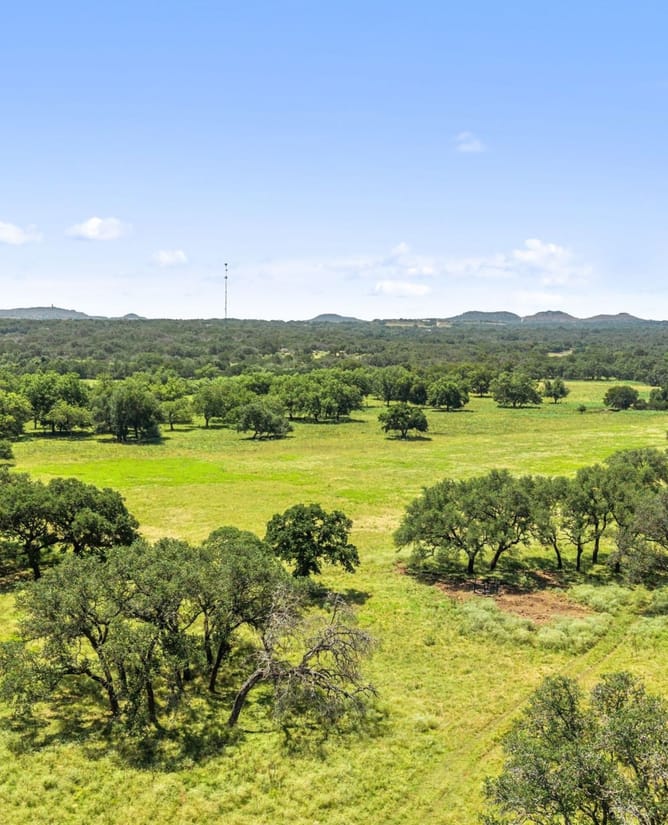
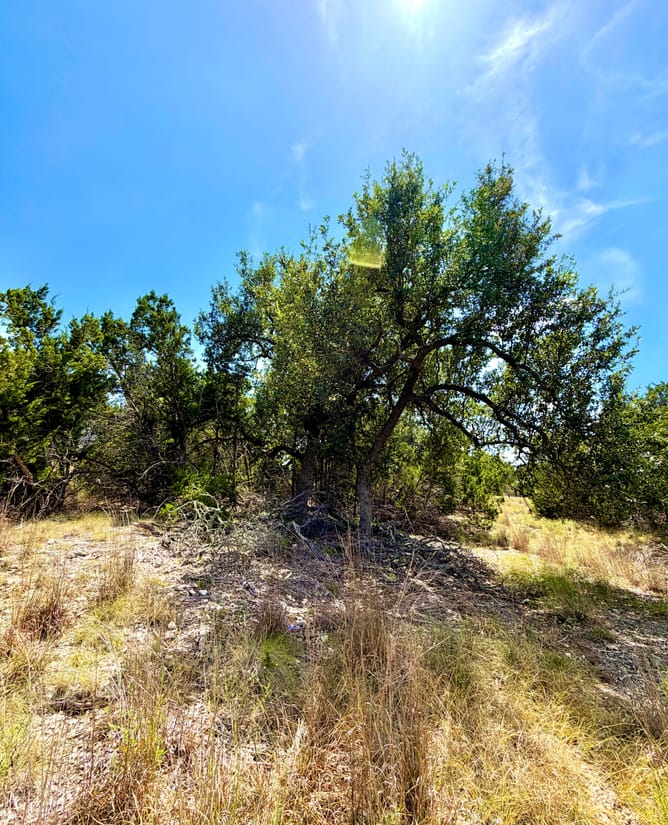
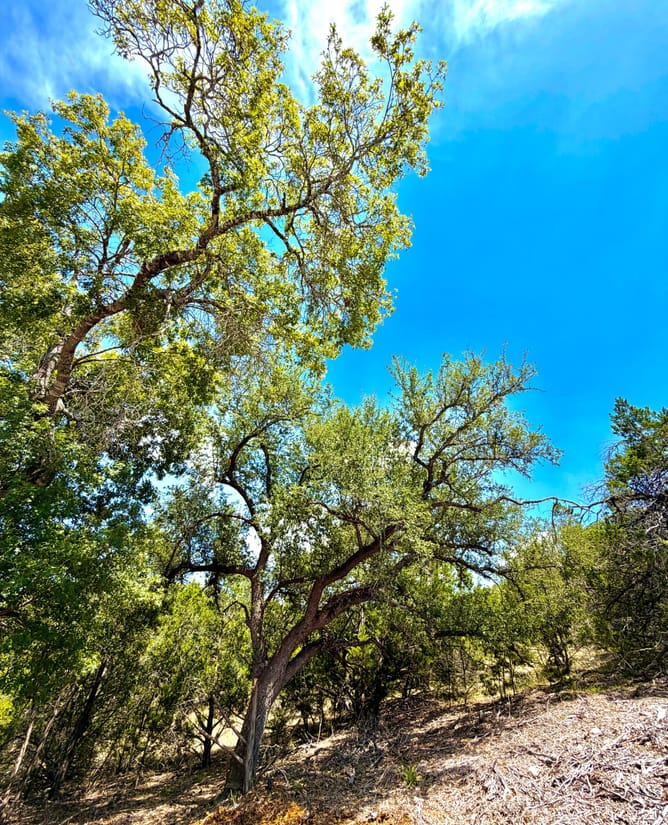
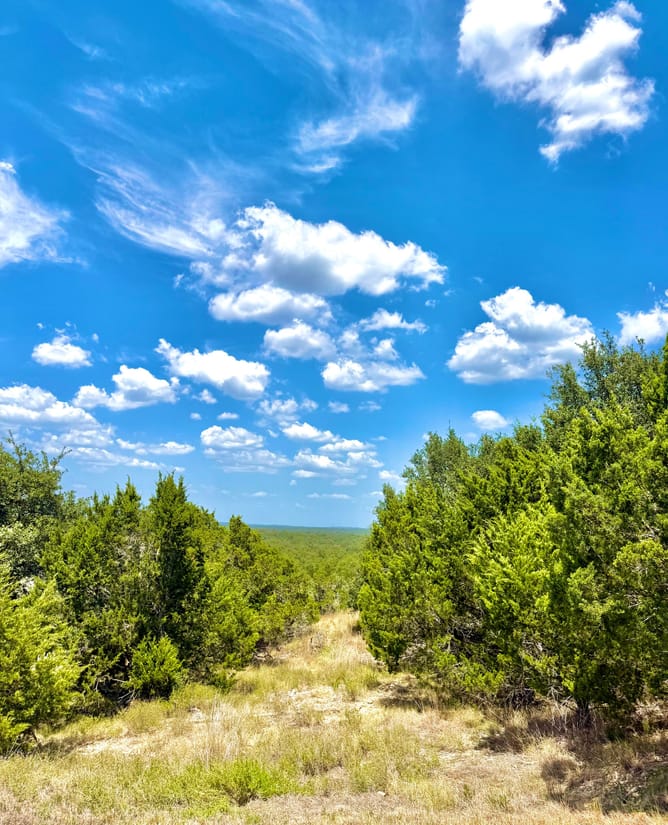
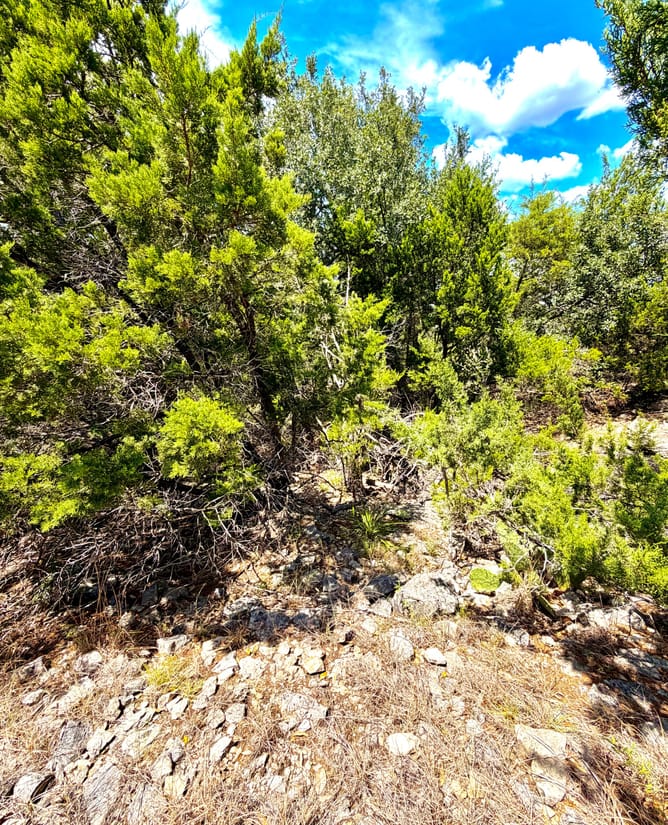
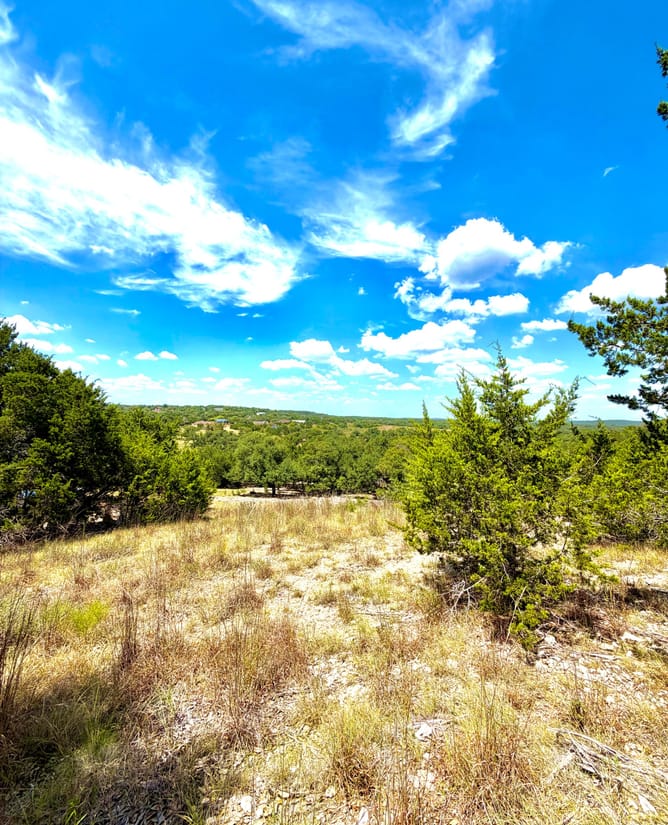
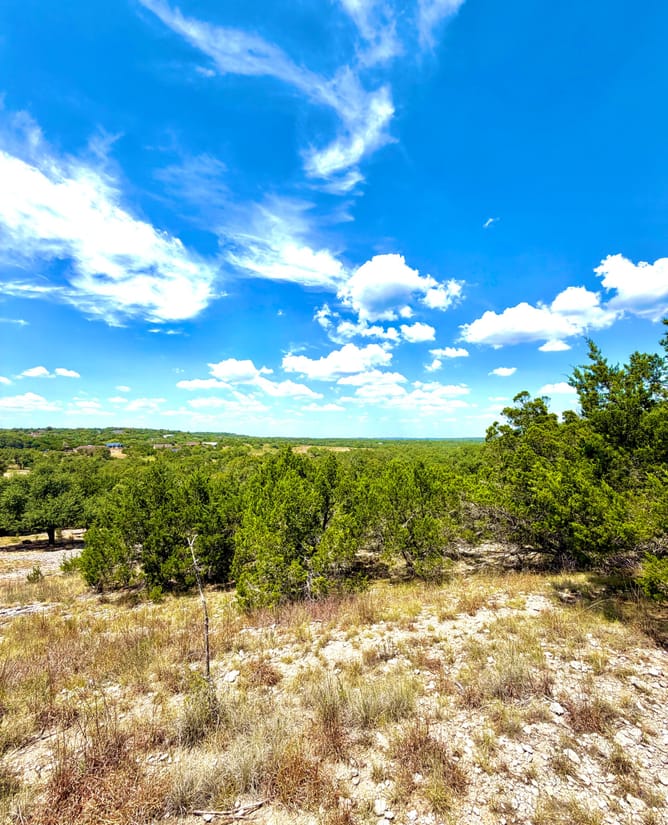
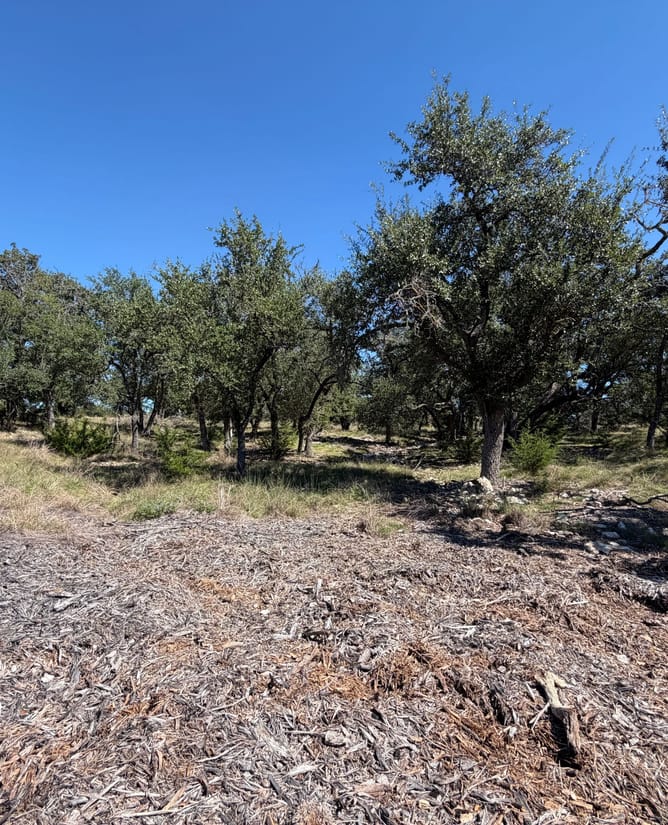
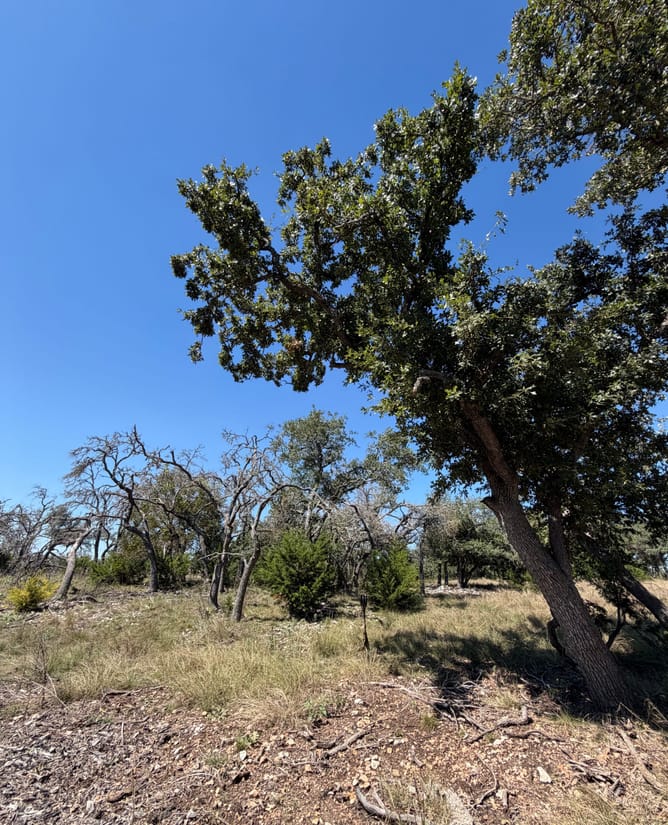
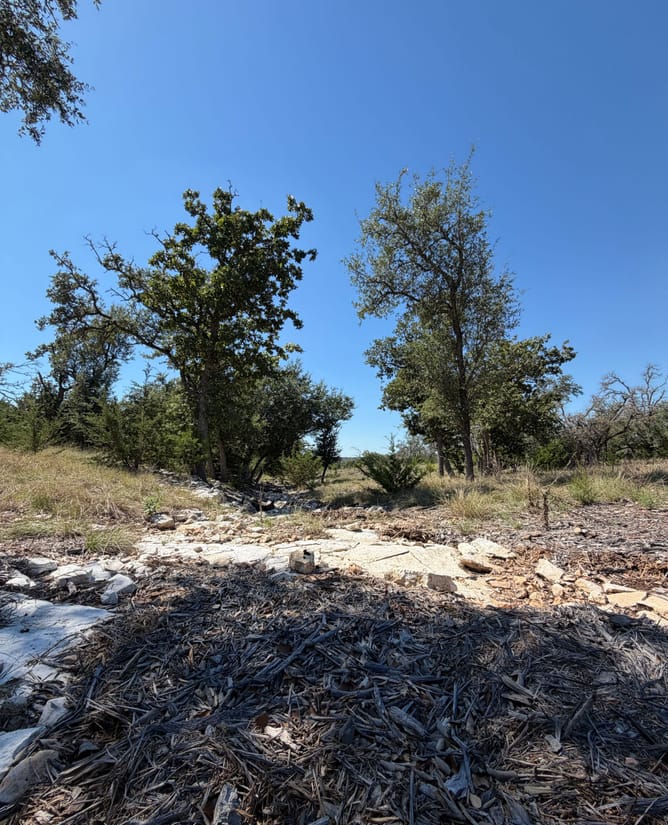
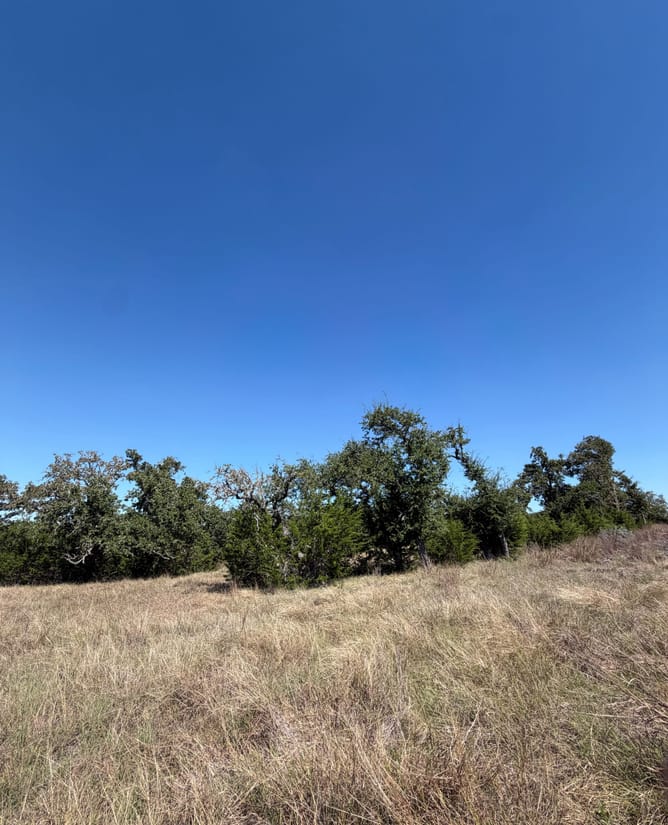
The Texas Hill Country sits on the Edwards Plateau. Texas Parks and Wildlife describes it as a land of many springs, stony hills, and steep canyons. Over millions of years, the plateau eroded into the hilly terrain you see today. That terrain gives many tracts long views and private draws.
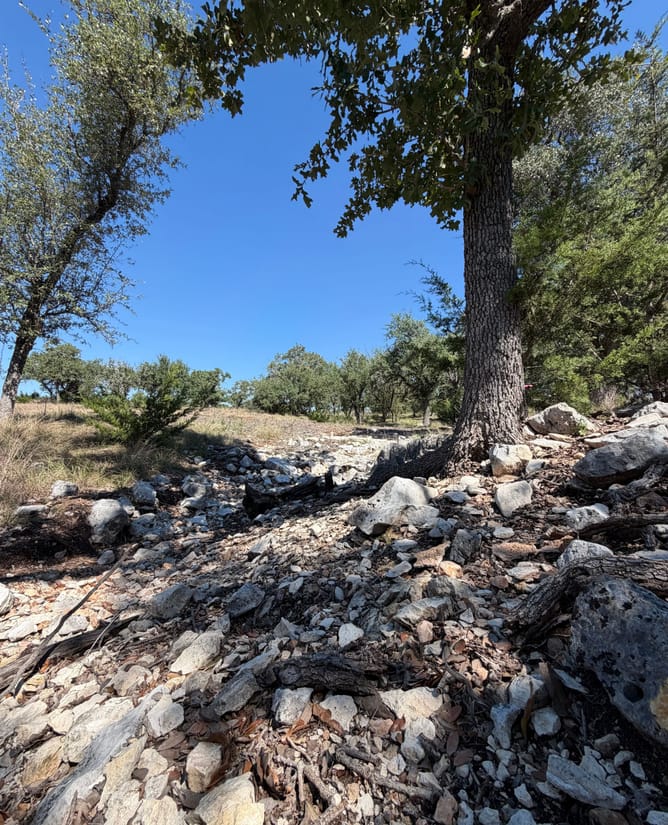
Conditions shift as you move across the region. TPWD lists average rainfall at 15 to 34 inches a year, rising from west to east. Elevation ranges from about 500 to 2,250 feet. In the central Hill Country, the Llano Uplift adds granite domes such as Enchanted Rock. Its soils are mostly coarse sands weathered from granite, which differ from the thin soils over limestone elsewhere.
Rivers, Springs, and the Edwards Aquifer
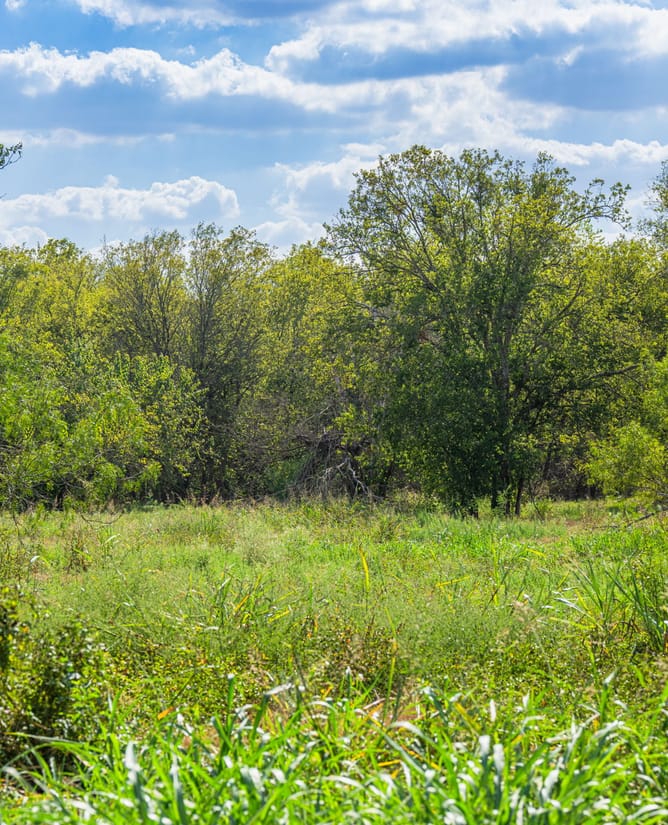
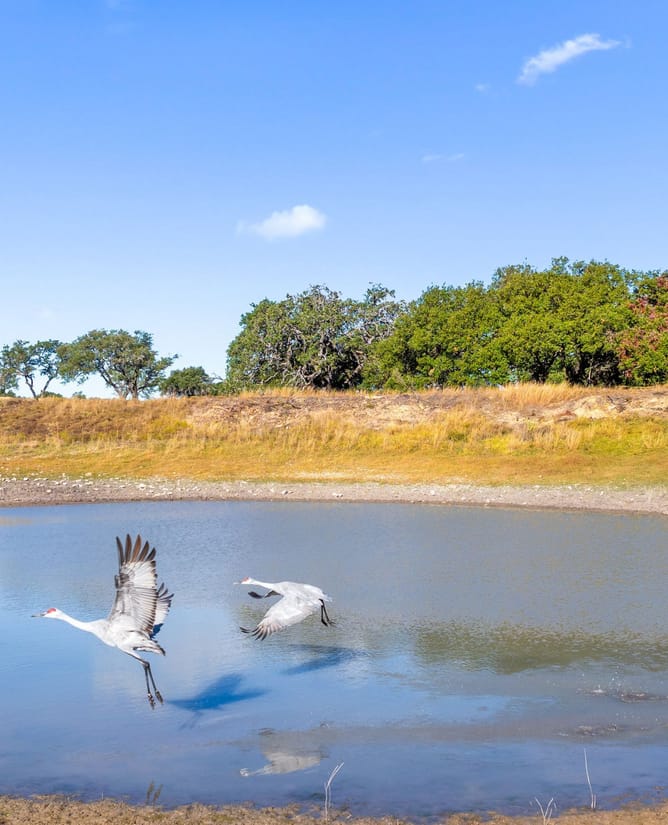
For many buyers, water is the main draw. The region includes parts of the Llano, Guadalupe, Colorado, Devils, and Nueces river watersheds. TPWD notes that the widespread karst limestone keeps most streams relatively clear and cool. Below the surface, the Edwards Aquifer feeds springs through cracks in the limestone.
River frontage and springs can add swimming, fishing, and a dependable water feature to a property. Those same features call for careful due diligence. Water rights, well rules, and floodplain all deserve a close look before you buy.
Deer, Goats, and Grazing on the Plateau
The Hill Country is strong deer country. TPWD reports that the Edwards Plateau holds the highest deer population and density in Texas. Within the region, the area around Llano and Mason counties has the highest density. Rio Grande turkey and javelina are also common.
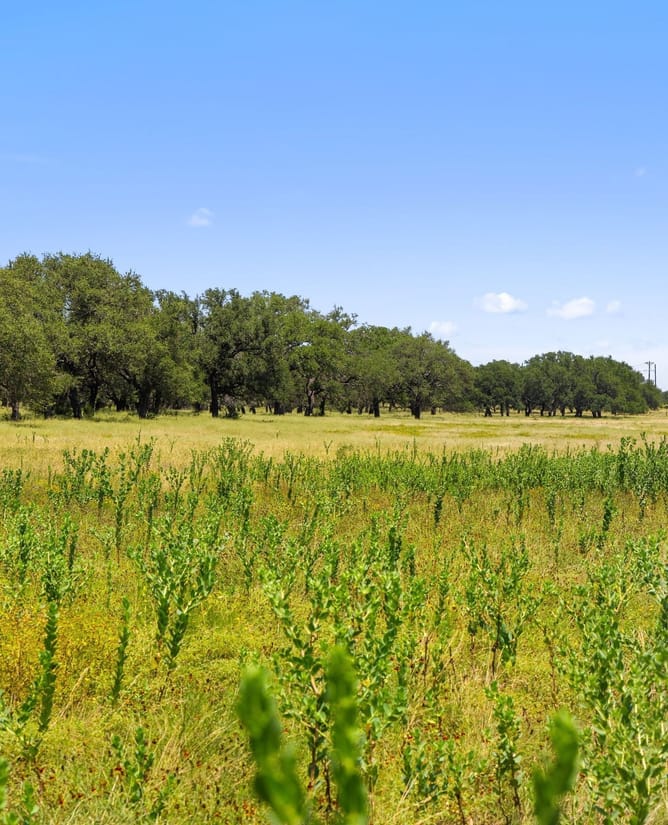
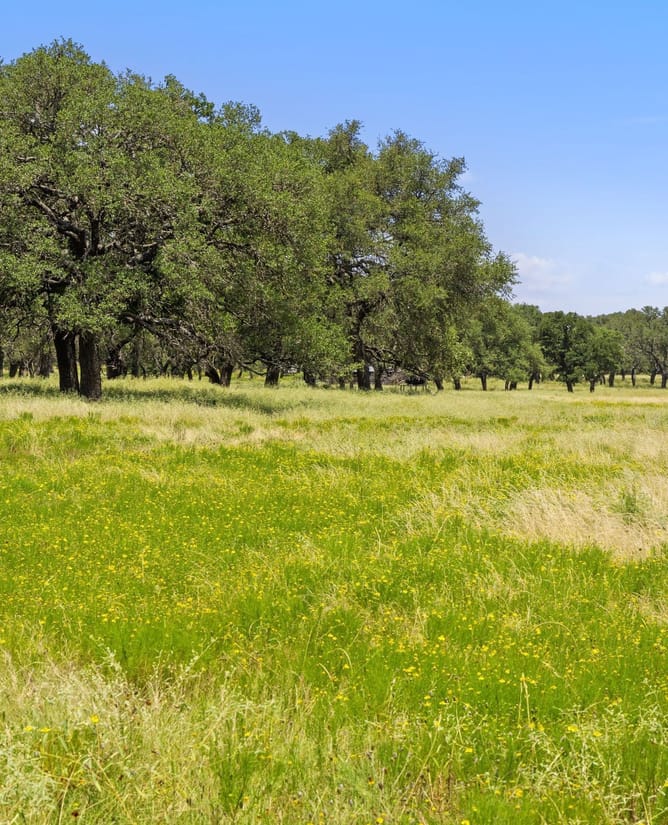
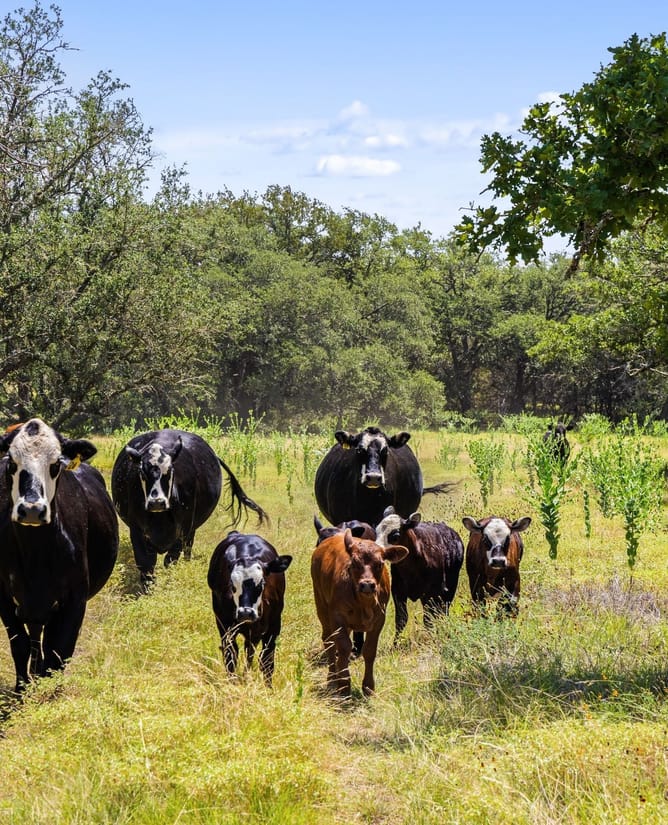
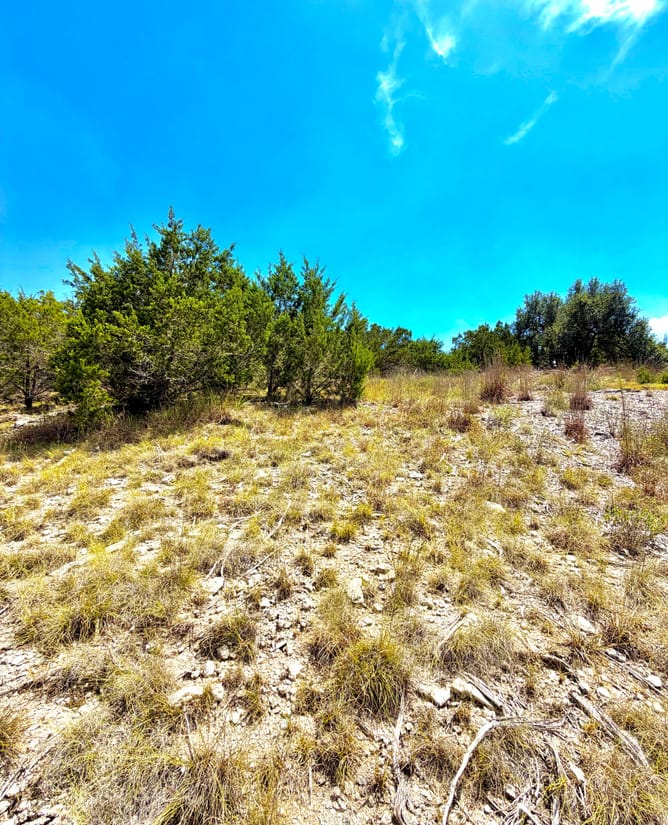
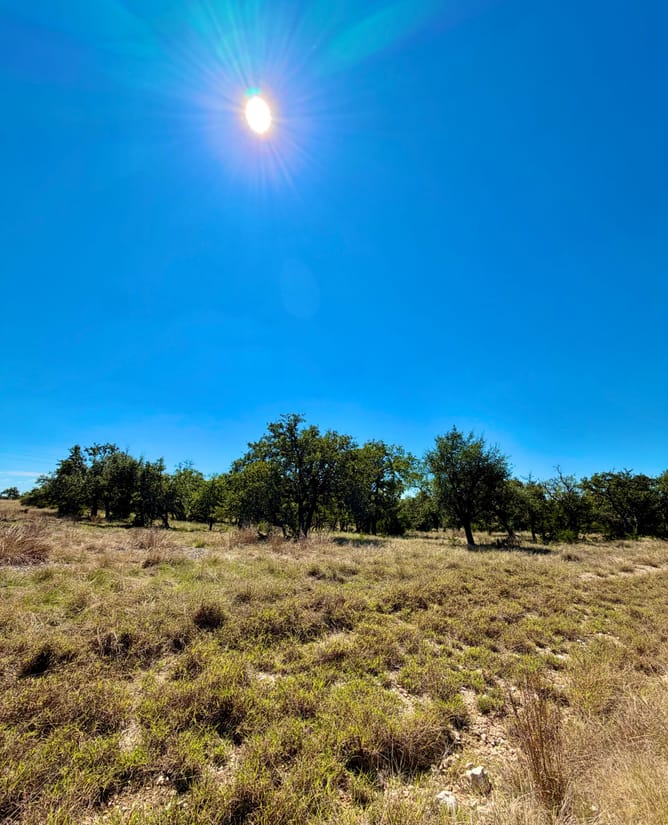
Grazing by cattle, sheep, goats, and wildlife is the main land use across the ecoregion. According to TPWD, shallow soils and rocky terrain limit crop farming mostly to alluvial valleys. As a result, most Hill Country land suits ranching, hunting, and recreation rather than row crops.
That mix works in your favor as an owner. Under the Texas Comptroller’s rules, raising or keeping livestock counts as agricultural use. Grazing can therefore support agricultural valuation on qualifying land. Many owners pair it with deer management and keep the place as a family retreat.
Wells, Soils, and Floodplain: What to Check
Hill Country geology shapes your due diligence. Before you buy, check each of these items with your agent.
- Groundwater rules. Local groundwater conservation districts can regulate wells. Inside the Edwards Aquifer Authority’s area, pumping falls under that authority’s rules.
- Well records. Ask for well depth, yield, and water quality records on any existing well.
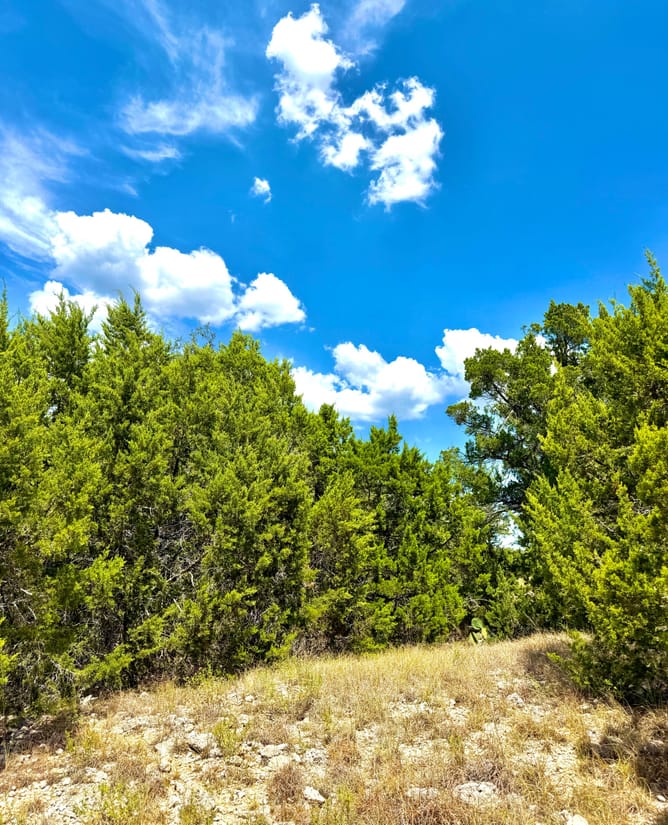
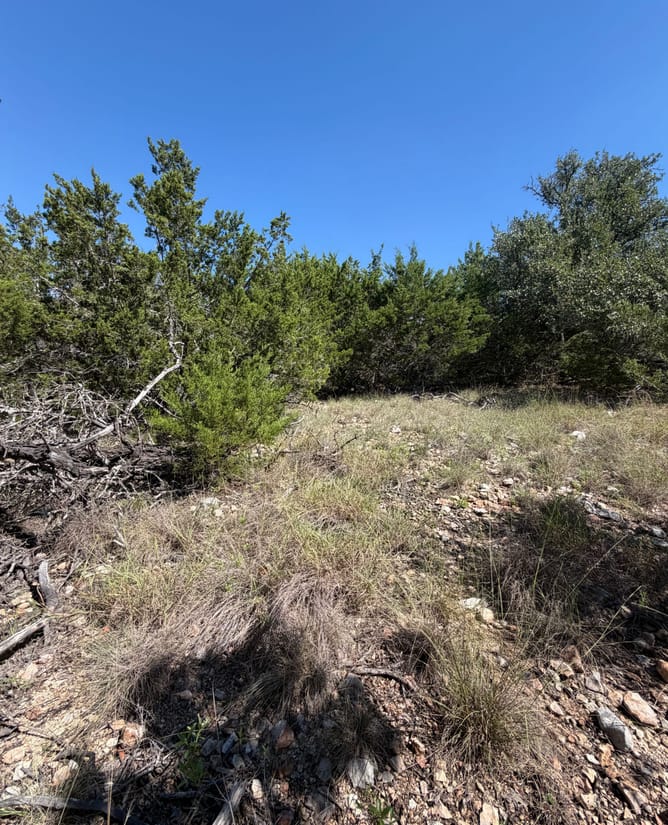
- Soils and septic. Shallow, rocky soils can affect septic design and the cost of a building site.
- Floodplain. For any tract along a creek or river, review the flood maps and confirm building sites sit well above the floodplain.
- Access. Confirm legal access, and note any low-water crossings on the route in.
Browse the Hill Country land for sale above. For working and recreational ranches, see our Hill Country ranches. If live water is your priority, start with our riverfront property. When you find a place that fits, contact our team to walk it with a local agent.
