
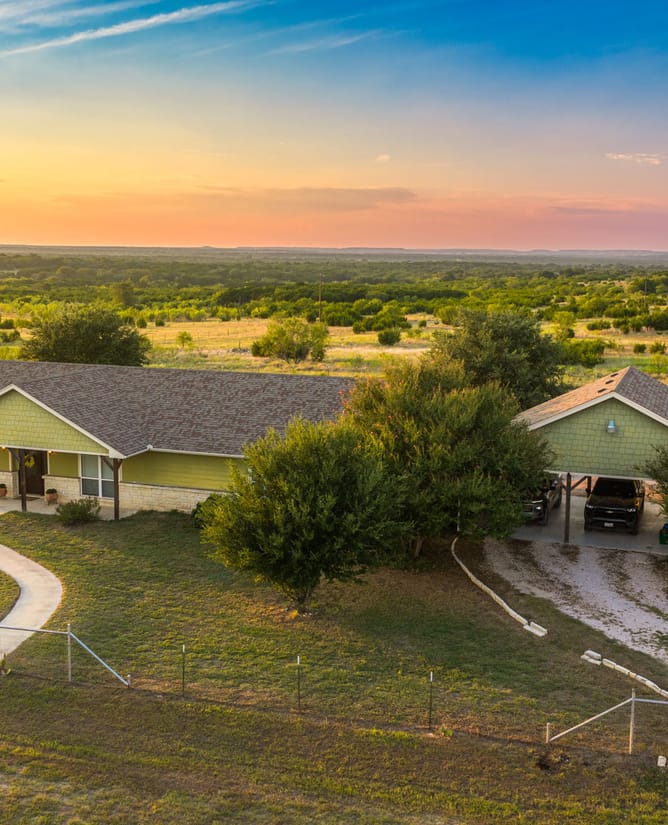
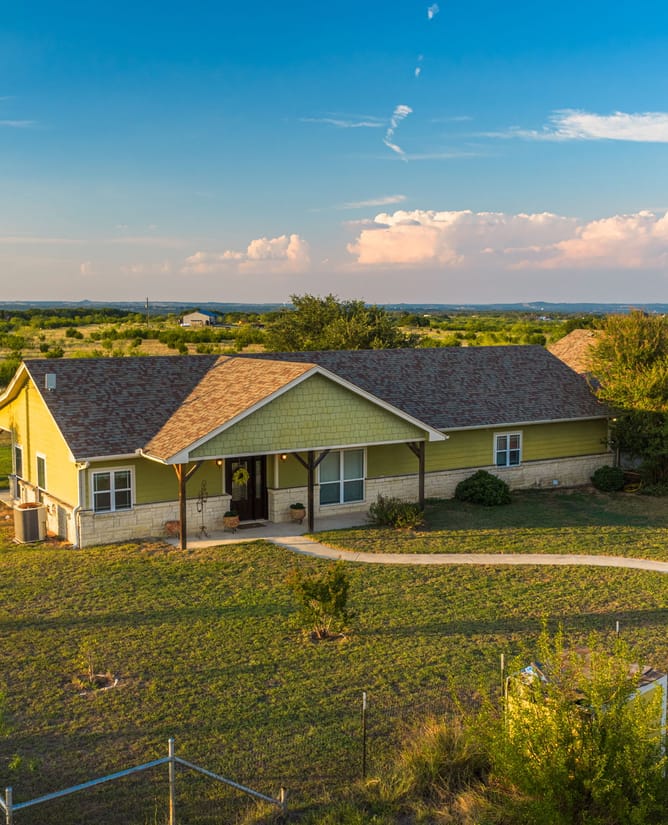
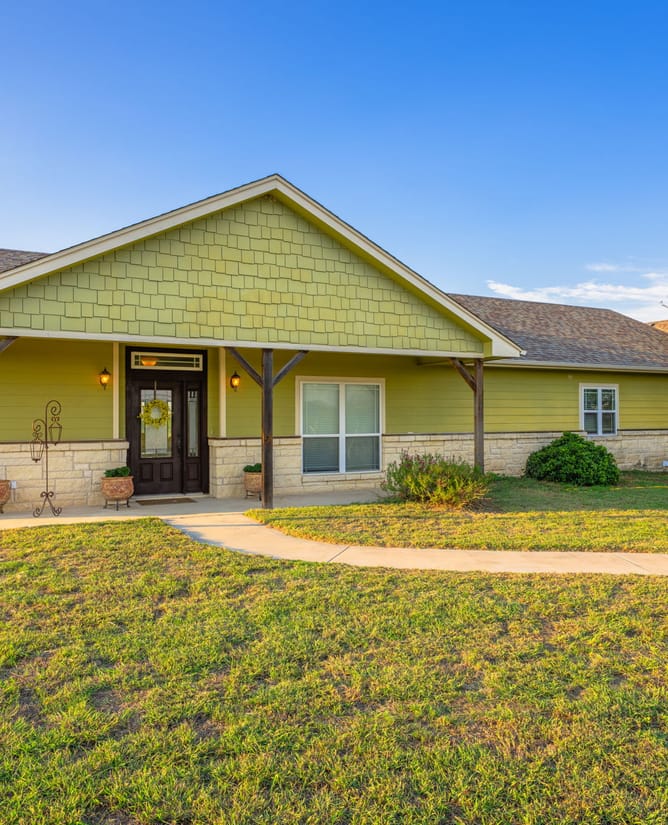

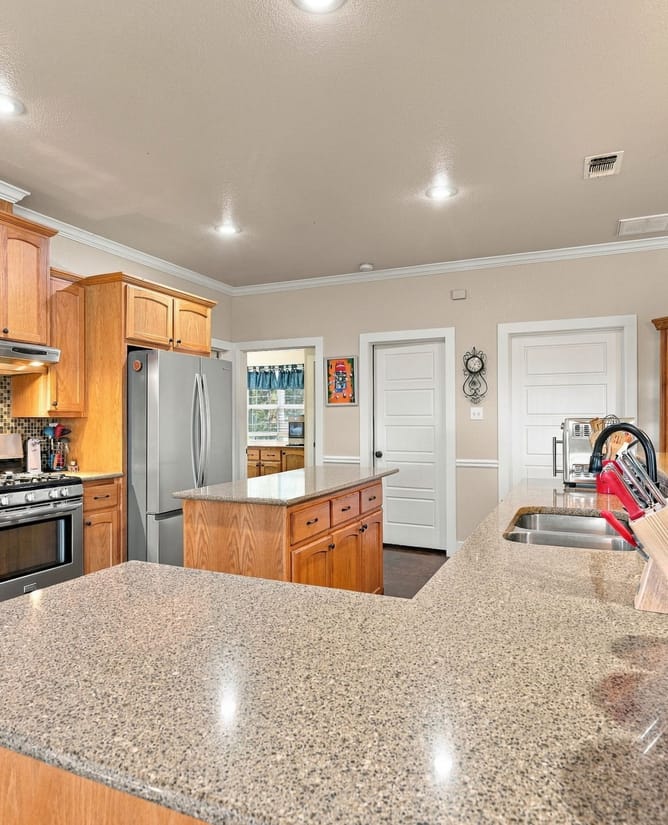
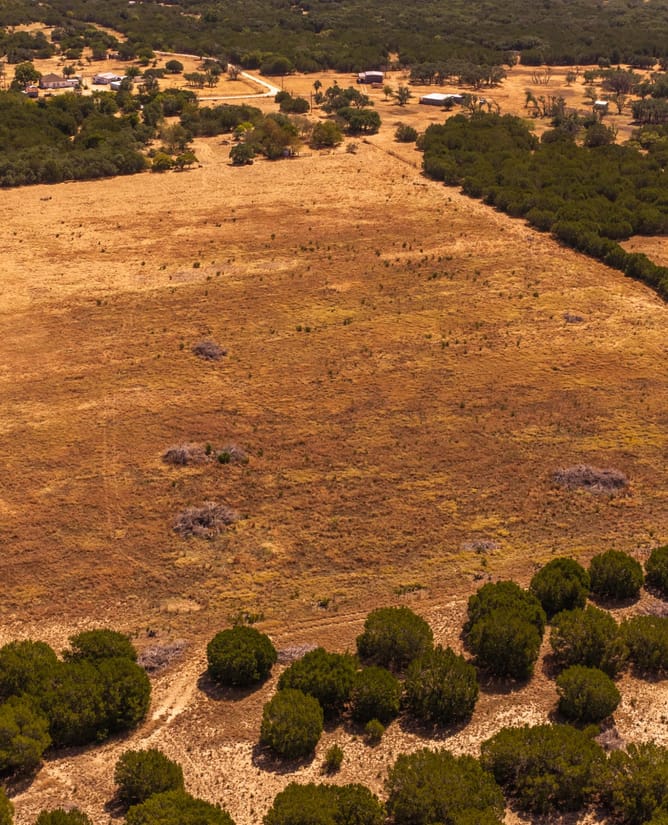
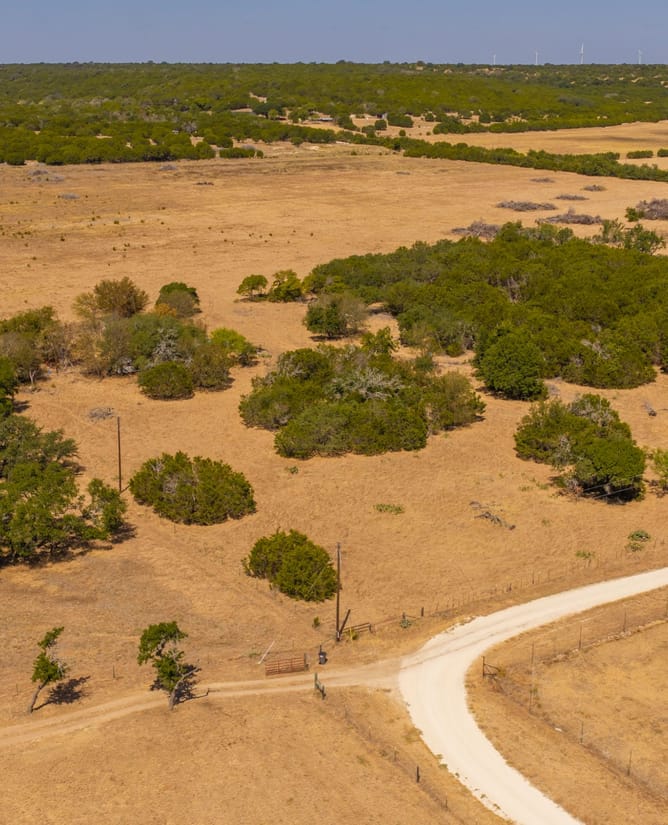
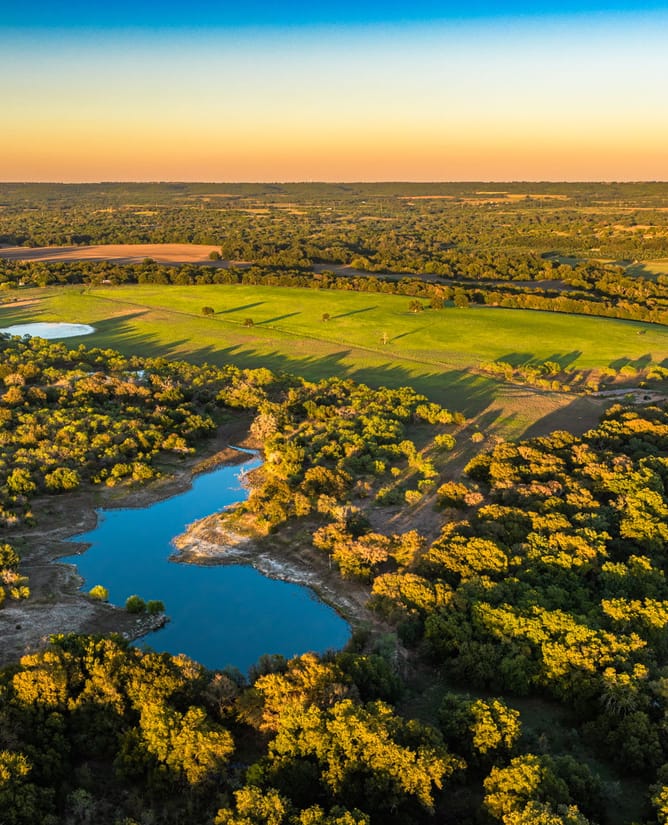
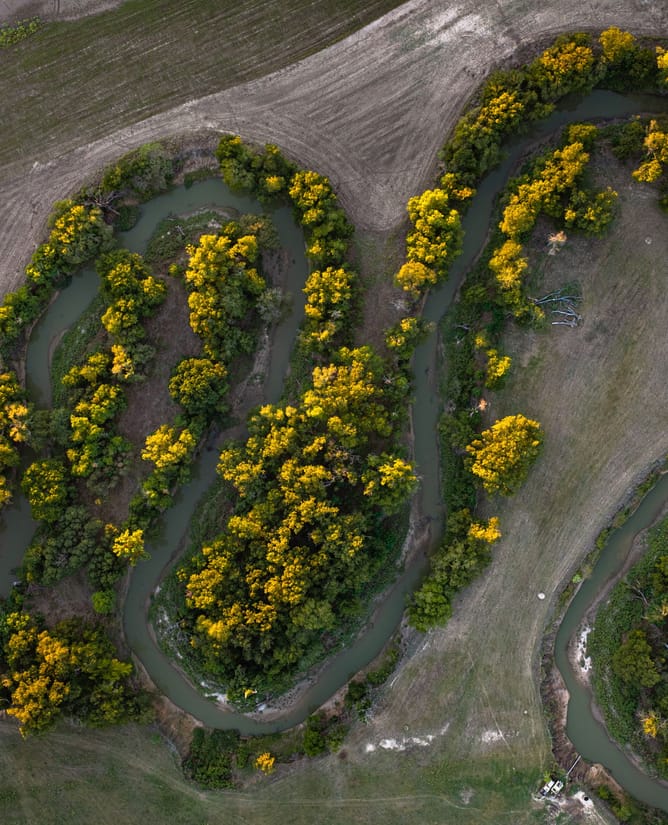
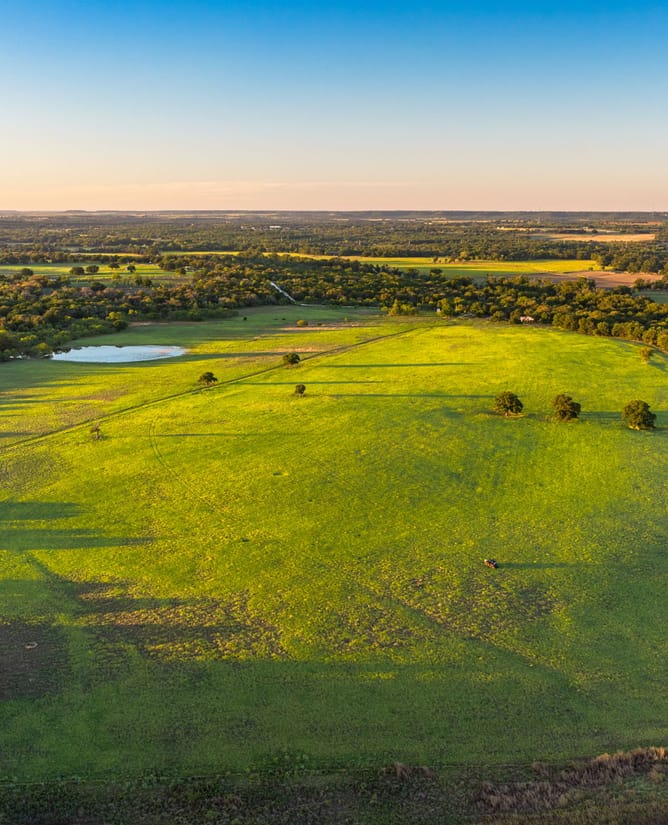
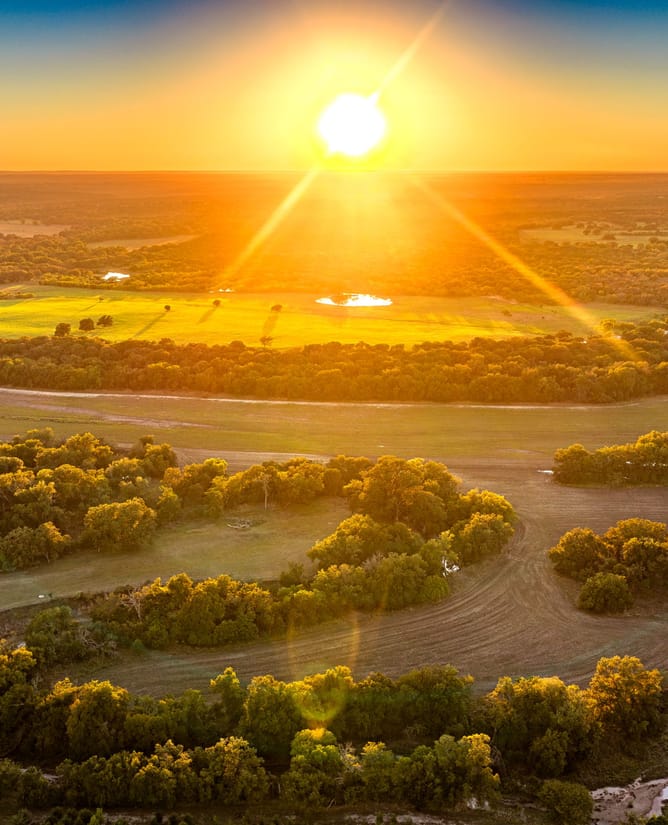
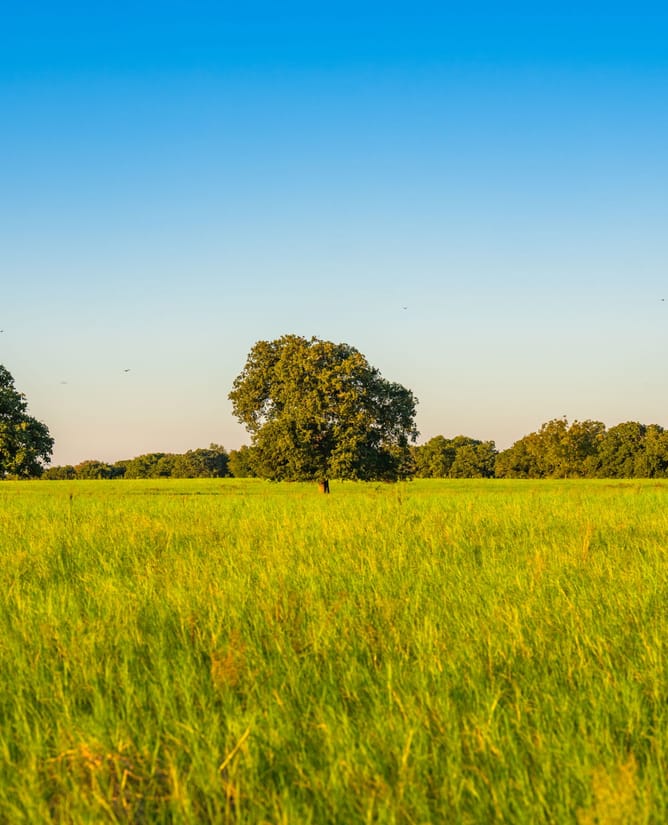
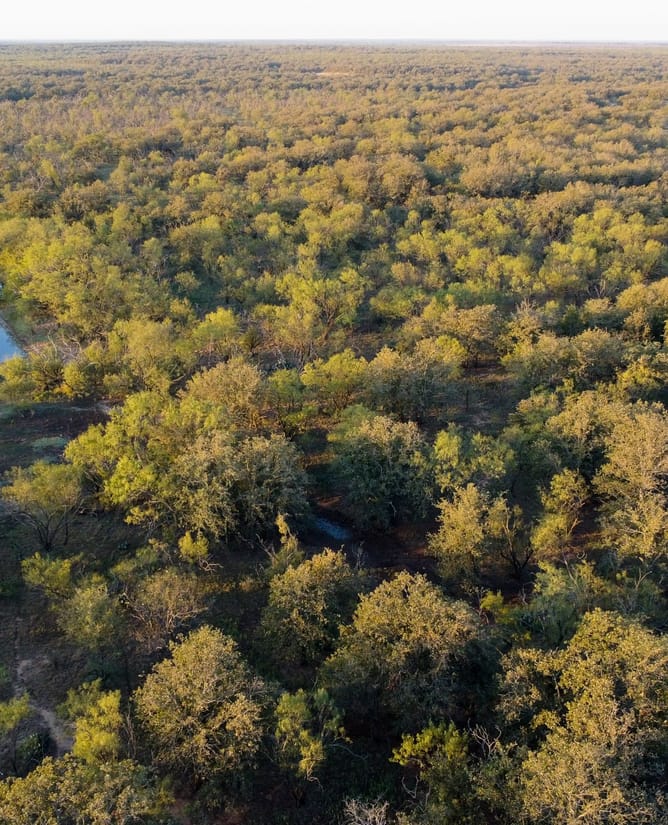
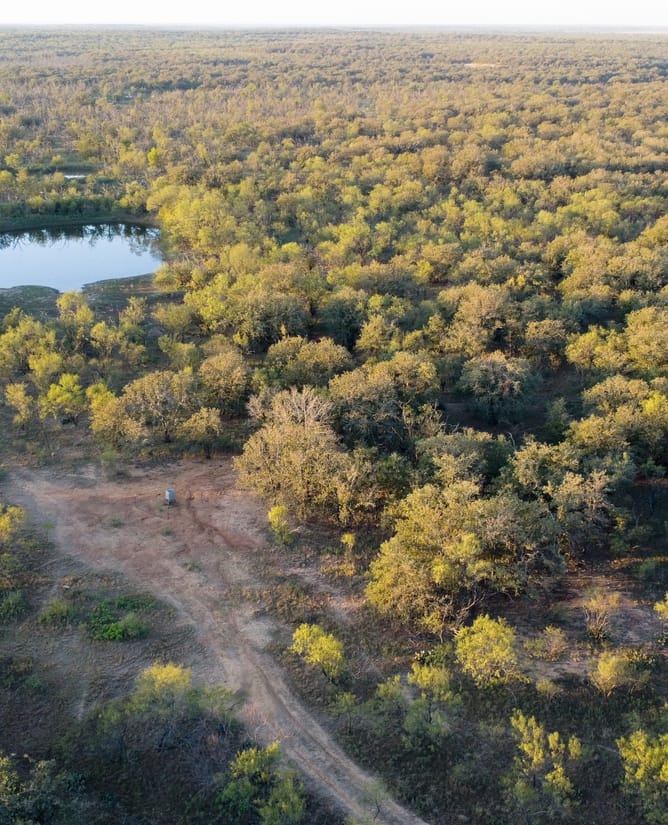
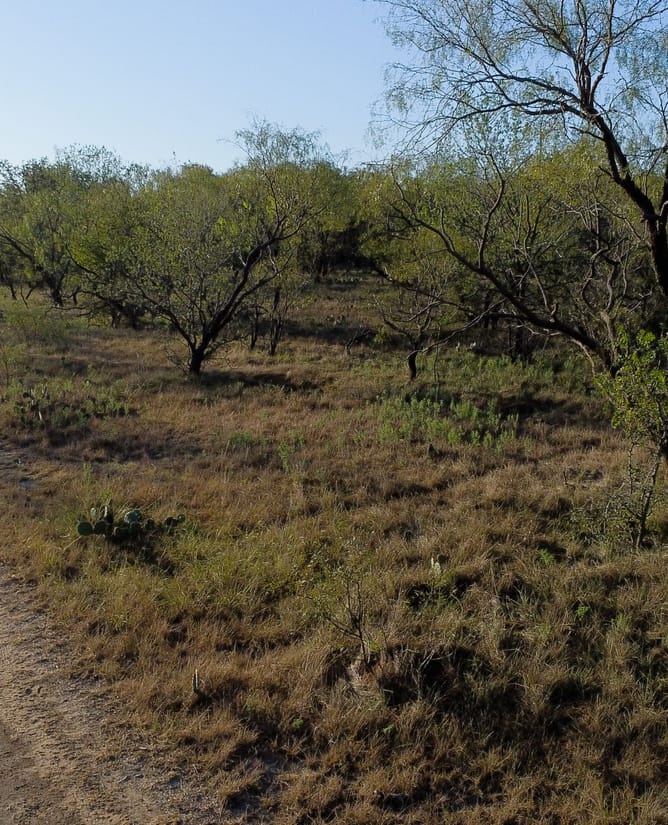


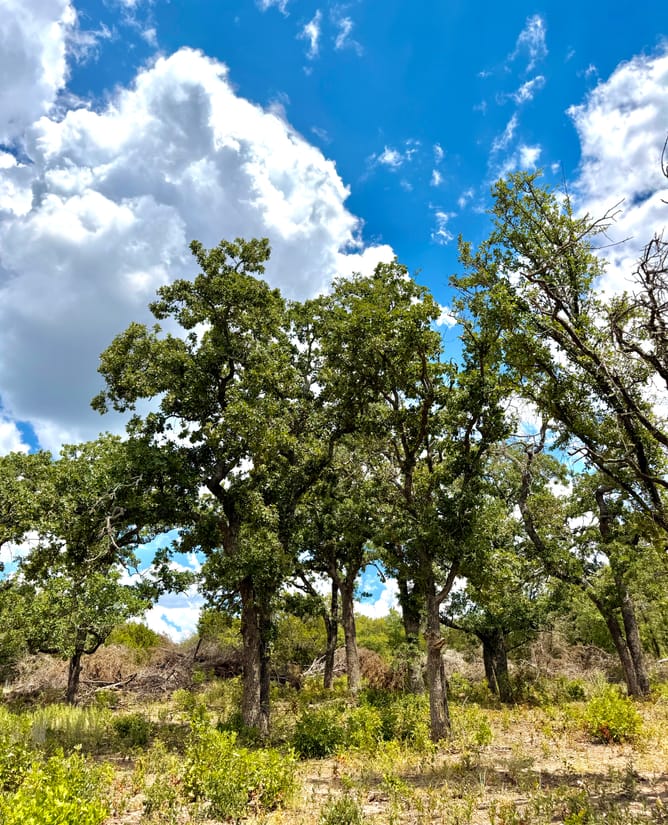




Hunting Land for Sale in Texas, Where Private Ground Means Access
Texas is a private lands state. Texas Parks and Wildlife reports that over 93 percent of the state is privately owned. When you own the ground, you decide who hunts, when they hunt, and how the habitat is managed. That control is the main reason buyers look for hunting land of their own.
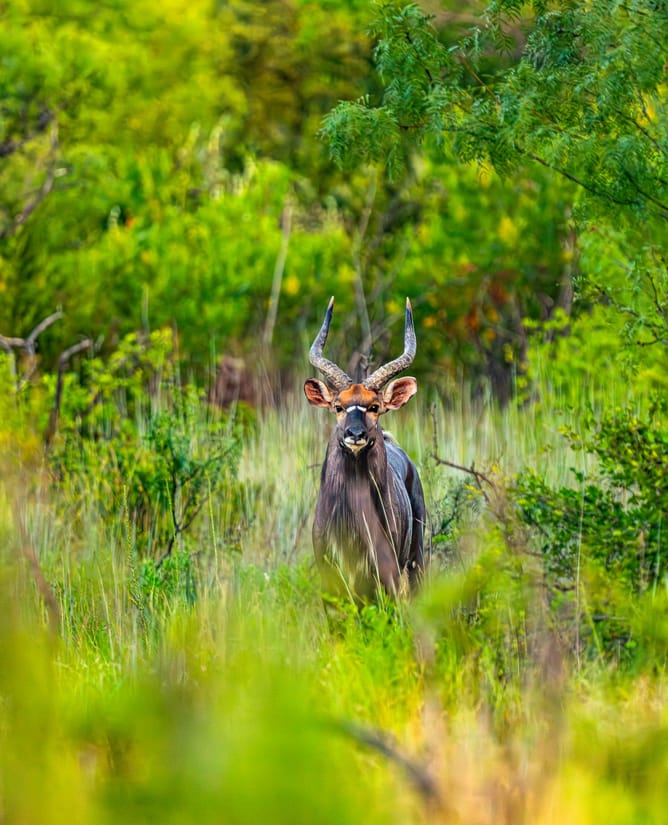
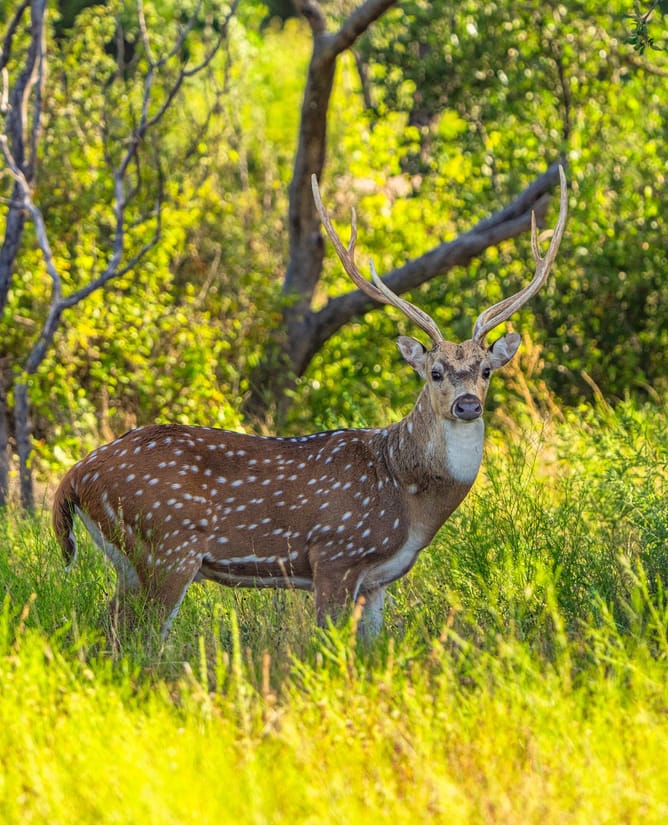
Deer drive most of that demand. According to TPWD, Texas leads the nation in deer hunters, annual harvest, and deer population. That depth gives you options in almost every part of the state. TPWD also notes that the quality and quantity of native habitat greatly influence the deer you will see. In other words, habitat decides how a tract hunts as much as location does.
Where Texas Deer Numbers Run Highest
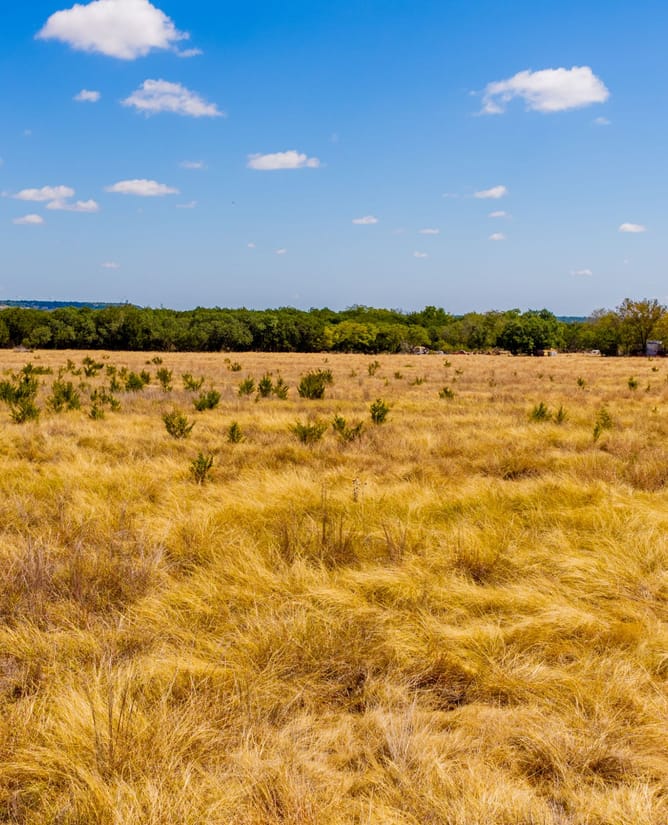
Deer numbers vary sharply by region. TPWD reports that the Edwards Plateau, commonly called the Hill Country, holds the highest deer population and density in the state. The Cross Timbers in North Texas ranks second in deer population. For a buyer who wants to see a lot of deer, those two regions deserve a close look.
Antler size follows a different map. TPWD notes that South Texas brush country and the Western Rolling Plains typically produce more large-antlered bucks. South Texas is also known for mature bucks and above-average antler quality. If a trophy buck is your goal, those regions usually lead the search.
Managing Your Own Herd and Habitat
Owning land lets you manage deer on your own terms. Through the Managed Lands Deer Program, TPWD gives enrolled landowners extended season lengths and liberalized harvest. The Harvest Option is a self-service path that does not require habitat practices. The Conservation Option pairs you with a TPWD biologist for ranch-specific habitat and harvest recommendations.
Wildlife management can also support your tax picture. Land that already qualifies for agricultural valuation can shift to wildlife management use. The Texas Comptroller requires that land to be used in at least three of seven specific wildlife management ways. Season dates and bag limits change each year, so check TPWD for current rules.
What Makes a Tract Hunt Well
Two tracts of the same size can hunt very differently. When you tour hunting land, look closely at each of these factors.
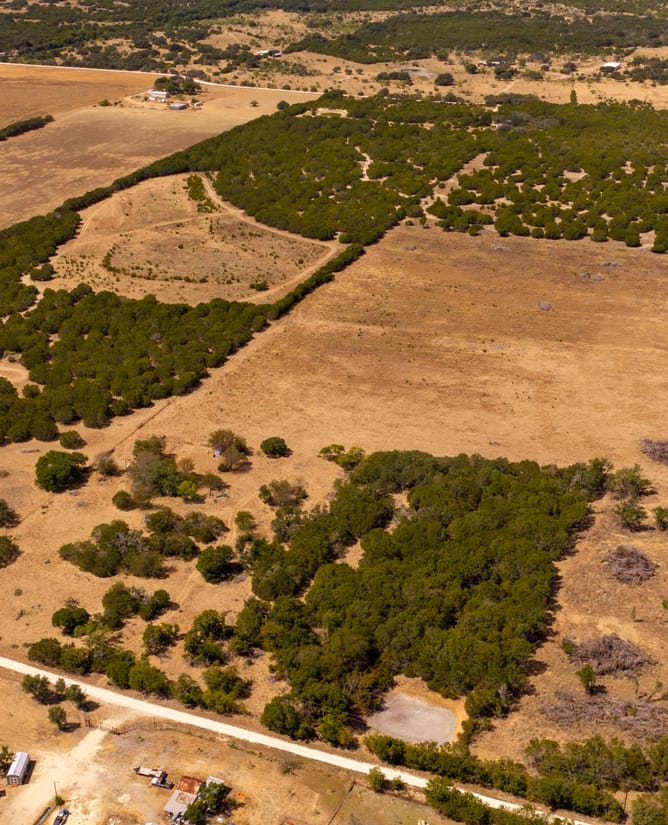
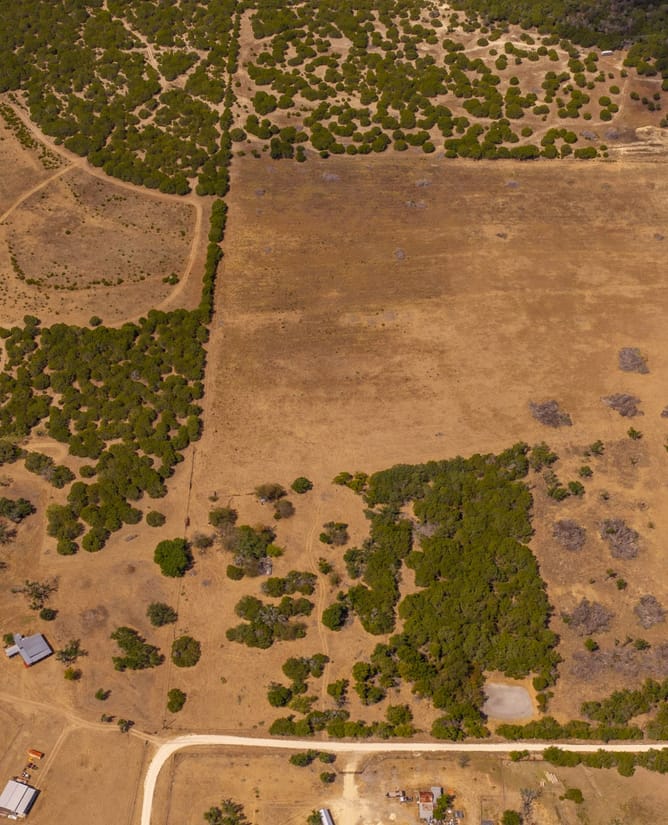
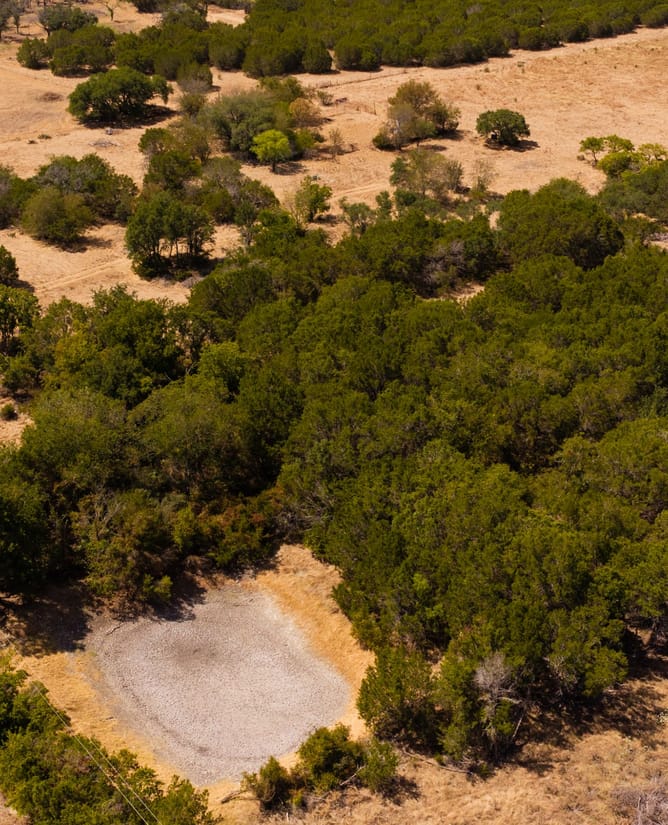
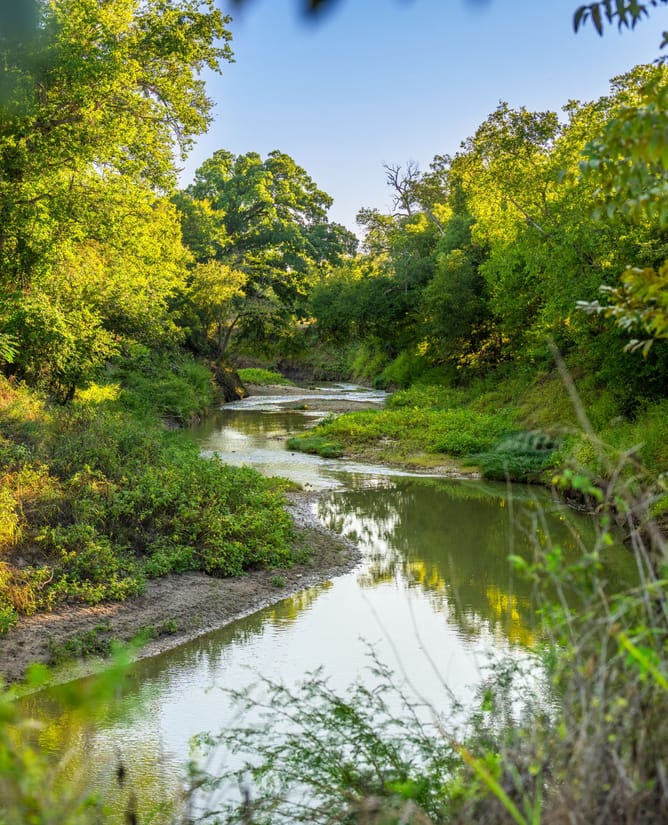
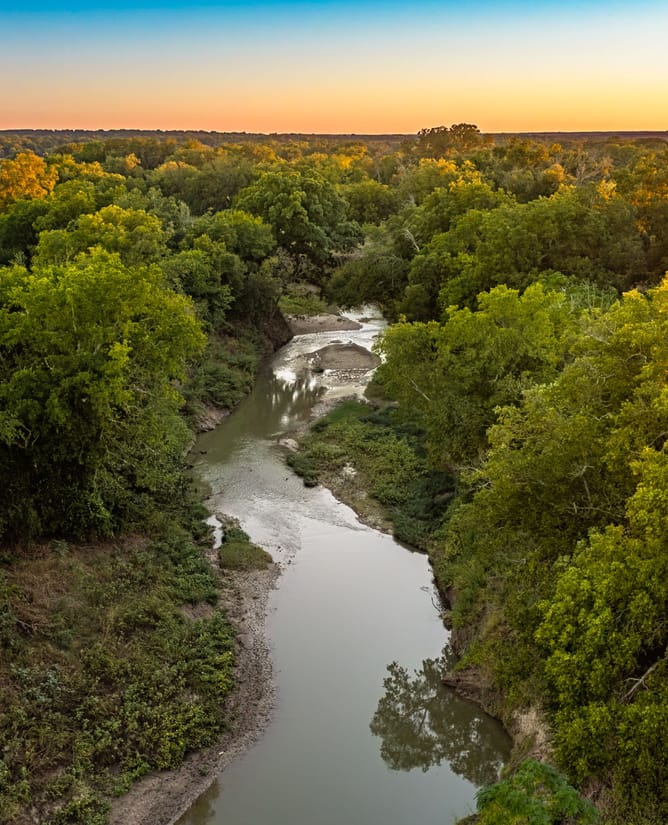
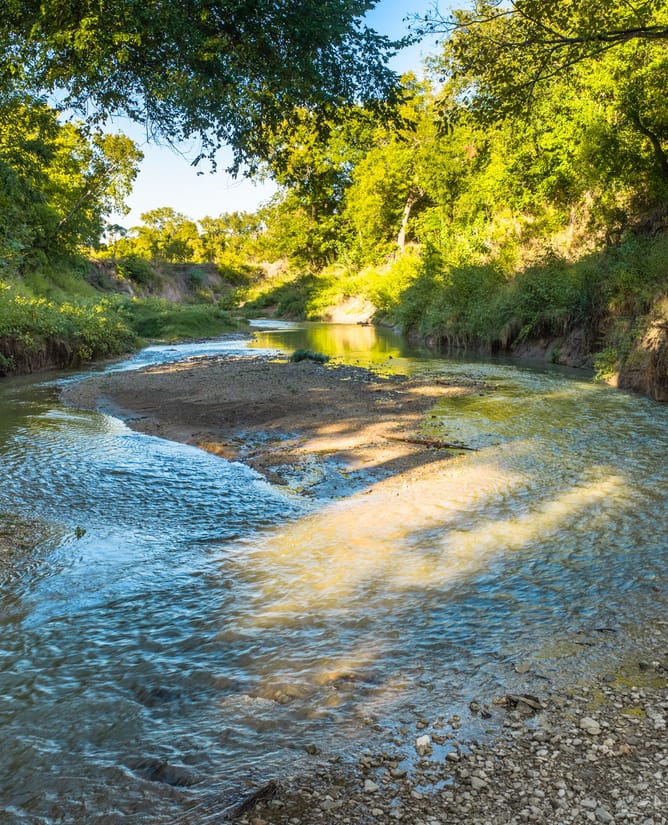
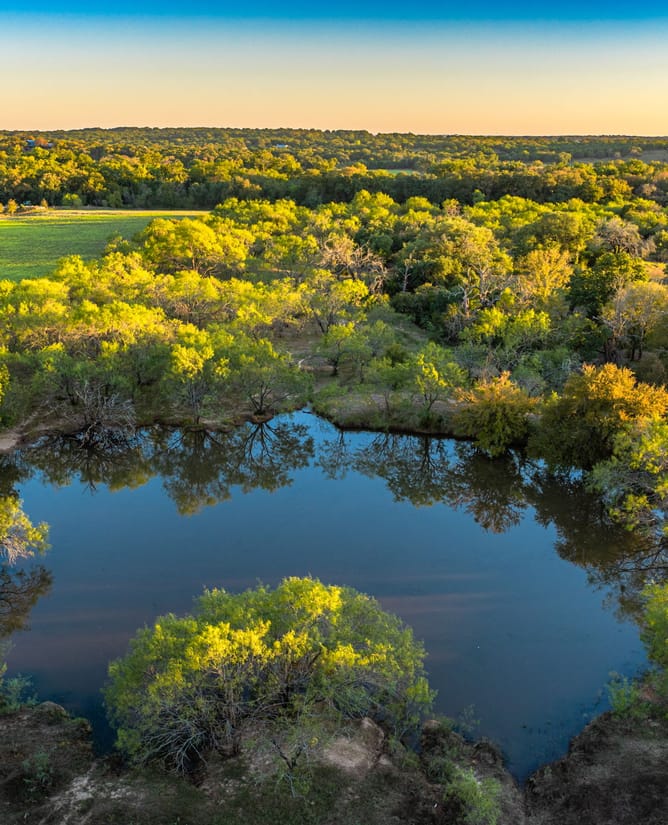
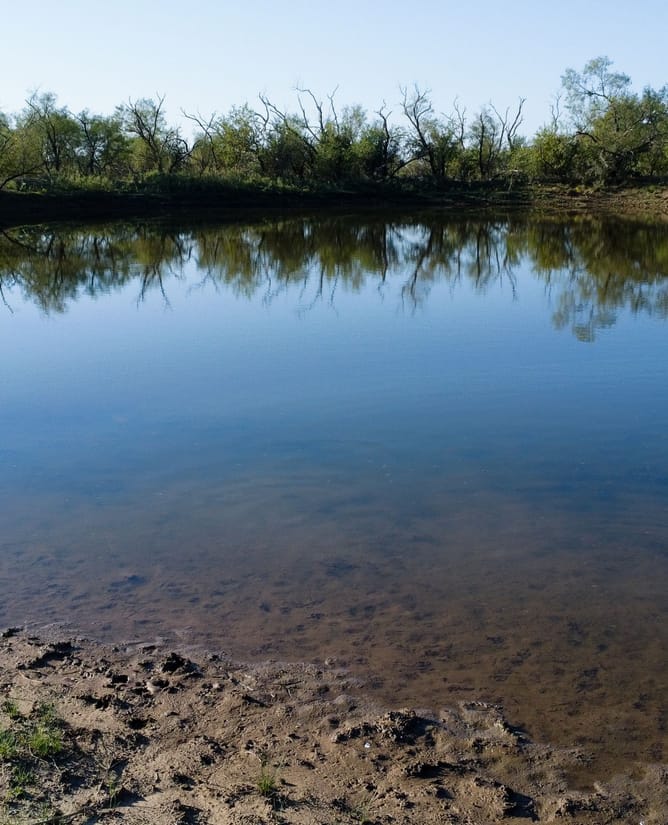
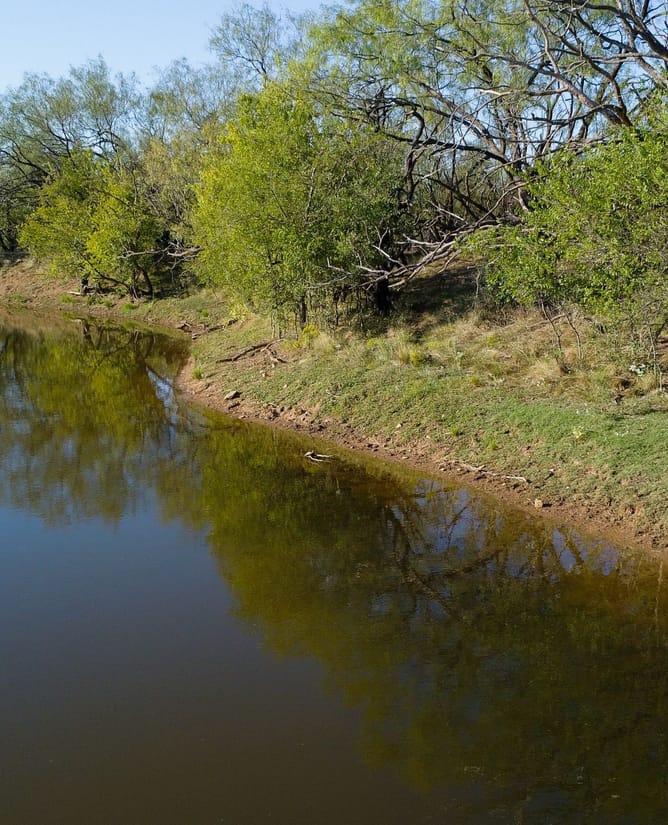
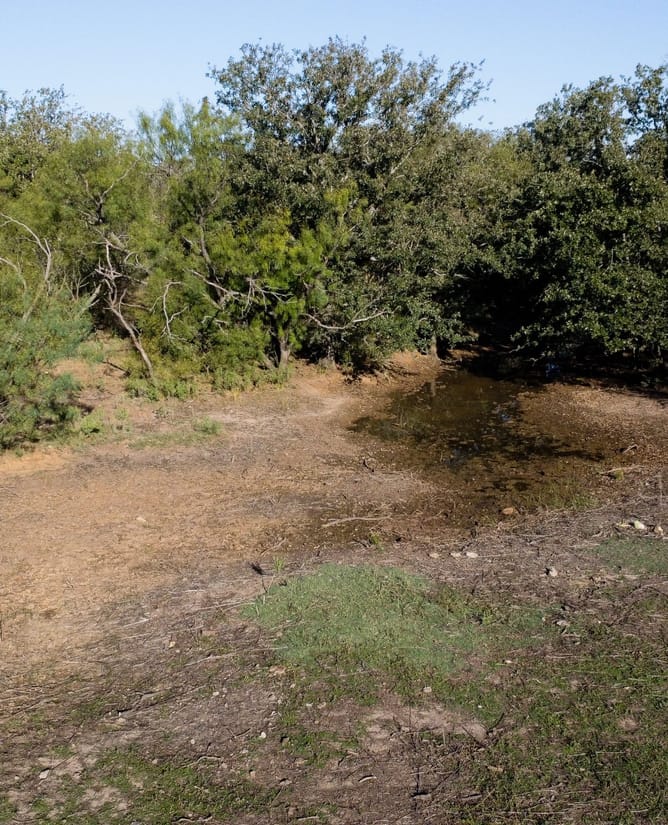
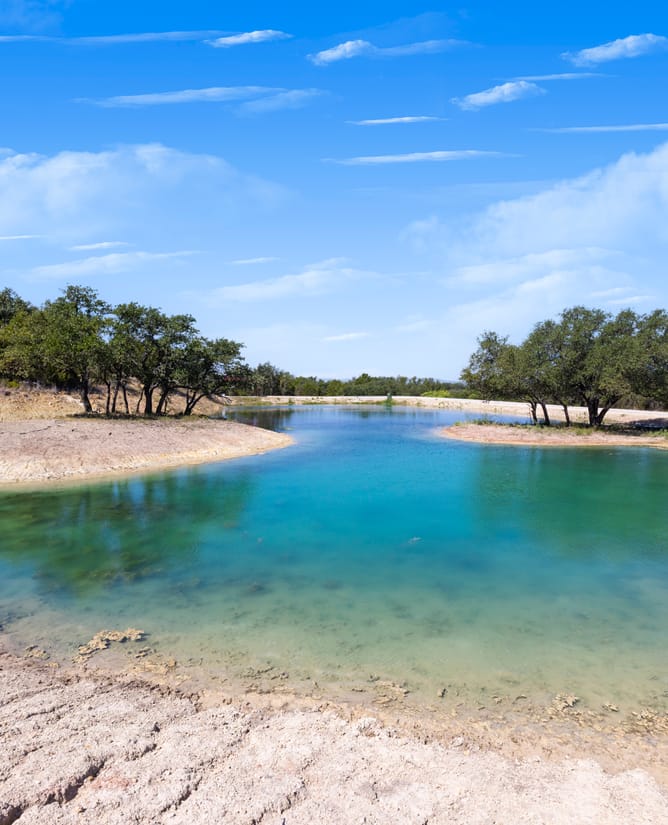
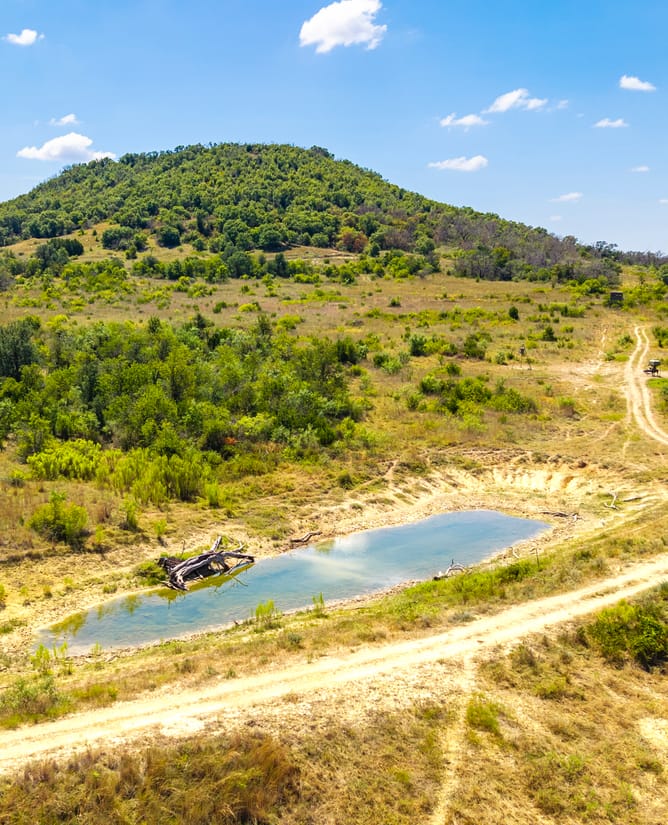
- Water. Water includes stock tanks, creeks, and springs. Reliable water helps hold deer and birds through dry spells.
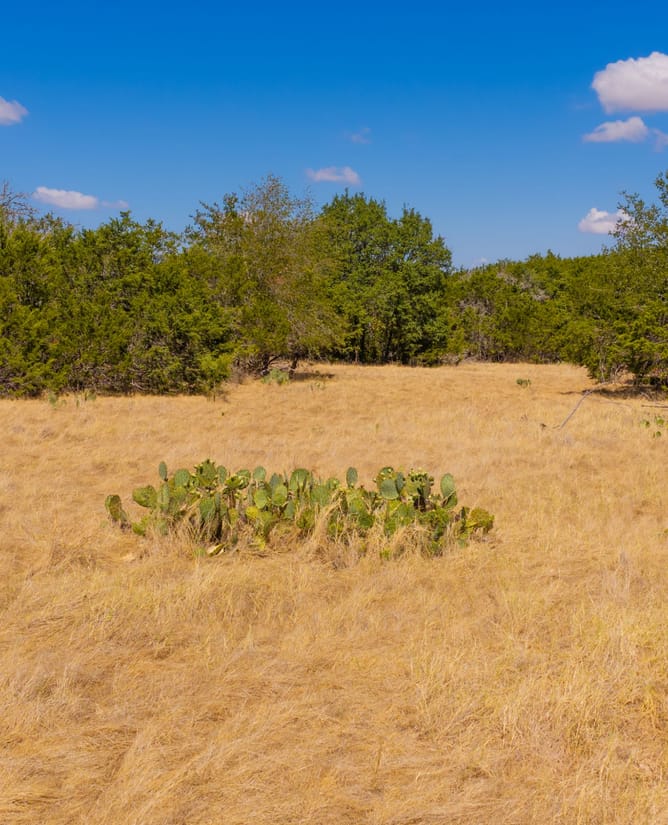
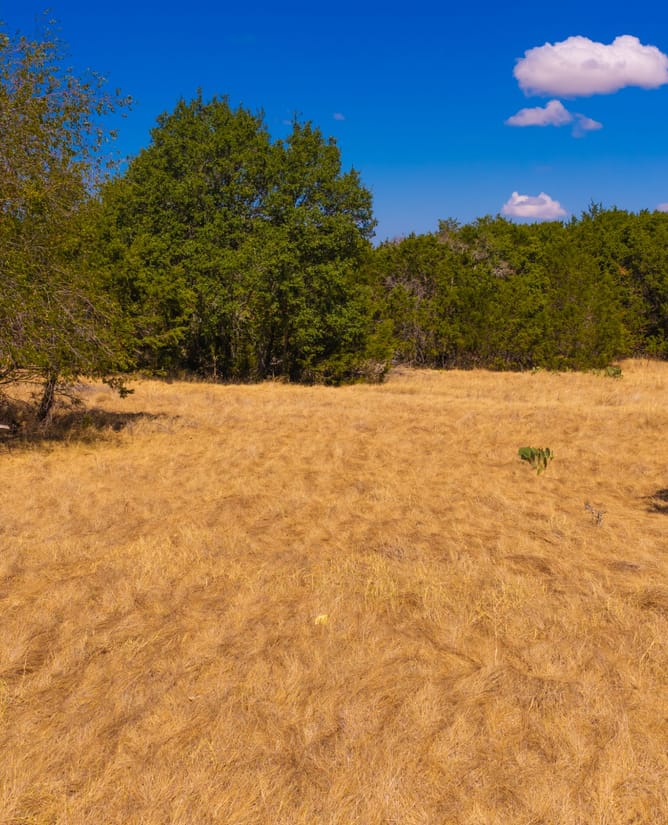
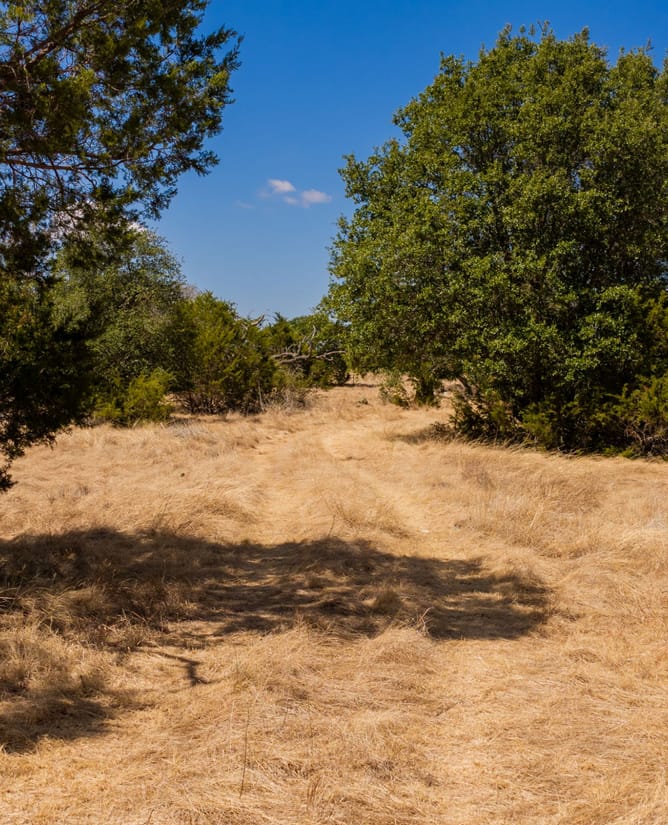
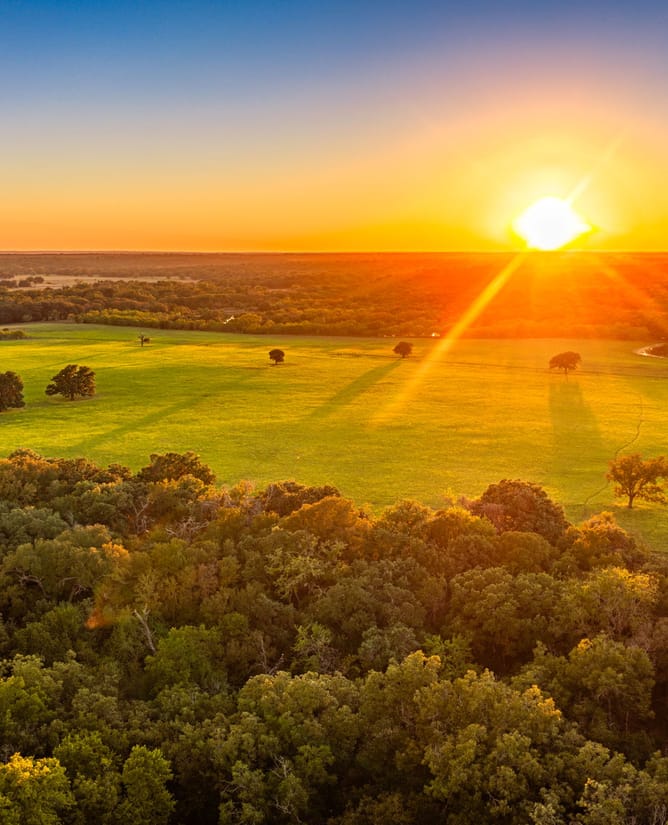
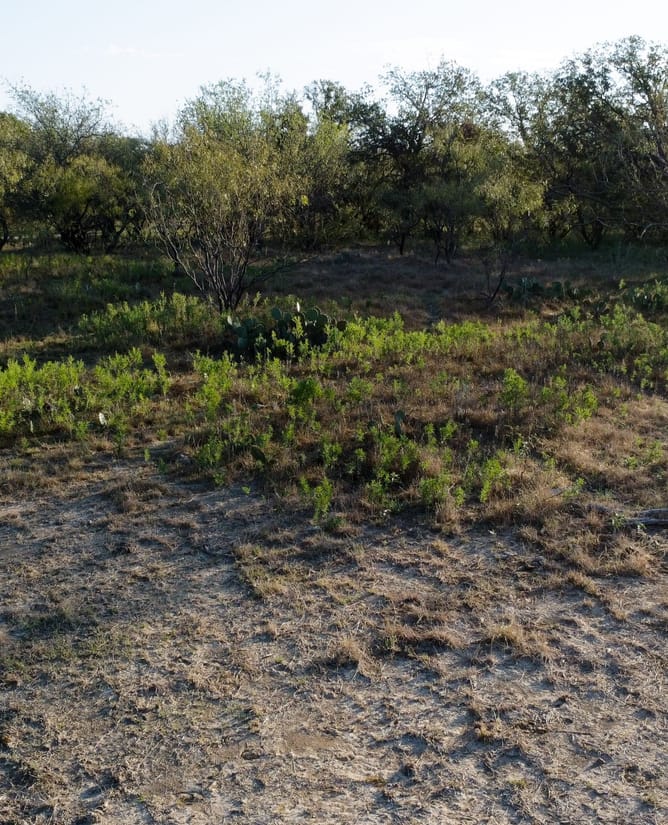
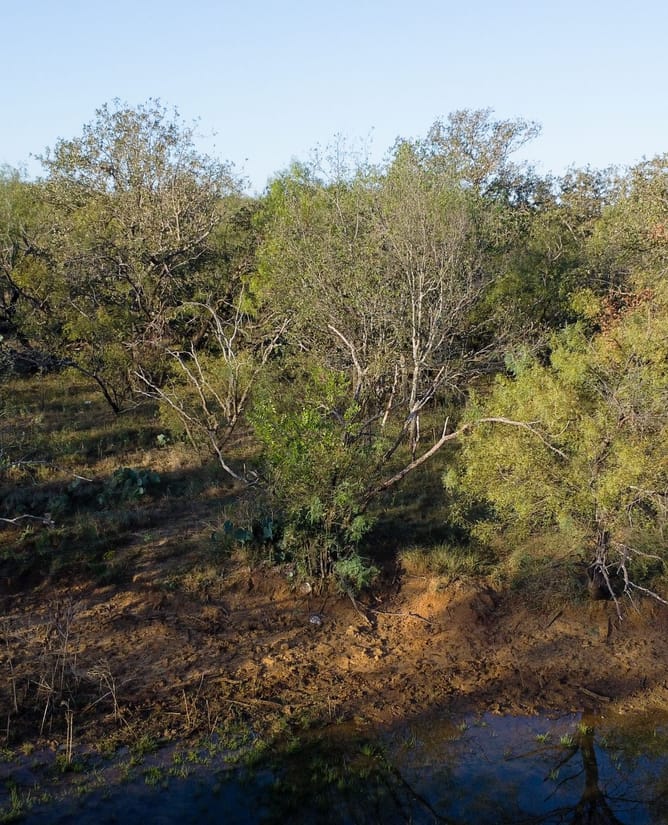
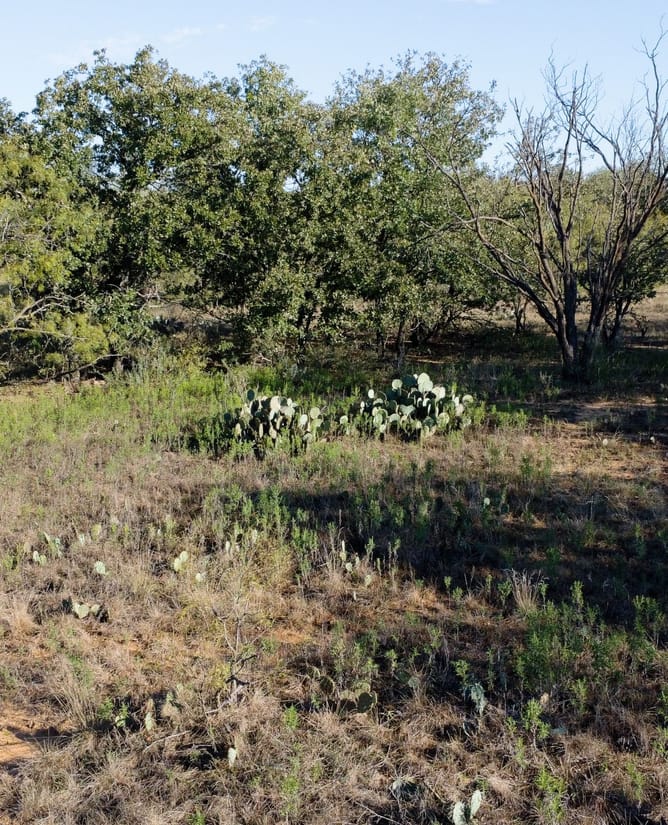
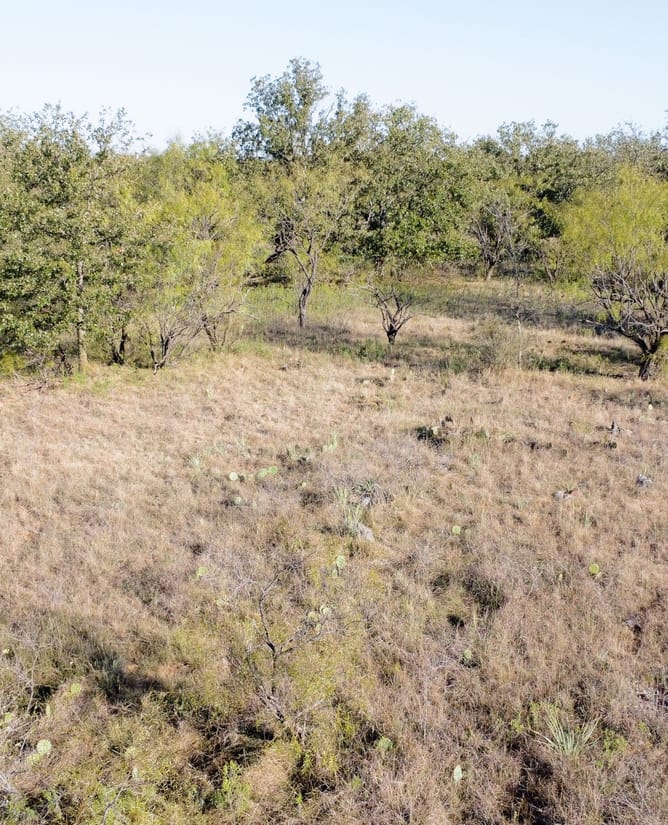
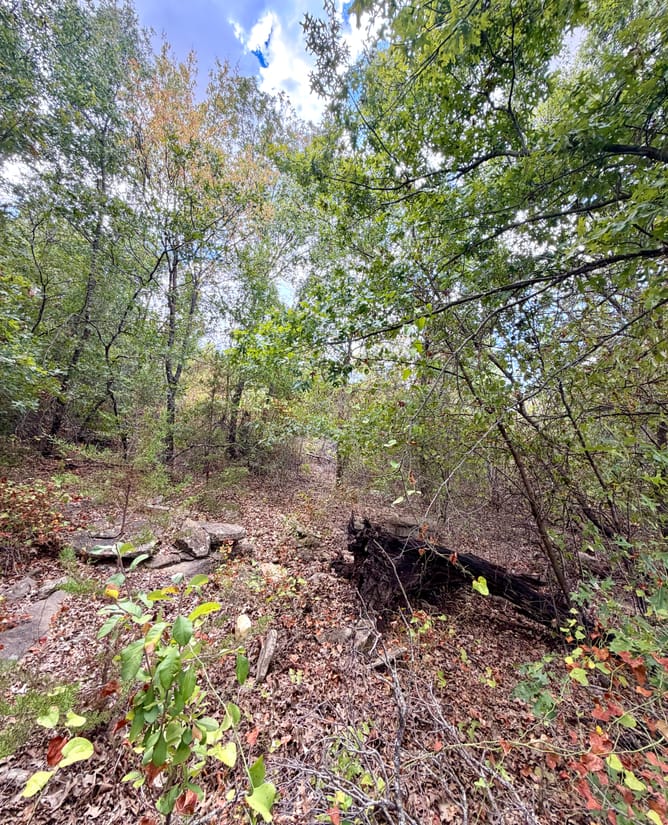
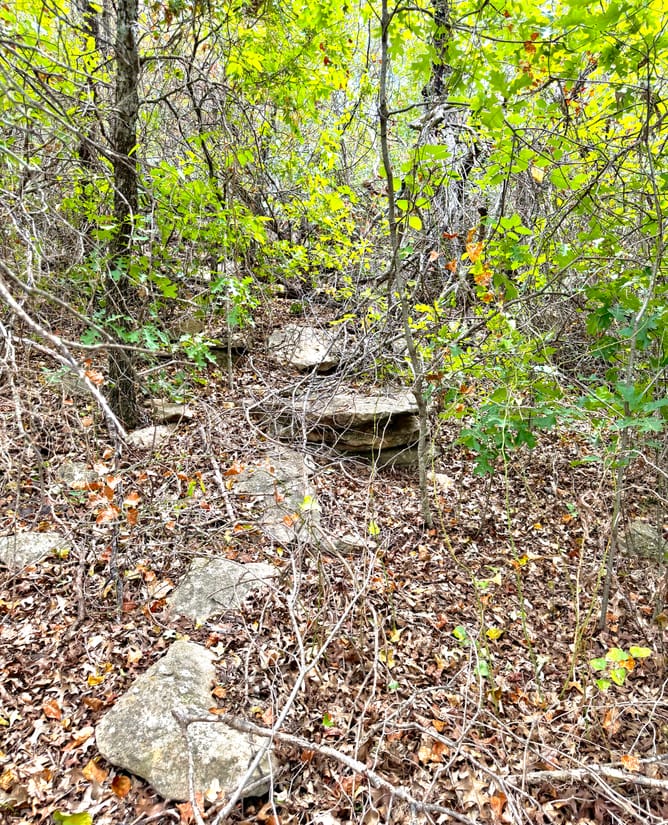
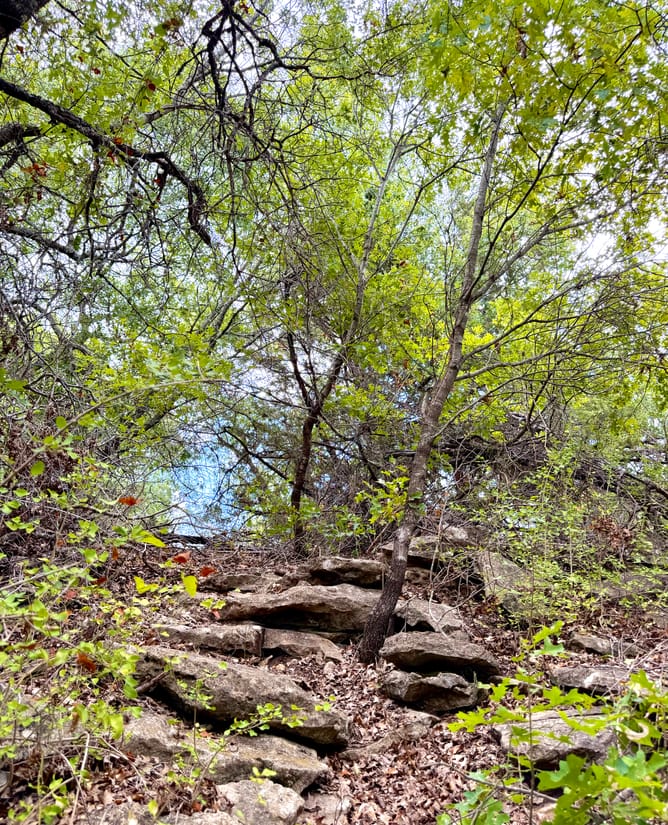
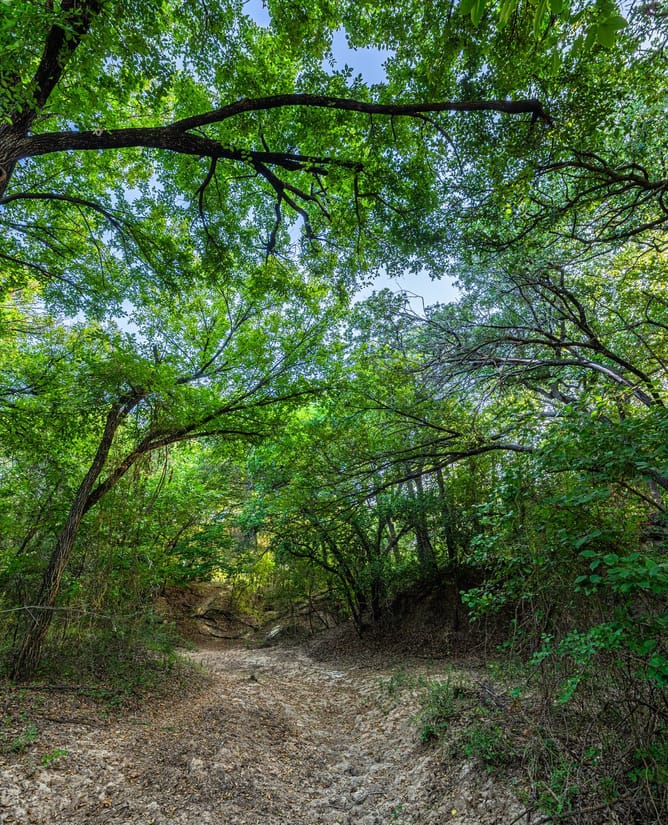
- Cover. Brush, timber, and draws give deer places to bed and travel.
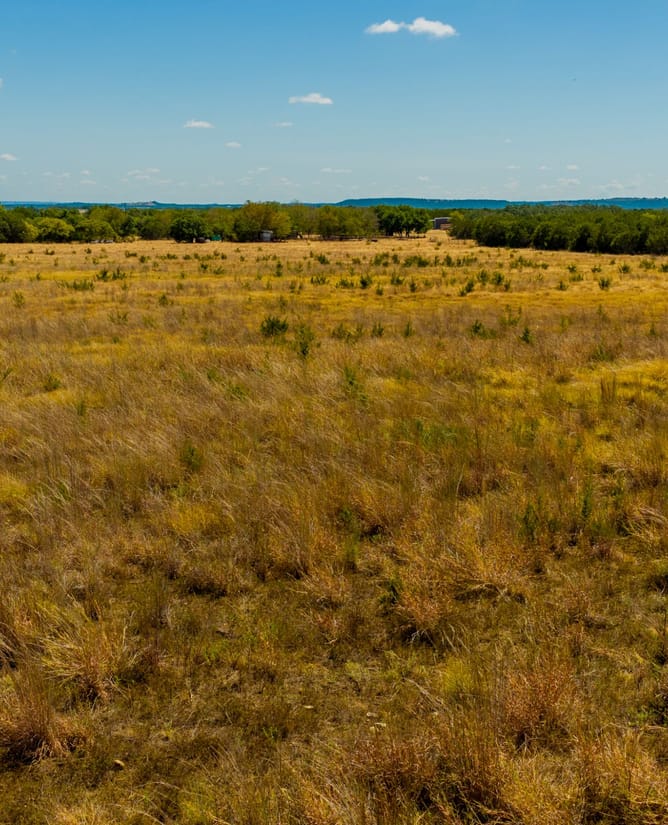
- Food. Native browse and forbs support body condition, and many owners add food plots.
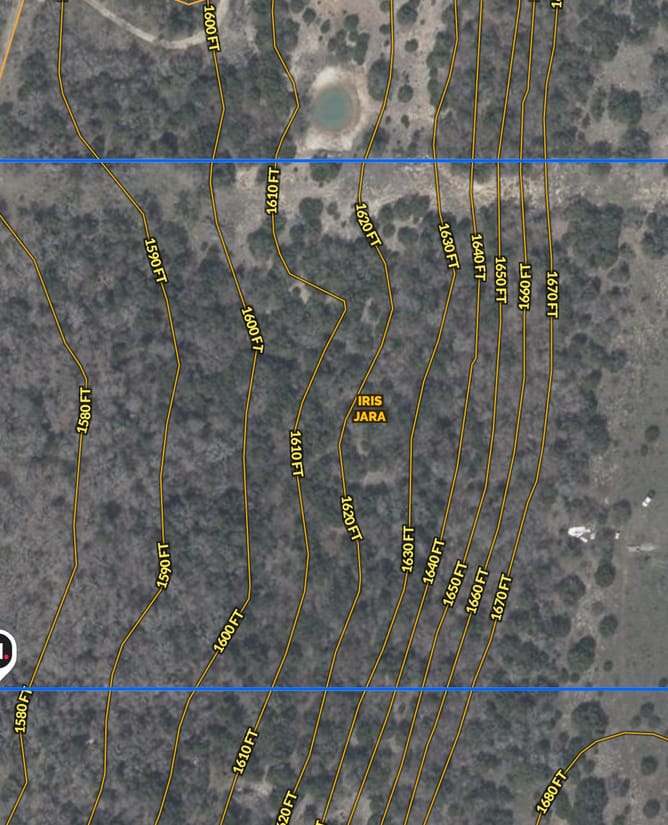
- Access. Check legal road access and the interior roads that reach stands and blinds.
- Neighbors. Ask how adjoining owners manage and hunt their deer, since their choices affect what crosses your fence.
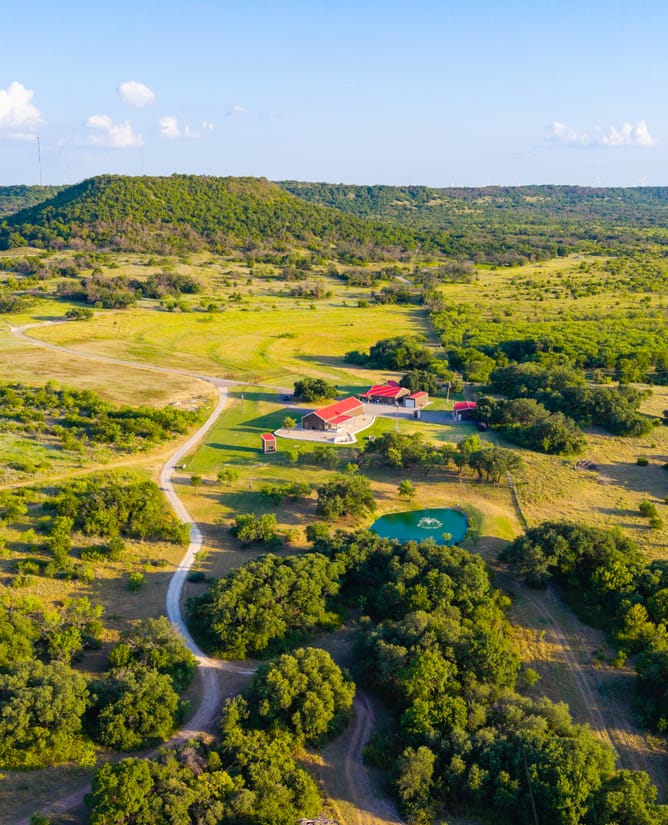
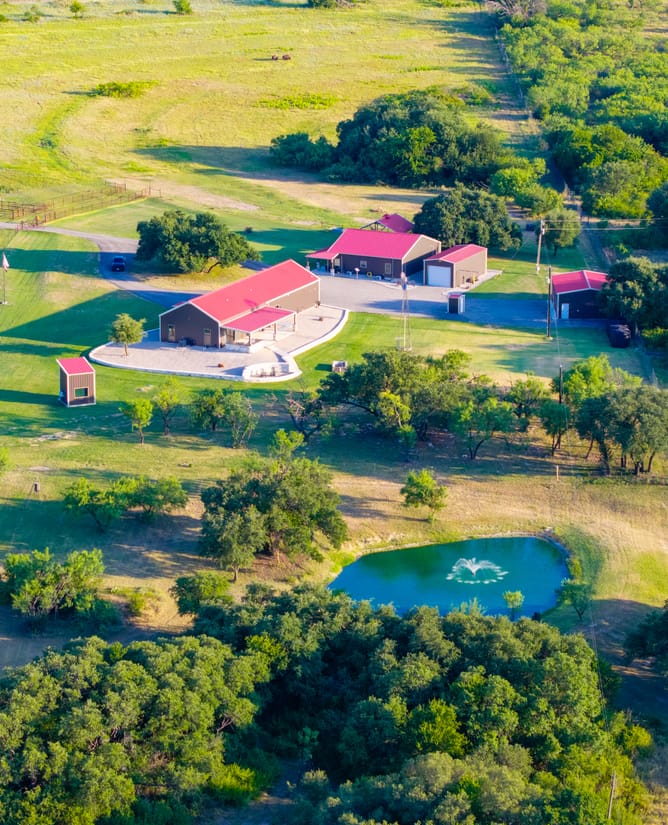
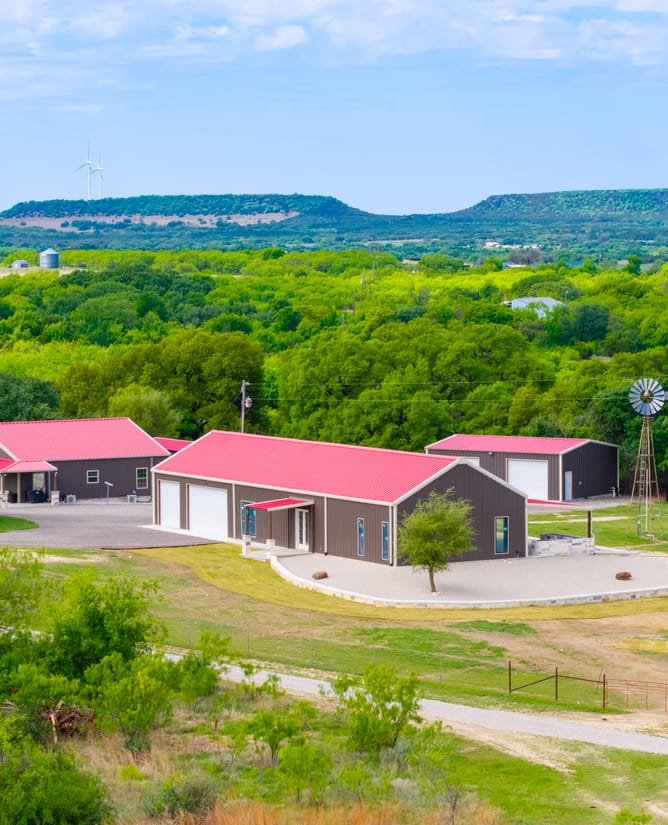
Browse the hunting land for sale in Texas above. If you want a property built for deer management, look at our high fence ranches. Waterfowl hunters can start with our duck hunting land. When you are ready to tour a property, contact our team.
